

In a recent development of significant geopolitical importance, Russian President Vladimir Putin delved into discussions regarding the BRICS currency and a potential alternative to the global financial messaging network SWIFT. This pivotal discourse sheds light on the evolving landscape of international finance and reflects Russia’s strategic maneuvering within the BRICS alliance. Join us as we explore the implications of Putin’s deliberations on the world stage.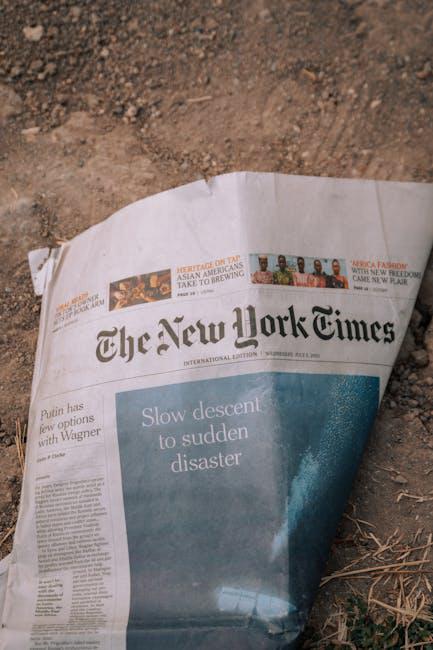
Putins Remarks on BRICS Currency Cooperation
Russian President Vladimir Putin highlighted the importance of currency cooperation within the BRICS alliance during a recent summit. The collaboration aims to strengthen economic ties among member countries, which include Brazil, Russia, India, China, and South Africa. Putin emphasized the potential benefits of enhancing financial interactions and reducing dependency on traditional Western currencies.
The discussions centered on establishing mechanisms to facilitate trade and investment in local currencies, promoting financial stability and resilience within the BRICS nations. By diversifying currency exchanges and reducing reliance on external currencies, the alliance seeks to bolster its economic autonomy and shield member countries from external financial vulnerabilities. The move signifies a strategic shift towards greater self-reliance and economic sovereignty among BRICS members.
Leaders reaffirmed their commitment to fostering closer financial integration and exploring innovative solutions to enhance cooperation in trade and investment. The focus on currency cooperation reflects a shared vision among BRICS nations to create a more sustainable and resilient financial ecosystem. By promoting intra-BRICS transactions in local currencies, the alliance aims to fortify its economic foundations and reinforce its position in the global financial landscape.
The Implications of Putins Discussion on Swift Alternative
Russian President Vladimir Putin’s recent discussions on creating an alternative to the SWIFT international payment system have sparked significant interest and speculation within the global financial community. This move could have far-reaching implications for the financial landscape, potentially reshaping how international transactions are conducted and altering the dynamics of global economic relations.
The potential development of a SWIFT alternative by Russia has raised concerns among Western nations and financial institutions. The SWIFT system, which stands for the Society for Worldwide Interbank Financial Telecommunication, is currently the dominant network for facilitating cross-border financial transactions. Any alternative system proposed by Russia could challenge the current status quo and introduce a new era of financial infrastructure.
Moreover, the exploration of a SWIFT alternative by Russia aligns with its broader geopolitical strategy to reduce dependence on Western financial mechanisms. By creating a separate payment system, Russia aims to strengthen its financial sovereignty and insulate itself from potential sanctions imposed by Western countries. This move underscores Russia’s efforts to assert its economic independence and assert its influence on the global stage.
Analyzing Putins Vision for Financial Independence
Putin’s vision for financial independence involves strategic planning and initiatives to strengthen Russia’s economic sovereignty. His focus on reducing dependency on external financial systems and fostering self-reliance marks a significant shift in the country’s approach to financial stability. By implementing policies that prioritize domestic resources and investment, Putin aims to secure Russia’s financial future and reduce vulnerability to global economic fluctuations.
Key components of Putin’s vision for financial independence include:
- Enhancing domestic production capabilities to reduce reliance on imports
- Developing a robust financial sector to support local businesses and entrepreneurship
- Expanding strategic partnerships with allied nations for mutual economic growth
Through these measures, Putin aims to create a more resilient and economically self-sufficient Russia. By promoting innovation, diversification, and sustainable economic practices, he envisions a future where Russia can thrive independently and navigate global financial challenges with confidence.
As Russia continues to navigate geopolitical and economic complexities, Putin’s vision for financial independence serves as a roadmap for building a stable and prosperous economy. By prioritizing long-term sustainability and empowering local industries, Putin aims to strengthen Russia’s position on the global stage and ensure a secure financial future for generations to come.
BRICS Currency Development: What Lies Ahead
In the realm of currency development within the BRICS nations, a realm of potential lies ahead, filled with both challenges and opportunities. The collective efforts of Brazil, Russia, India, China, and South Africa aim to reshape the global financial landscape and assert their influence in the international monetary system.
The strategic collaboration among BRICS countries signals a shift in the traditional dominance of Western currencies, paving the way for the establishment of alternative financial mechanisms. Through initiatives like the New Development Bank and Contingent Reserve Arrangement, these emerging economies are forging paths towards greater financial autonomy and stability.
As these nations deepen their economic ties and foster greater cooperation in the financial realm, the prospect of a unified BRICS currency emerges as a tantalizing possibility. Such a currency could serve as a symbol of solidarity and strength, enhancing the collective bargaining power of these nations on the global stage.
For more insights and updates on the evolving landscape of BRICS currency development, stay tuned for further developments as these nations navigate the intricacies of the international monetary system.
Putin’s recent discussions regarding the BRICS currency and a potential alternative to Swift have sparked considerable interest and speculation within the global financial community. As tensions and uncertainties mount on the international stage, the implications of these developments could have far-reaching effects on the current financial landscape. Stay tuned for further updates as the situation continues to evolve.