

Introduction:
In the rapidly evolving landscape of artificial intelligence, the integration of effective prompt engineering patterns has become paramount, especially for organizations seeking to implement Retrieval-Augmented Generation (RAG) systems successfully. RAG combines traditional retrieval mechanisms with the generative capabilities of AI, promising enhanced accuracy and relevance in results.As companies and developers navigate the intricacies of this dual approach, understanding the nuances of prompt design emerges as a crucial factor in unlocking the potential of RAG technologies. Recent insights and strategies are paving the way for more streamlined implementations, showcasing how tailored prompt engineering can lead to important improvements in performance and user satisfaction. In this article, we explore these emerging patterns that are helping to define best practices for RAG deployments, equipping stakeholders with the tools necessary to thrive in the competitive AI landscape.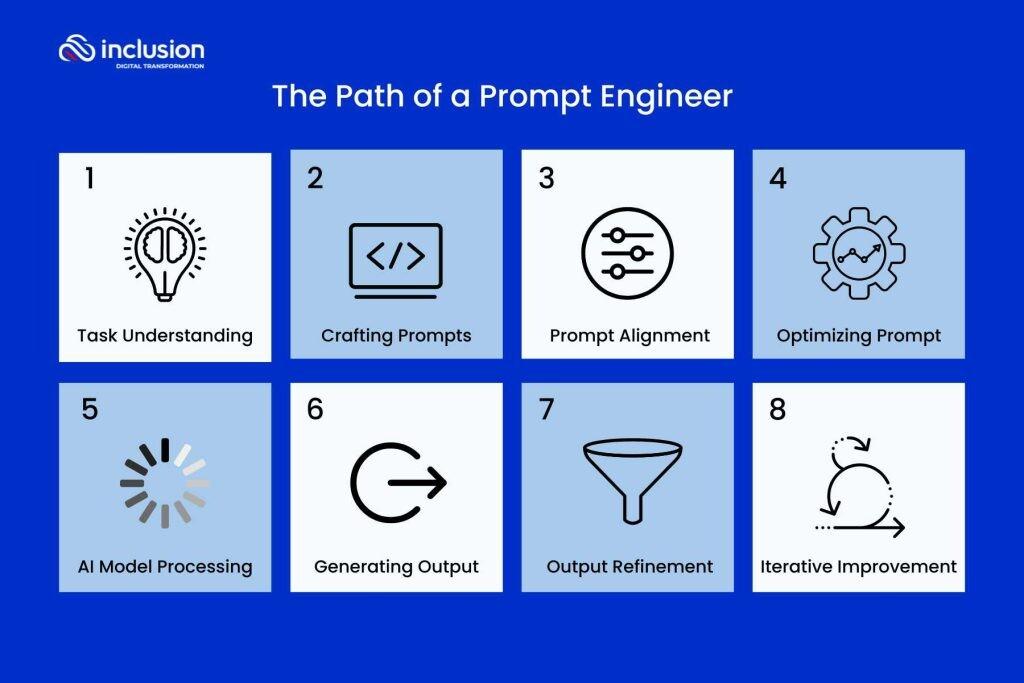
Understanding the Foundations of Prompt engineering in RAG Systems
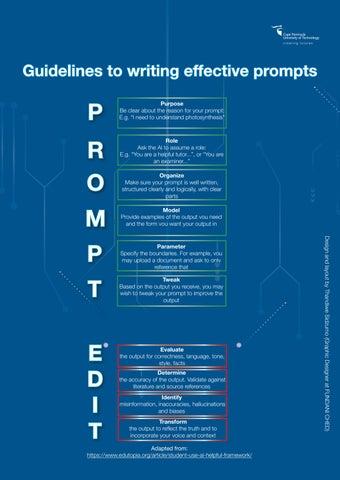
In the rapidly evolving landscape of Retrieval-Augmented Generation (RAG) systems,understanding the fundamentals of prompt engineering is crucial for successful implementation.Prompt engineering involves crafting specific inputs to guide the model’s output effectively. By carefully designing these prompts, developers can enhance the model’s performance in generating relevant and accurate information. Key aspects of prompt engineering include clarity, specificity, and context-awareness, ensuring that prompts are tailored to elicit the desired responses from the model.
One essential strategy in prompt engineering is the use of contextual cues. By embedding relevant background information within the prompts, users can provide models with the necessary context to generate coherent responses. This might involve including prior conversation history, specific user preferences, or domain-related terminology. Additionally, utilizing examples and formats can guide the model to produce outputs that align more closely with user expectations. For instance, a prompt that includes a sample question or desired answer format can significantly shape the generated response.
Moreover, iterative testing and refinement of prompts can lead to continuous improvements in system performance. Engaging in an ongoing cycle of testing various prompt structures allows teams to identify which formulations yield better results across different queries. It’s also beneficial to analyse feedback and performance metrics to adapt prompt strategies accordingly. Below is a simple table summarizing some effective prompt engineering techniques:
| Technique | Description |
|---|---|
| Contextual Cues | Incorporate background information to provide necessary context. |
| Examples & Formats | Use samples to guide expected output style and structure. |
| Iterative Refinement | Continuously test and adjust prompts based on feedback. |
Key Strategies for Crafting Effective Prompts in Real-World Applications
In the rapidly evolving field of prompt engineering, it becomes essential to develop strategies that enhance the effectiveness of prompts across various real-world scenarios. Clarity is paramount; prompts shoudl be straightforward and devoid of any ambiguity to ensure that users understand the required actions. To achieve this, utilizing simple language and maintaining focus on the essential question or task can lead to better responses, thereby optimizing the interaction with advanced model systems. Moreover, incorporating contextual details can significantly improve the quality of outputs, as these elements help to ground the model in real-world applications.
Another vital approach in crafting effective prompts is the principle of iterative refinement. Employing a trial-and-error method, wherein prompts are continuously tested and modified based on feedback, paves the way for discovering the most effective formulations. Users are encouraged to engage in detailed self-reflection regarding the effectiveness of previous prompts and actively seek to enhance them. This cycle not only cultivates a deeper understanding of user needs but also aligns the model’s responses more closely with real-world objectives. To organize this process, consider using a table to track various prompt iterations:
| Prompt Version | User Feedback | Modification |
|---|---|---|
| Version 1 | Too vague | Added context |
| Version 2 | Responses were lengthy | Specified word limit |
| Version 3 | Better but still lacks detail | Incorporated examples |
Lastly, leveraging the synergy between structured and unstructured prompts can lead to more dynamic outcomes. While structured prompts offer clarity and focus, unstructured prompts can encourage creativity and out-of-the-box thinking. By blending these styles, users can guide the interaction in a way that balances predictability with innovation.For example, a prompt could first set a clear expectation before inviting the model to explore option solutions. Combining these strategies can optimize RAG implementations, providing organizations with results that not only meet but exceed expectations in their operational environments.
Common Challenges in RAG Implementations and How to Overcome Them
Implementing Retrieval-Augmented Generation (RAG) systems brings several challenges that organizations must navigate to realise their full potential.One of the foremost issues is data inconsistency, where varying formats and quality of training data lead to unreliable outputs. To mitigate this, organizations should invest in robust data preprocessing techniques that standardize and clean data before it is indeed ingested into the system. This includes removing duplicates, filling in missing information, and harmonizing data formats to ensure a reliable foundation for the RAG model.
Another critical hurdle is the often complex integration of RAG into existing workflows. Many organizations find their current infrastructure incompatible with the demands of RAG implementations. To address this, it is essential to adopt a modular approach, allowing for incremental integration of RAG solutions. companies can conduct pilot tests to assess the integration compatibility with minimal disruption. Regular feedback loops between technical teams and end-users will also ensure that the implementation is tailored effectively, addressing specific operational needs and challenges.
maintaining performance and scalability poses a significant challenge, especially as demand fluctuates. As the user base grows, a RAG system must efficiently handle increased loads without sacrificing performance. To manage this, leveraging cloud-based infrastructures and scalable architectures is advisable. Additionally, organizations should implement continuous performance monitoring tools that can provide insights into system efficiency. The table below summarizes key strategies to enhance the durability of RAG systems:
| Challenge | Solution |
|---|---|
| Data Inconsistency | Implement robust data preprocessing techniques |
| Integration Complexity | Adopt a modular approach for gradual implementation |
| Performance Issues | Use scalable architectures and continuous monitoring tools |

Future Trends in Prompt Engineering and Their Impact on RAG Success
The evolution of prompt engineering is poised to significantly reshape the landscape of Retrieval-Augmented Generation (RAG) systems. Innovations in natural language processing are leading to the development of more refined prompting techniques that enhance both the relevance and accuracy of retrieved information. As organizations continue to adopt RAG strategies, they are increasingly recognizing the necessity of tailored prompts that align closely with specific goals. The emphasis on context-awareness in prompts will likely lead to more nuanced and effective interactions, ultimately driving RAG success.
Additionally, as machine learning frameworks advance, the integration of user feedback into prompt engineering practices is becoming commonplace. Feedback loops, wherein users can refine and adjust prompts based on their experiences, will facilitate real-time improvements, enhancing the overall effectiveness of the RAG models.This iterative approach not only empowers users but also fosters an ecosystem of continuous learning, allowing RAG systems to adapt swiftly to changing demands. consequently, organizations are expected to leverage these capabilities to maintain competitive advantages in their respective fields.
Looking ahead, the exploration of multimodal prompts—incorporating text, images, and other data forms—will also redefine user interactions with RAG systems. By enriching the context provided to these systems,multimodal approaches could deliver even more precise and contextually relevant results. As the industry witnesses this convergence of technologies, a newfound emphasis on cross-disciplinary collaboration among AI developers, UX designers, and domain experts will be essential to harness the full potential of prompt engineering in enhancing RAG success.
Closing Remarks
the integration of effective prompt engineering patterns is pivotal for successful Retrieval-Augmented Generation (RAG) implementations.As organizations increasingly leverage AI to enhance their information retrieval and generation capabilities, understanding how to design prompts that optimize performance will be essential. The patterns discussed in this article not only facilitate improved accuracy and relevance in AI responses but also empower developers to create more user-amiable and intuitive systems. As the landscape of AI continues to evolve, staying informed about best practices in prompt engineering will remain a cornerstone of innovation and effectiveness in the field. Stakeholders must prioritize these strategies to ensure their AI implementations are not only efficient but also capable of meeting the dynamic needs of users in various domains.