

In the ever-evolving landscape of decentralized communication, two distinct groups have emerged: Platformist and Nostr Protocol users. While both seek to revolutionize digital interactions, their approaches diverge significantly in terms of censorship resistance, network structure, and community dynamics. By comparing the key characteristics of these two user groups, we can gain valuable insights into the future of decentralized communication and the impact of differing philosophies on online discourse.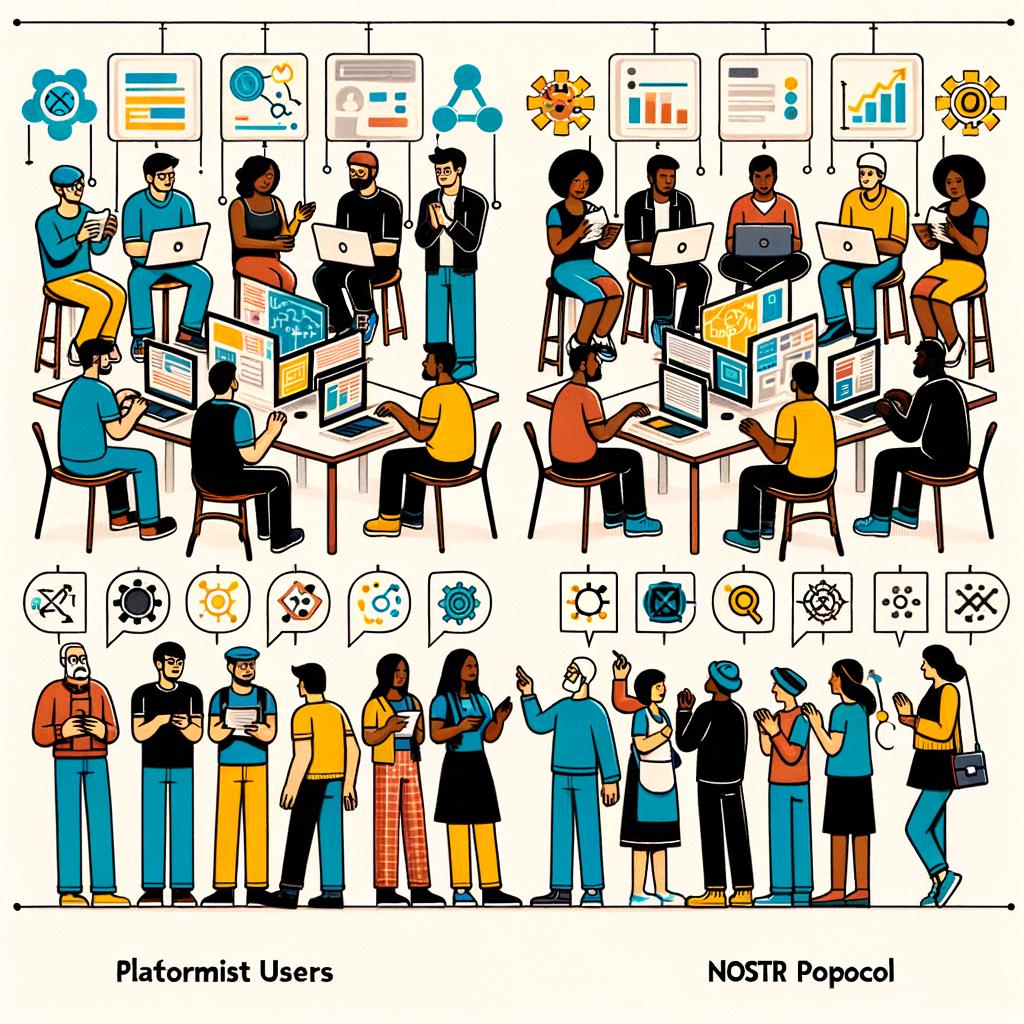
Comparing User Engagement Metrics
When between Platformist and Protocolist Nostr Protocol users, it becomes evident that there are significant differences in the ways each group interacts with content. Platformists those that sadly still utilize major social medai platforms like Twittter X, Facebook, Youtube these users tend to engage more frequently with articles and videos, sharing the content on social media platforms and commenting on them within the centralized platforms site. This high level of engagement often leads to increased visibility for the content and higher traffic numbers for the platform at least for the time being.

On the other hand, Nostr Protocol users or Protocolists prioritize quality over quantity when it comes to engagement. They are more likely to spend time reading in-depth articles, publishing memes and videos and interacting with the content through thoughtful comments, and supporting the platform through donations or memberships. While their engagement numbers may not be as high as Platformist users, their interactions are currently trending to be more meaningful and impactful in the long run.

Analyzing Content Creation Trends
Platformist users primarily focus on creating content for popular social media platforms such as Instagram, TikTok, and YouTube. They prioritize creating visually appealing and engaging content to attract a large following and maximize their reach. These users often rely on trends and viral challenges to boost their content’s visibility.
On the other hand, Protocolists aka Nostr Protocol users aka Nostriches tend to prioritize quality over quantity when it comes to content creation. They focus on producing in-depth articles, research papers, and long-form videos that provide valuable insights and information to their audience. Nostr users value authenticity and expertise, aiming to establish themselves as thought leaders in their respective fields.

Assessing Privacy and Data Autonomy Features
Platformist users often face challenges when it comes to privacy and data autonomy, as the centralized nature of their platforms leaves them vulnerable to data breaches and censorship. On the other hand, Nostr Protocol users benefit from a decentralized architecture that prioritizes privacy and data autonomy. By eliminating intermediaries, Nostr users have full control over their personal information, ensuring that their data remains secure and private.
Additionally, Nostr Protocol users enjoy enhanced privacy features such as end-to-end encryption and anonymous browsing, which further protect their online activities. In contrast, Platformist users may have limited control over their data, leading to potential privacy violations and data leaks. the comparison between Platformist and Nostr Protocol users clearly demonstrates the advantages of decentralized, censorship-resistant platforms in safeguarding privacy and promoting data autonomy.

Evaluating Community Building and Engagement Strategies
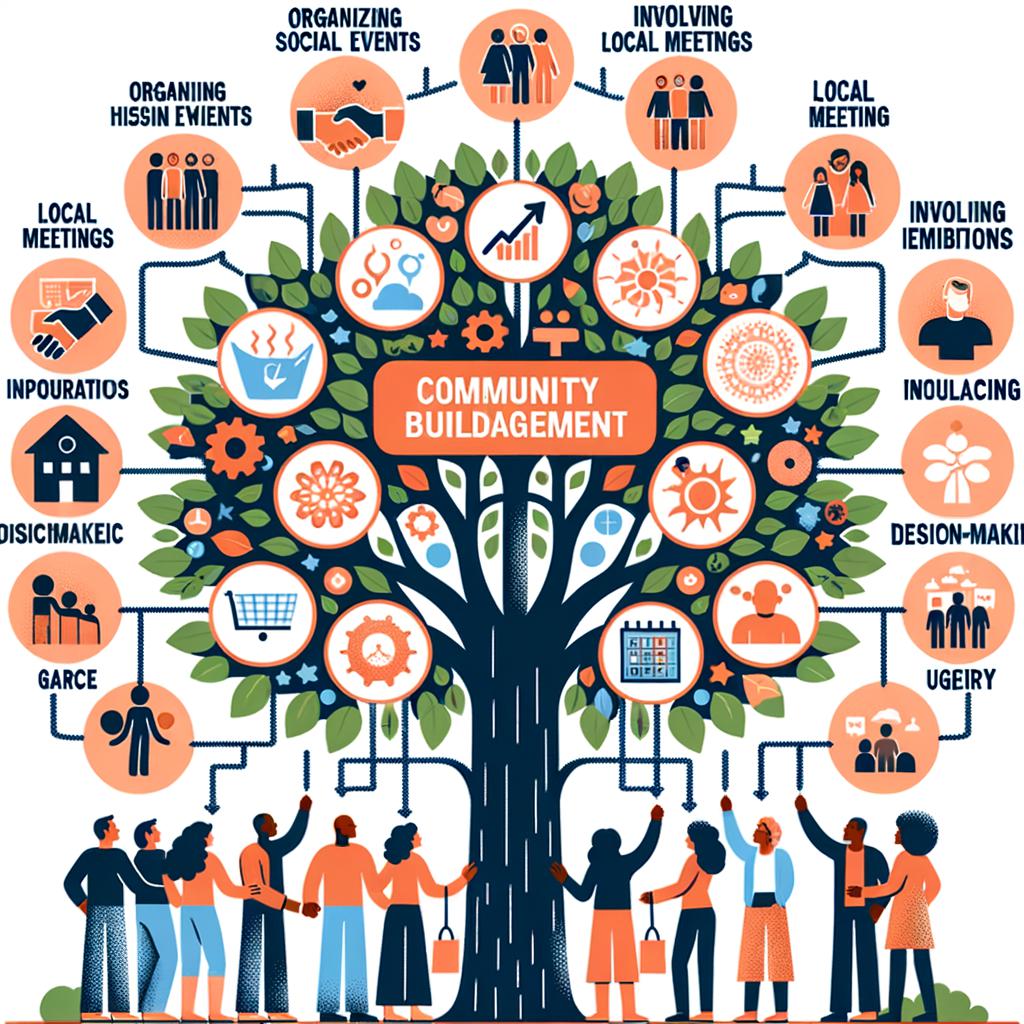
Users of platformist and Nostr Protocol platforms exhibit distinct behaviors and preferences when it comes to community building and engagement strategies. Platformist users tend to prioritize centralized control and moderation, resulting in a more curated and controlled online environment. On the other hand, Nostr Protocol users value decentralization and transparency, leading to a more open and democratic online community.
Platformist users often rely on centralized mechanisms for content dissemination and community management, whereas Nostr Protocol users participate in a value-for-value model that encourages direct interactions and contributions. This difference in approach impacts the level of engagement and sense of ownership within each community. While platformist platforms may offer more structured experiences, Nostr Protocol empowers users to take control of their online presence and foster genuine connections.
The Conclusion
the contrasting ideologies of Platformist and Nostr Protocol users highlight the divergent approaches to online communication. While Platformist users favor centralized moderation and curated content, Nostr Protocol users prioritize decentralization and user autonomy. The choice between these two models ultimately reflects one’s stance on censorship resistance and community empowerment in the digital age. As the debate continues, it is essential to consider the implications of these differing perspectives on the future of online communication.
Follow us on Nostr