
In a recent advancement, Paraguayan authorities have issued a warning regarding ‘irregular activity’ following the circulation of misleading information asserting that Bitcoin has been designated as legal tender in the country. This statement has sparked concern among regulators, prompting a clarification of Paraguay’s current stance on cryptocurrency regulation and usage. As the global landscape for digital currencies continues to evolve,the implications of such miscommunication could have significant repercussions for both domestic and international market dynamics.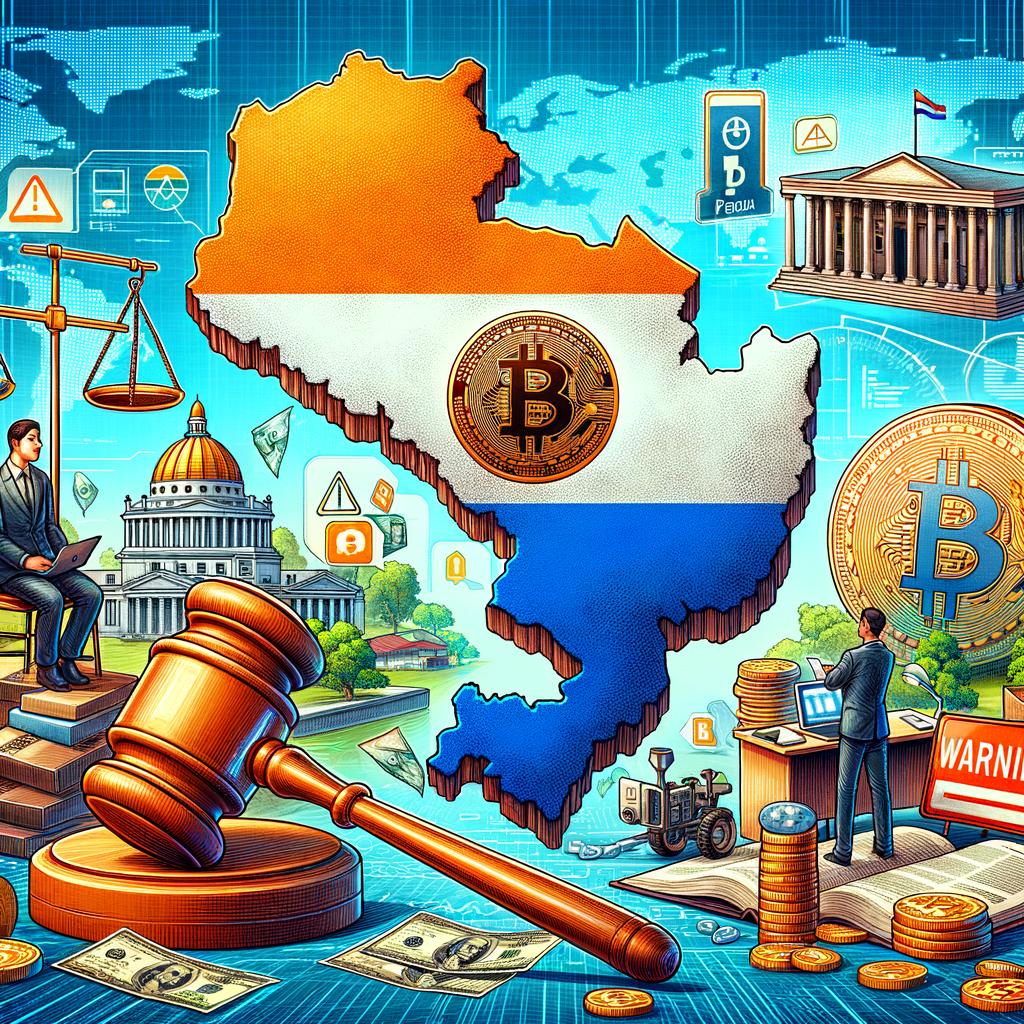
Paraguay’s Warning: Addressing Irregularities Following Bitcoin Legal Tender Claims
In a significant development, Paraguayan authorities have issued a stern warning regarding the irregularities related to claims of Bitcoin as legal tender within the country. Recent discussions and media reports have circulated assertions that Bitcoin had achieved legal tender status in Paraguay, prompting officials to clarify the situation to prevent misinformation. The government emphasized that no formal legislation has been enacted to designate bitcoin or any cryptocurrency as a legal tender,urging citizens and investors to exercise caution.
Officials highlighted several key areas of concern regarding the unauthorized promotion of Bitcoin and its purported legal status:
- Public Misinformation: The spread of misleading information regarding Bitcoin’s acceptability raises alarms, notably among inexperienced investors who may fall victim to scams or false representations.
- Regulatory Oversight: The lack of comprehensive frameworks governing cryptocurrencies poses significant risks, as it leaves potential avenues for exploitation and unregulated trading practices.
- Economic Implications: The potential adoption of Bitcoin could have profound implications for the national economy, yet without a structured approach, it may disrupt existing financial systems.
As the global cryptocurrency landscape continues to transform, Paraguay’s approach remains cautious yet vigilant. Authorities are actively working on a regulatory framework that addresses these challenges while considering the opportunities that digital currencies present. In their warnings,they stressed the importance of adhering to established regulations and maintaining openness to protect the integrity of the market and its participants.The Paraguay government remains committed to educating its citizens about the realities of cryptocurrency and the importance of verifying claims before undertaking any investment decisions.
Investigating the Claims: The Implications of Bitcoin as Legal Tender in paraguay
In recent months, Paraguay has garnered attention for its discussions surrounding bitcoin being recognized as legal tender. This move, while still in the early stages, could have far-reaching implications for both the national economy and the global cryptocurrency landscape. As the nation explores the integration of Bitcoin into its financial framework, stakeholders are weighing the potential benefits against the associated risks.
Proponents of the initiative argue that legalizing Bitcoin could significantly enhance financial inclusion, particularly in a country where a substantial portion of the population remains unbanked. By embracing this digital currency, citizens could gain easier access to online transactions and financial services, perhaps stimulating local businesses and attracting foreign investment. In addition, the adoption of Bitcoin could help Paraguay leverage its abundant renewable energy resources, particularly in hydropower, to support Bitcoin mining operations, thus fostering economic development.
Conversely, critics raise concerns regarding the volatility and regulatory challenges associated with cryptocurrencies. The unpredictable nature of Bitcoin’s price movements poses risks for consumers and businesses that may rely on it as a stable form of currency. Additionally,integrating cryptocurrency into a national legal framework requires substantial regulatory oversight to prevent issues such as money laundering and fraud. Experts caution that without a robust legal and regulatory environment, the move could lead to more harm than good.
As Paraguay navigates the complexities of this potential shift, it will need to consider the lessons learned from other countries that have attempted to incorporate cryptocurrencies into their economies. The experience of nations like El Salvador, which adopted Bitcoin as legal tender in 2021, serves as a crucial point of reference, highlighting both the promise and pitfalls associated with such a bold financial experiment.Ultimately,the outcome of Paraguay’s efforts to embrace Bitcoin will depend on the careful balance between innovation and regulation,and also the ability to address the diverse perspectives of its citizens and investors.
Government Response: Paraguay’s Measures Against the Spread of Misinformation in Cryptocurrency
Paraguay has taken significant strides to address the growing concerns surrounding the proliferation of misinformation within the cryptocurrency sphere. In recent months, the government has implemented a series of measures aimed at curbing the spread of falsehoods that can undermine market stability and public trust. These actions have sparked debate about the balance between regulation and freedom of expression in the digital age.
key components of Paraguay’s approach include:
- Regulatory Oversight: The government plans to establish a framework for monitoring cryptocurrency exchanges and platforms, ensuring compliance with established guidelines.
- public Awareness Campaigns: In an effort to educate citizens, officials are launching initiatives to provide reliable information about cryptocurrency investments, addressing common misconceptions and potential risks.
- Collaboration with Authorities: Paraguay is working closely with law enforcement and international bodies to track and address fraudulent activities tied to digital assets.
Critics argue that while these measures aim to protect consumers, they may also pave the way for excessive government oversight that could stifle innovation in the sector. Proponents assert that a well-informed public is crucial for the healthy growth of cryptocurrency markets, indicating a nuanced approach is necessary. As Paraguay continues to navigate this intricate landscape, the impact of its regulations on both misinformation and freedom of speech will be closely monitored by stakeholders across the globe.
Understanding the Landscape: Public Sentiment and Regulatory Concerns Surrounding Bitcoin in Paraguay
In Paraguay, the sentiment surrounding Bitcoin has experienced notable fluctuations, driven largely by public awareness and the ongoing discourse on regulatory frameworks. As cryptocurrency gains traction globally, local reactions frequently enough mirror these trends, highlighting a complex interplay between optimism and skepticism. Many citizens are beginning to recognize Bitcoin not merely as a speculative asset but as a tool that could potentially transform financial systems, especially in a country where traditional banking services are limited. However, this enthusiasm is tempered by concerns regarding potential regulatory actions.
The Paraguayan government has shown a cautious approach towards cryptocurrency regulation. Many stakeholders feel that a clear legal framework is essential to foster innovation while addressing risks associated with digital currencies. Some of the key concerns include:
- Fraud and Security Risks: The volatility associated with cryptocurrencies raises alarm over investment security. There are widespread fears about scams and fraudulent activities targeting inexperienced investors.
- Environmental Impact: Mining operations, particularly the energy-intensive nature of Bitcoin, have sparked environmental discussions. Paraguay’s reliance on hydroelectric power could position it favorably if regulations address sustainable practices.
- Legal Ambiguity: The lack of definitive guidelines regarding taxation,consumer protection,and ownership has left both investors and institutions in a state of uncertainty,impacting participation rates in the crypto economy.
In response to these challenges,various advocacy groups are pushing for more inclusive dialog between the government and the cryptocurrency community. They argue that regulations should not stifle innovation but rather create an ecosystem that nurtures blockchain technology. This viewpoint is echoed by a growing number of young entrepreneurs in Paraguay who see Bitcoin as a pathway to economic empowerment and financial inclusion, especially in regions where traditional financial access remains limited.
ultimately, the evolution of public sentiment and regulatory policies surrounding Bitcoin in Paraguay will be pivotal. As the digital currency landscape continues to mature, the balance between fostering innovation and safeguarding public interests will likely shape how Bitcoin is integrated into the broader economic framework of the nation. Continued engagement and education will be essential to mitigate risks and harness the potential benefits that this revolutionary technology can offer.
Paraguay’s warning highlights the ongoing complexities surrounding Bitcoin’s status as legal tender. as nations navigate the rapidly evolving cryptocurrency landscape, clarity and regulation become paramount. stakeholders must remain vigilant to ensure compliance and mitigate risks associated with potential misinformation, emphasizing the importance of transparent communication in the digital finance sector.