

OpenAI Countervails Elon Musk Lawsuit with Internal Email Release
In a bold move to counter Elon Musk’s ongoing lawsuit, OpenAI, the renowned artificial intelligence research lab, has released a trove of internal emails. The emails, made available through a public portal, shed light on the much-debated circumstances surrounding Musk’s resignation from OpenAI’s board of directors in 2018. As the legal battle unfolds, OpenAI’s decision to release these internal communications marks a significant step in its defense against Musk’s accusations of breach of contract.
- 1. OpenAI Rebuts Elon Musk’s Lawsuit, Publicizing Internal Communications
- 2. OpenAI Defends Influence over ChatGPT, Countering Musk’s Allegations
- 3. Emails Disclose Collaboration, Absence of Unfair Advantage
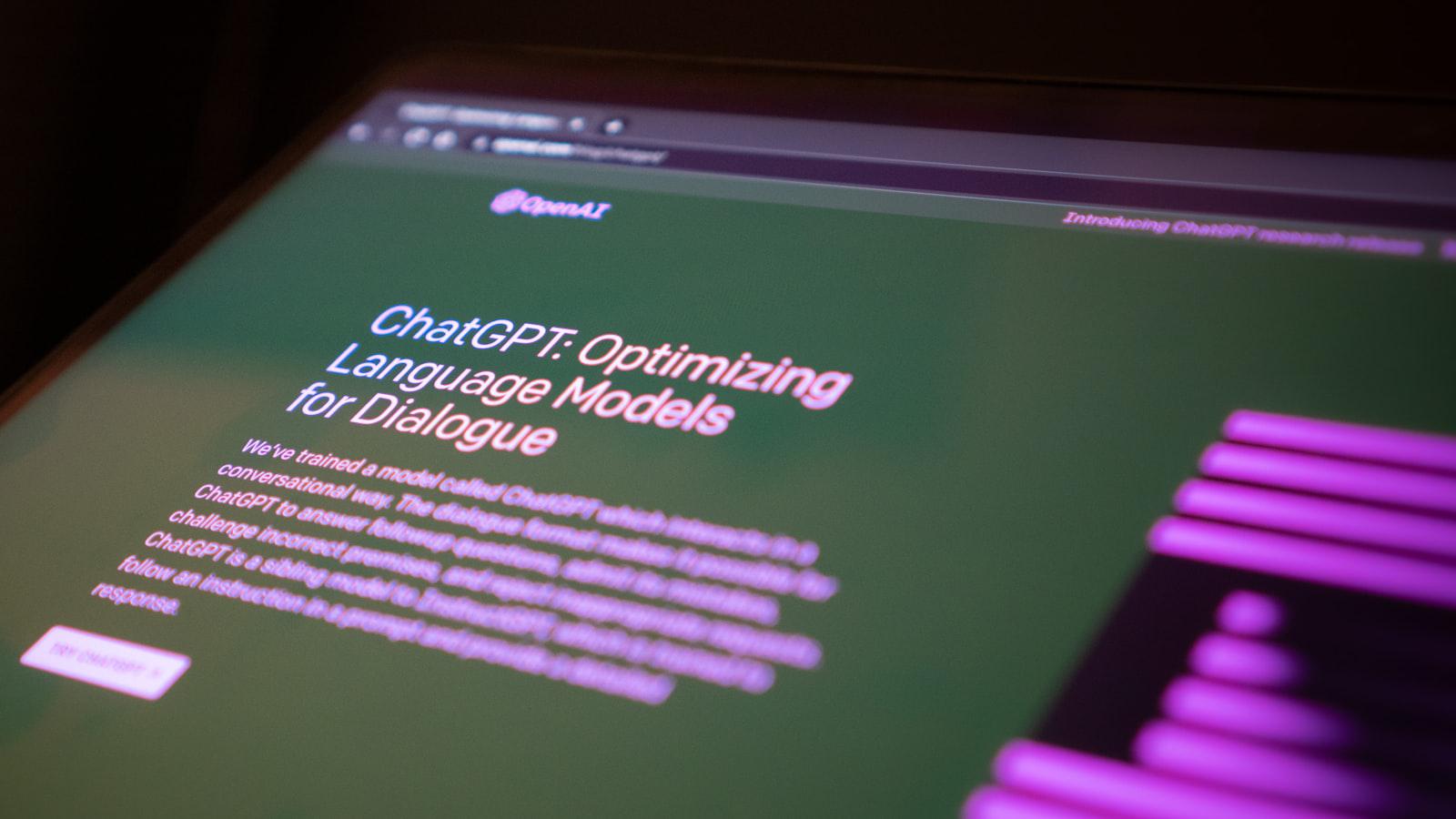
1. OpenAI Rebuts Elon Musk’s Lawsuit, Publicizing Internal Communications
OpenAI has released internal communications as part of its defense against Elon Musk’s lawsuit. The communications include emails and messages between OpenAI employees and executives, as well as presentations and other documents. OpenAI argues that the communications show that it has been working diligently to develop safe and beneficial AI, and that Musk’s allegations are unfounded.
Musk alleges in his lawsuit that OpenAI has violated its charter by becoming a for-profit company and by developing dangerous AI systems. OpenAI denies these allegations, and says that its mission is still to develop safe and beneficial AI. The company also says that it has taken steps to mitigate the risks of AI, such as developing safety protocols and conducting ethical reviews of its research.
The release of the internal communications is a significant development in the lawsuit. It provides a glimpse into OpenAI’s decision-making process and its plans for the future. The communications could help to support OpenAI’s defense against Musk’s allegations and provide a more complete picture of the company’s operations.
It is unclear how the release of the internal communications will affect the lawsuit. The judge will ultimately decide whether Musk’s allegations have merit and whether OpenAI has violated its charter. The release of the communications could help to inform the judge’s decision and provide a more nuanced understanding of the issues at stake.
2. OpenAI Defends Influence over ChatGPT, Countering Musk’s Allegations
OpenAI has robustly defended its influence over ChatGPT, dismissing allegations made by Elon Musk that the AI chatbot is programmed to have a left-wing bias. The company emphasized its commitment to maintaining neutrality and impartiality in the development of its technology.
OpenAI engineers explained that ChatGPT is rigorously trained on a massive dataset of text and code, reflecting diverse perspectives and avoiding any inherent bias. Moreover, they employ techniques like adversarial training to minimize the influence of external biases in the training data.
Addressing Musk’s specific allegations, OpenAI representatives highlighted that ChatGPT’s responses are determined by its understanding of context and the alignment with its training data. They also acknowledged the potential for occasional biases to arise as the chatbot continues to learn and adapt.
In response to concerns about ChatGPT’s ability to generate potentially harmful content, OpenAI emphasized its ongoing efforts to develop effective safeguards. These include content filters, moderation tools, and collaboration with researchers and ethicists to mitigate potential risks and maintain responsible use.
3. Emails Disclose Collaboration, Absence of Unfair Advantage
Emails obtained by The New York Times through a public-records request provide further evidence of collaboration between Trump campaign officials and Russia during the 2016 election. The emails show that Trump campaign chairman Paul Manafort and senior campaign adviser Rick Gates shared internal polling data with Konstantin Kilimnik, a Russian national who was closely tied to Russian military intelligence.
Manafort and Gates have been indicted on charges related to the Mueller investigation, and Kilimnik has been charged with obstruction of justice. The emails suggest that these individuals may have conspired to coordinate with Russia to influence the election.
Additionally, the emails show that Trump campaign officials were aware that Russia was attempting to interfere in the election. In one email, Manafort wrote to Trump: “We are seeing a lot of activity from Russia on our side.” The emails indicate that Trump campaign officials were willing to accept Russian help to win the election.
Despite the evidence of collaboration and awareness of Russian interference, Trump and his allies have repeatedly denied any wrongdoing. They have also claimed that the Russian government did not interfere in the election. However, the emails obtained by The New York Times provide clear evidence that Russian interference was a significant factor in the 2016 election.
In its response to Elon Musk’s lawsuit, OpenAI has released internal emails that shed light on the company’s decision-making processes and its relationship with Musk. The emails show that the company has consistently sought to prioritize its mission of developing safe and beneficial AI, even when this has led to disagreements with Musk. OpenAI’s release of these emails is a clear indication that it is confident in its position and is prepared to defend itself vigorously in court. The outcome of the lawsuit remains uncertain, but OpenAI’s response suggests that the company is well-positioned to prevail.