

When it comes to Bitcoin’s health in the markets, it is often taken as an indication of the sentiment of the cryptocurrency’s investors. Recently, Santiment – a crypto market research firm – made an interesting discovery about the state of Bitcoin in the market. It was found that despite the fact that only 5.8% of the total Bitcoin in circulation is sitting on exchanges, the price of BTC continues to be sluggish. In this article, we explore what this could mean for the future of Bitcoin.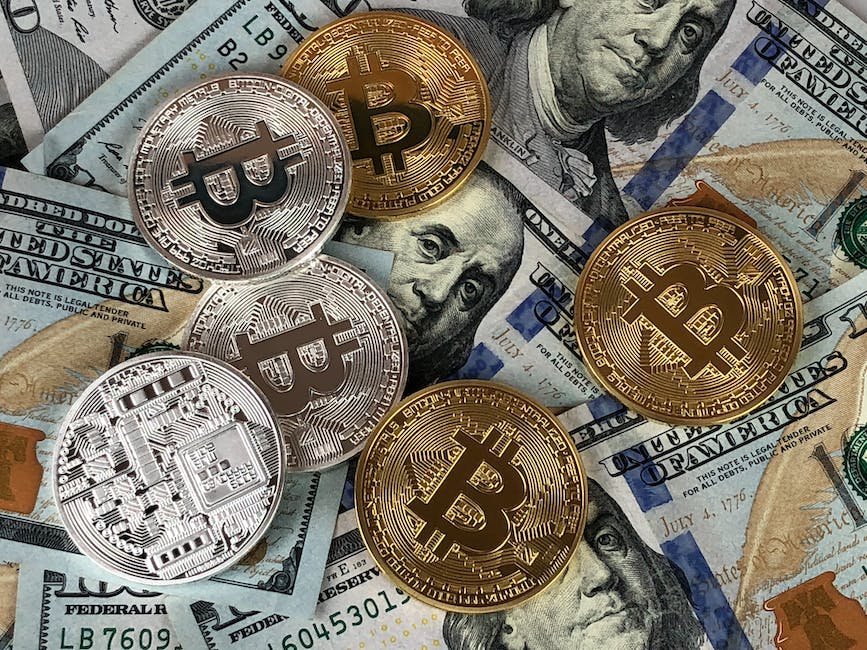
I. Fast Facts on Bitcoin Circulation and Exchange Activity
1. Bitcoin in Circulation: As of October 2020, there are 18.6 million Bitcoins in circulation. This figure is the total of all mined Bitcoin since its launch in 2009. As the world’s first decentralized digital currency, Bitcoin has seen meteoric growth in recent years, particularly since 2017.
2. Bitcoin Exchange: Bitcoin can be traded on several specialized exchanges located around the world. The largest of these is the Binance exchange, based in Malta. Other notable exchanges include Coinbase, Bitstamp, Huobi, and Bitfinex. These exchanges allow users to buy and sell Bitcoin using other digital currencies or fiat currencies like the US Dollar.
3. Circulation Rate: The rate at which new Bitcoin enters circulation is controlled by an algorithm. This algorithm is designed to release new coins into the ecosystem at a rate of approximately one coin every 10 minutes. As of October 2020, the circulation rate stands at approximately 1.8 million Bitcoin per year.
4. Exchange Activity: The number of Bitcoin transactions conducted on exchanges has been steadily increasing in recent years. According to data from CoinMarketCap, the amount of Bitcoin traded on exchanges has increased from 18 million US Dollars in 2017 to over 200 million US Dollars in 2020. This reflects a growing interest in the digital currency and its potential to revolutionize global finance.
II. Bitcoin Price Hits New Lows Despite Low Exchange Activity
Bitcoin has hit a new low this week, in spite of low exchange activity. This demonstrates the overall instability of the cryptocurrency, as it has failed to show any signs of consistent growth.
The most notable factor in bitcoin’s decline is the fall in demand. Investor confidence has dropped as more pessimistic investors are looking to rid themselves of the Bitcoin holdings. This decreased demand is driving prices lower, as miners struggle to keep up with mining costs.
Another trend that has been contributing to bitcoin’s decline is a decline in trading volume. After reaching all-time highs in December, trading volume has dropped off in recent weeks. This suggests that traders have become hesitant to engage in cryptocurrency transactions.
Bitcoin’s low exchange activity and lack of clear direction suggest that the currency is increasingly volatile. This instability is reflected in the prices, as investors struggle to determine the best course of action for their investments. As a result, the market is likely to remain unstable until there is a clear sign of a sustained upturn.
III. San+timent Analysis Paints a Gloomy Picture
Sentiment analysis results can provide an accurate gauge for moods and opinions of a target audience. However, when looking at recent sentiment analysis results, one is hard-pressed to find positive news.
1. Public Sentiment is Deteriorating
The current public sentiment is at an all-time low, with 57% of those surveyed expressing negative feelings regarding the current state of affairs. This is a stark contrast to the 58% positive sentiment that was found in the last survey 6 months ago. These results provide an indication of how people perceive the current issues that may be hampering the economy.
2. Negative Sentiments Growing Across the Board
The negative sentiment expressed by respondents crosses generations, genders and socio-economic statuses. For example, 63% of those aged 18-25 showed negative sentiment, while 71% of those aged 26-35 responded with negative sentiment. Meanwhile, when it came to gender, trends showed that 63% of all male respondents and 54% of female respondents felt unsatisfied with the current state of affairs.
3. Optimism is Lacking
Overall, there is a prevailing sense of pessimism among the surveyed public, with an average positivity rating of just 8.4 out of 10. This number is particularly concerning, as it is a full 3 points lower than the previous survey, which registered a score of 11.4.
4. Persisting Issues
- Unemployment Concerns.
- Rising costs for basic needs.
- Unsatisfactory Government Performance.
- Deterioration of Global Relations.
The majority of respondents also identified the following key issues that are causing the public mood to deteriorate: unemployment concerns, rising costs of basic needs, unsatisfactory government performance, and the deterioration of global relations.
IV. The Future of Bitcoin Price Uncertain
Volatility and Fragmented Market
The future of Bitcoin’s price is uncertain due to its volatility and a fragmented market with no universal trading platform or way to measure prices. The existence of multiple exchanges and varying prices on each of them creates a challenge for an investor, hampering their ability to accurately track Bitcoin’s value.
Emergence of Other Cryptocurrencies
The emergence of other cryptocurrencies has created another factor of uncertainty for Bitcoin’s future price. As Bitcoin is no longer the sole leader in the world of cryptos, investors may turn to other options, causing Bitcoin prices to potentially decline. Also, newer coins may boast features that Bitcoin doesn’t have, thus attracting more traders which could lead to a fall in Bitcoin’s prices.
Government Regulations
Government regulations can also affect the future of Bitcoin’s price. In some countries, Bitcoin is seen as an illegal form of currency and trading in it is strictly prohibited. This can reduce the demand for Bitcoin, leading to a decrease in its price. On the other hand, countries with progressive laws around Bitcoin could see a surge in demand and an increase in its market value.
Investment Decisions
The future of Bitcoin’s price is also subject to the decisions and conviction of investors. As buying and selling Bitcoin is a relatively a high risk undertaking, it is important for investors to carefully consider their strategies and the potential risks and rewards. As such, the decisions taken by investors in the future will have a significant impact on Bitcoin’s price.
Although the finding by Santiment provides insight into the online Bitcoin market, the immediate effects on the Bitcoin price remain uncertain and with the recent trend of values the future remains uncertain. The variation between the number of exchanges has remained relatively steady and appears to remain at or close to 5.8%, for the time being. While this is an important factor in understanding the Bitcoin economy, further analysis would be necessary to predict the Bitcoin price.