
understanding the Decentralized Architecture of Nostr
At the core of Nostr’s innovative framework lies its decentralized architecture, which contrasts sharply with conventional client-server models. In nostr, users interact directly with one another, forming a network that emphasizes peer-to-peer connections. This architecture not only eliminates the need for central authorities to manage data flow but also enhances the resilience of the system. Each participant’s device contributes to the overall functionality, allowing for a more robust and adaptable network that can easily withstand attempts at censorship or central points of failure.
The minimalist design of Nostr facilitates more efficient interaction by removing needless layers of complexity.This simplicity empowers developers to focus on core functionalities while still maintaining an extensive level of versatility in their applications. By utilizing a single protocol, Nostr allows for seamless interaction across diverse platforms and devices. This unification reduces the barriers to entry for developers and users alike, enabling a richer ecosystem of applications that foster collaboration and creativity.
Furthermore,Nostr’s decentralized structure enables greater user autonomy by placing control directly in the hands of the individual. Users are not merely consumers of content; they are active participants in the network, creating, sharing, and managing their data without intermediary oversight. This shift in power dynamics cultivates an habitat where innovation can flourish and where digital interactions are governed by consensus rather than hierarchical control. Consequently, Nostr represents a significant step towards democratizing digital environments in which users can freely express themselves and connect with others.
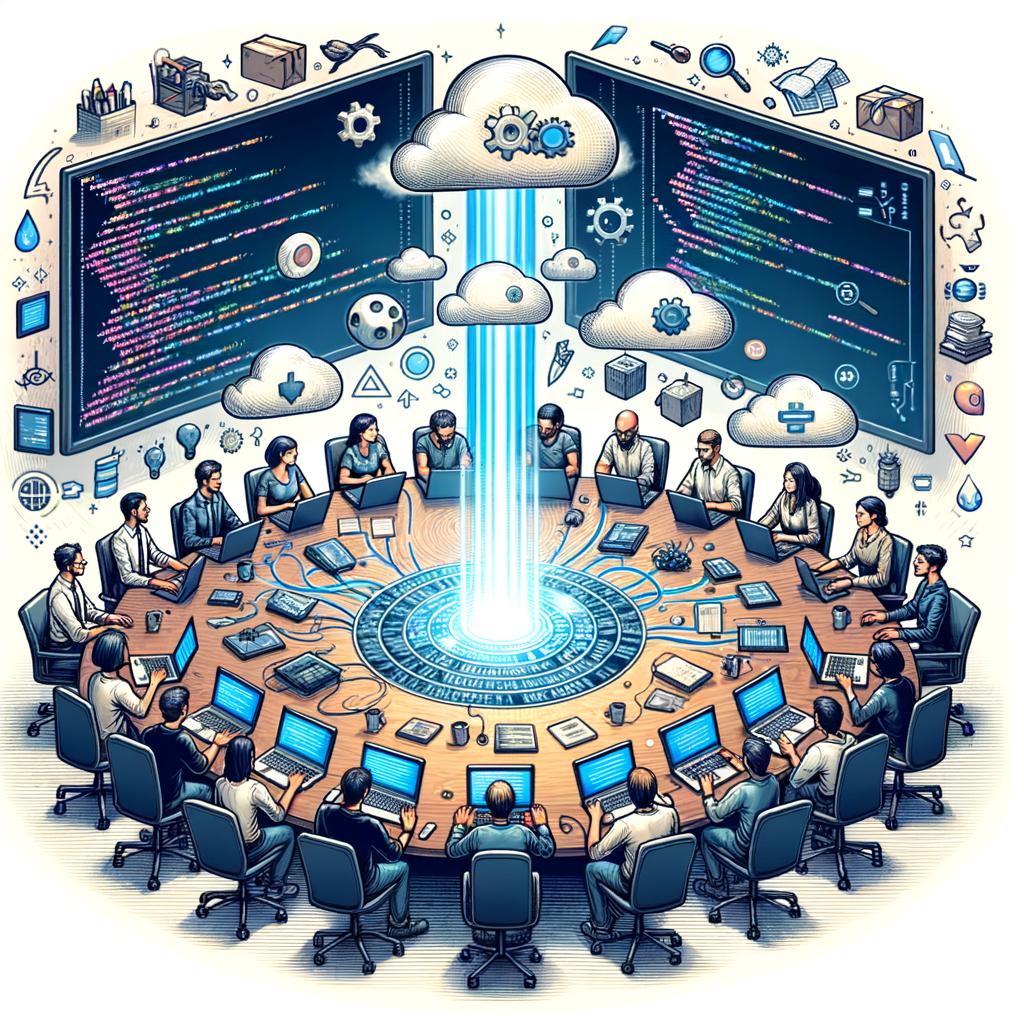
Implications of Peer-to-Peer Interactions for Software Development
The shift toward peer-to-peer interactions in software development heralds a fundamental transformation in how applications are created, deployed, and maintained. By decentralizing communication channels, developers can foster an environment where collaboration is not limited by geographical or institutional boundaries. This approach enables a more fluid exchange of ideas and resources, where contributors can share code, improvements, and fixes directly with one another, bypassing traditional hierarchical structures. As an inevitable result, developers benefit from rapid feedback loops and increased innovation, as diverse perspectives converge to solve complex problems.
Furthermore, the implications of this decentralized model extend beyond mere collaboration. Enhanced security and self-sovereignty become key considerations, as peer-to-peer frameworks reduce the reliance on central servers that may be vulnerable to attacks or failures. By distributing data across various nodes,the system’s resilience increases,allowing applications to continue functioning even in the face of individual node failures. This architectural shift not only heightens the overall robustness of software systems but also empowers users to take control over their own data and communication, fostering a sense of trust and ownership that is often absent in centralized models.
Another significant result of embracing peer-to-peer interactions is the democratization of software development itself.Individuals and organizations that may have previously lacked access to resources or knowlege can now engage more fully in the development process. This inclusion can lead to a more diverse range of projects and ideas, propelling the creation of software solutions that cater to a wider audience.Diversity in contributions can serve to address previously overlooked issues and applications, ultimately driving the evolution of technology in a manner that is more reflective of society’s multifaceted needs and values.
enhancing User Autonomy and Security in Decentralized Environments
The emergence of decentralized frameworks like Nostr marks a significant shift in how users interact with digital platforms, notably concerning autonomy and security. In traditional systems, user data is frequently enough stored on centralized servers, leading to potential vulnerabilities and exploitation. Tho, Nostr’s peer-to-peer communication model diminishes reliance on central authorities, which not only empowers users by giving them control over their own data but also enhances security protocols. By leveraging cryptographic technologies, users can protect their facts from unauthorized access, ensuring that their digital identities remain private and safeguarded against breaches.
Moreover, this model cultivates a sense of ownership and duty among users. Without a centralized intermediary acting as a gatekeeper, individuals are encouraged to engage more actively with their digital environments. This decentralization fosters a community-driven culture where users can share insights, collaborate on projects, and innovate collectively. The ability to manage one’s own data and contribute to a common network aligns with principles of autonomy, elevating the user experience beyond mere consumption to active participation. This change in engagement signifies a paradigm where users are no longer passive actors, but rather vital contributors to the ecosystem.
In addition to promoting user autonomy, the inherent structure of Nostr fortifies the system against various security threats. By distributing data across multiple nodes, the platform becomes more resilient to attacks that typically target centralized systems, such as Distributed Denial of Service (DDoS) attacks, data manipulation, and censorship. Users are empowered with choices regarding how and where their data is stored, frequently enough utilizing a multitude of decentralized nodes. This resilience,coupled with the openness that comes from an open-source model,ensures that the community can rapidly identify and address vulnerabilities,thereby sustaining a secure environment conducive to innovation and trust.
Recommendations for Integrating Nostr into Existing Programming Practices
To successfully integrate Nostr into existing programming practices,developers should first consider embracing the principles of decentralization inherent in the nostr protocol. This requires a shift from traditional centralized architectures towards a more distributed approach, emphasizing peer-to-peer interactions.Developers can initiate this transition by exploring existing decentralized applications (dApps) and identifying components that can be integrated with Nostr, thereby enhancing scalability and resilience.
Moreover, it is indeed crucial to adapt development workflows to accommodate Nostr’s unique features.teams should implement communication structures that leverage Nostr’s minimalist design, allowing for streamlined interactions without the overhead often associated with conventional frameworks. Integrating Nostr can be achieved through the following strategies:
- Utilization of Nostr’s Event System: Learn how events are created, signed, and propagated within the Nostr network to ensure efficient message delivery and processing.
- Decentralized Hosting Solutions: Explore options that allow for self-hosted or distributed deployment of applications, reducing reliance on centralized servers.
- Interoperability with Existing Tools: Assess APIs and libraries that facilitate integration with Nostr, ensuring compatibility with existing programming environments.
it is imperative to cultivate a community-driven approach to development. Nostr’s decentralized nature supports collaborative efforts, encouraging developers to contribute to open-source projects and share insights with peers. Establishing forums, documentation hubs, and collaborative platforms can stimulate knowledge sharing and innovation. By focusing on the following collaborative practices, developers can enhance their engagement with the Nostr ecosystem:
- Participatory development: Involve stakeholders from diverse backgrounds in the design and implementation phases to gather a wide range of perspectives and expertise.
- Continuous Feedback Loops: Create mechanisms for regular feedback and iteration, allowing for rapid adjustments in response to community needs and technological advancements.
- Resource Sharing: Promote the distribution of educational materials, code samples, and tutorials to encourage best practices in utilizing Nostr effectively.
By prioritizing these recommendations, developers can align their practices with Nostr’s vision, ultimately spearheading advancements in decentralized programming paradigms.
Nostr represents a significant shift in the paradigm of programming by utilizing decentralized communication frameworks. Its emphasis on peer-to-peer interactions not only enhances user autonomy but also contributes to a more resilient and democratized digital landscape. As the technological ecosystem continues to evolve, the principles embodied by Nostr may pave the way for innovative solutions that prioritize decentralization, security, and user empowerment. This framework not only challenges traditional programming methodologies but also invites developers and users alike to rethink their relationships with technology in an increasingly interconnected world. Future research and exploration into Nostr’s capabilities could yield valuable insights into the broader implications of decentralized frameworks across various domains of digital communication and beyond. Get Started With Nostr