
Exploring the Minimalist Architecture of nostr and Its Implications for Peer-to-Peer Communication
The architectural design of nostr emphasizes a minimalist framework that streamlines interactions between users, removing the complexities often associated with centralized systems. this simplicity is evidenced by the lack of reliance on intermediaries, which typically slow down communication and introduce points of failure. In lieu of this reliance,the architecture promotes direct peer-to-peer interactions,allowing users to communicate seamlessly and without the encumbrance of gatekeepers. The emphasis on minimalism not only fosters efficiency but also enhances the accessibility of the platform, enabling a broader range of users to participate in decentralized communication.
One of the critical implications of this design choice is its impact on the autonomy of users. By removing central authorities, individuals can share information, opinions, and content freely, thus empowering them to become active contributors rather than passive consumers. this shift is pivotal in creating an environment where diverse voices can be heard, as it encourages users to engage directly with one another without the constraints imposed by centralized platforms. Moreover, such autonomy helps cultivate resilience within the network, as the lack of central control means that the system can continue to function even if individual nodes are compromised or taken offline.
additionally,the minimalist architecture of Nostr inherently promotes democratization in digital communication. With fewer barriers to entry, users from various backgrounds and technical expertise can utilize the platform effectively. this democratization is essential for fostering innovation, as it allows for a multitude of perspectives and ideas to emerge within the ecosystem. As users leverage the simplicity of Nostr for different applications-ranging from social media to decentralized governance-the implications of a minimalistic approach become increasingly evident: a more inclusive and collaborative space for communication that aligns with the principles of decentralization.
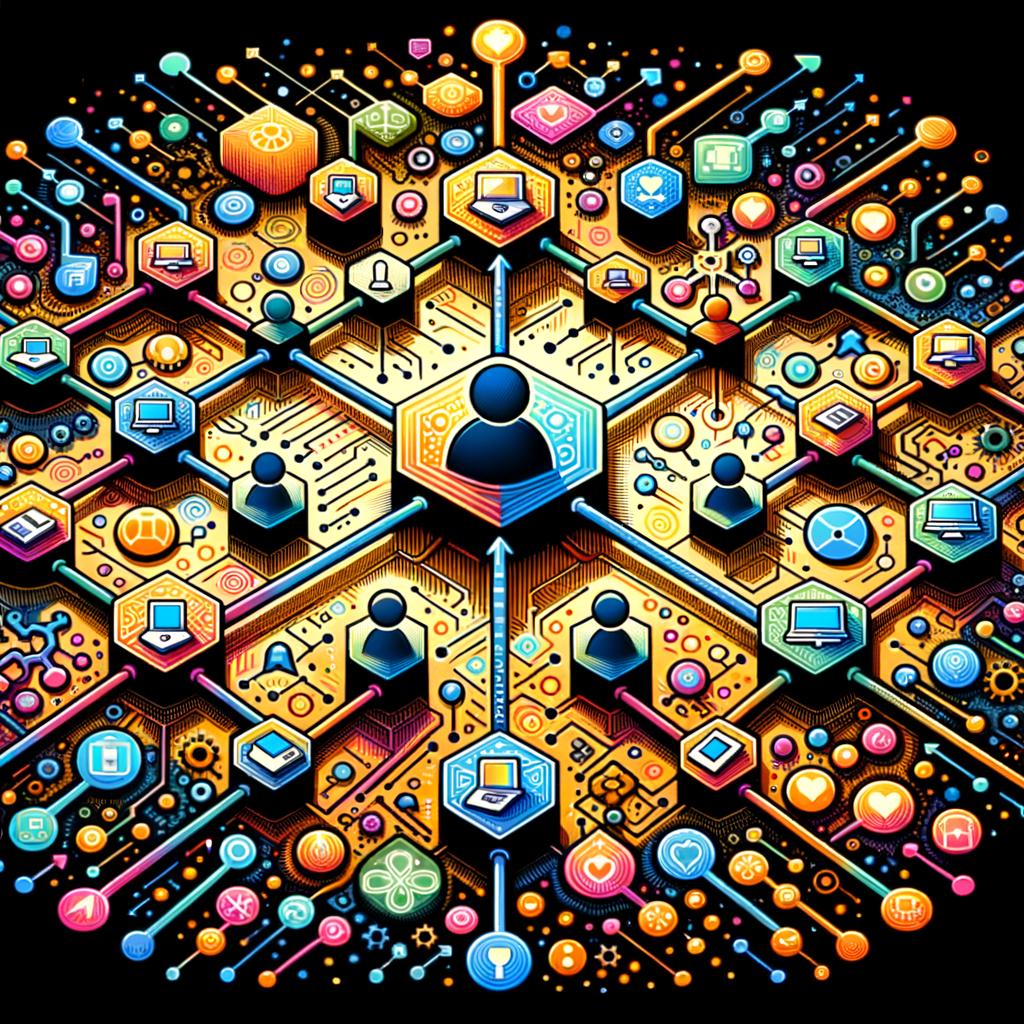
The Role of Decentralization in Enhancing User Autonomy and Digital Resilience
Decentralization fundamentally alters the landscape of user autonomy by dismantling the barriers present in traditional centralized systems. In a decentralized framework, users are empowered to control their own data and interactions, fostering an environment where information is not solely dictated by a single entity. Key features of this shift include:
- User Ownership: Individuals retain full ownership of their data, ensuring privacy and reducing the risk of misuse.
- Direct Interaction: Peer-to-peer communication enables users to directly connect without intermediaries, promoting authentic engagement.
- Choice and Flexibility: Users can select from a variety of decentralized applications based on their preferences, rather than being confined to dominant platforms.
This paradigm not only champions user agency but also contributes significantly to digital resilience. By distributing data and control across a broad network, decentralization mitigates vulnerabilities associated with single points of failure characteristic of centralized systems. Such an architecture enhances the robustness of digital platforms against various threats, including censorship and cyber-attacks. Benefits of this increased resilience encompass:
- Censorship Resistance: content can circulate freely, minimizing the influence of authorities attempting to restrict information.
- Enhanced Security: The distributed nature of decentralized networks makes it challenging for malicious actors to compromise entire systems.
- Adaptability: Systems can evolve through community-driven development, leading to innovations that respond to users’ dynamic needs.
In essence, the move towards decentralization fosters a digital ecosystem characterized by greater autonomy and resilience. Users are not merely consumers of technology but active participants shaping their environments.Aspects that illustrate this transformation include:
- Collaborative Governance: Users can engage in decision-making processes that affect the development and rules of the network.
- Community Building: Decentralized platforms encourage the formation of communities that align around shared values and interests.
- Lower Barriers to Entry: Innovative tools and resources allow diverse developers to contribute, enriching the ecosystem through varied perspectives.
Comparative Analysis of Nostr and Traditional Centralized Models in Software Development
At the core of Nostr’s framework lies a significant departure from traditional software development models that prioritize a centralized architecture. In systems where a single authoritative source controls the data and user interactions,developers often face challenges such as scalability,reliability,and exposure to potential single points of failure. In contrast, Nostr facilitates a decentralized approach that disperses control and data across multiple nodes, thus enhancing system resilience. This structural integrity is embodied in the following benefits:
- Enhanced security: By distributing data storage and processing, Nostr mitigates risks associated with data breaches, reducing the likelihood of mass data loss.
- Improved scalability: Decentralized protocols can adapt more readily to increasing user loads, as they are not bottlenecked by a central server.
- Greater user autonomy: Users maintain more control over their data, fostering a trust-based environment.
Another critical distinction between nostr and traditional centralized models lies in the approach to user experience and personalization. Centralized systems often rely on rigid frameworks for user interaction, leading to a homogenized experience that may not fully align with diverse user needs. In contrast, Nostr empowers developers to create systems that are inherently adaptable. Features that promote user engagement can be seamlessly integrated, allowing for a more tailored and relevant user experience. The implications of this adaptability can be summarized as:
- Dynamic user interfaces: The architecture enables fluid changes to user interactions in response to emerging trends and user feedback.
- Localized solutions: Developers can customize functionalities to cater to specific user demographics and geographies.
- Innovation facilitation: The open nature encourages creativity, allowing developers to implement cutting-edge features without organizational bottlenecks.
Nostr’s decentralized protocol also significantly alters the pace of software development compared to centralized models. Traditional systems often require extensive approval processes and hierarchical decision-making, which can stifle innovation and lead to delays. In contrast, Nostr fosters an environment where developers can rapidly iterate and deploy updates, ultimately resulting in a more agile development process.Key characteristics supporting this acceleration include:
- Continuous integration and deployment: Decentralization allows for real-time updates and enhancements without lengthy approval timelines.
- Community collaboration: Open-source contributions from a diverse developer base lead to faster problem resolution and feature development.
- resource optimization: With a decentralized structure, resource utilization is maximized, as multiple developers can work on various aspects of the project together.
Strategic Recommendations for Embracing Decentralized Programming with Nostr
Incorporating Nostr into programming practices requires a basic shift in mindset towards decentralized architectures. Developers should prioritize simplicity and functionality in their applications, ensuring that each component serves a clear purpose within the decentralized framework.To facilitate this integration, it is essential to adopt the following strategies:
- Focus on Interoperability: Build solutions that can communicate seamlessly with various decentralized networks and protocols. This will enhance user experiences and expand the potential applications of programs developed within the Nostr ecosystem.
- Adopt a Peer-to-Peer Model: Encourage collaboration among users by designing systems that facilitate direct communication. This reduces reliance on central servers and enhances resilience against outages and censorship.
- Promote User control: Empower users by allowing them to manage their own data and interactions. Tools and interfaces should be intuitive,fostering a sense of ownership and encouraging wider adoption of decentralized technologies.
To ensure ongoing engagement with decentralized programming methodologies, continuous education and community involvement are paramount. Developers and users alike must immerse themselves in the principles of decentralized networks, constantly updating their skills and knowledge to keep pace with advancements in technology. Recommended actions include:
- Participate in Workshops and Hackathons: Engage with community initiatives that focus on decentralized programming, fostering collaboration and innovation.
- Contribute to Open Source Projects: Actively participate in or initiate projects that align with Nostr’s ethos,which encourages clarity and shared learning within the developer community.
- Develop Documentation and Resources: Create and share resources that simplify the understanding of Nostr’s operations and capabilities, aiding both new and experienced developers in navigating the decentralized landscape.
adopting sustainable practices will not only promote resilience but also ensure the longevity of decentralized programming initiatives. In creating a sustainable framework for development, it is indeed vital to focus on:
- Resource Efficiency: Optimize applications to consume fewer resources, thus reducing both operational costs and environmental impact.
- Scalability: Design systems that can easily adapt to increased loads and user numbers without compromising performance or user experience.
- Ongoing Support for Ethical Practices: Uphold principles that prioritize user autonomy and trust, ensuring that the technologies developed serve the community rather than corporate interests.
Nostr emerges as a pivotal innovation within the domain of decentralized programming, serving as a catalyst for rethinking the fundamental principles of communication in digital ecosystems. Its minimalist architecture not only prioritizes peer-to-peer interactions but also champions the ideals of user autonomy and resilience against centralized control. By dismantling traditional paradigms and promoting democratization in digital spaces, Nostr facilitates a transformative approach to how users engage with and contribute to the digital landscape. As the implications of decentralization continue to unfold, the Nostr protocol stands at the forefront, indicating a future where programming is more inclusive, collaborative, and resistant to censorship. The potential for fostering innovation within this framework invites ongoing exploration and research into its applications and impact on the broader technological ecosystem. Get Started With Nostr