
Understanding the Decentralized Architecture of Nostr and Its Implications for Programming Practices
Nostr represents a paradigm shift in the approach to decentralized communication, steering away from conventional centralized systems. this innovative architecture relies on a simple yet powerful principle: data ownership and control are returned to the user. Unlike conventional models where data is stored and managed in centralized databases, Nostr leverages a network of interconnected nodes where each participant maintains control over their data. This basic change not only enhances privacy but also ensures that users are not at the mercy of single entities, which can impose arbitrary restrictions or regulations on the communication process.
Moreover, the minimalist design inherent to Nostr promotes interoperability and modularity.With its straightforward communication protocols, developers can create diverse applications that can seamlessly communicate with one another without the complexities of conventional API integrations. The implications for programming practices are significant, as developers are encouraged to focus on crafting efficient, purpose-driven solutions rather than grappling with excessive dependencies. This leads to a more agile advancement process, fostering innovation and allowing niche applications to flourish without the constraints imposed by dominant platforms.
The decentralized nature of Nostr also potentiates collaborative programming practices, enhancing the communal aspect of software development. By allowing developers to build upon one another’s work within an open network, it cultivates an surroundings where contributions can emerge from diverse sources, encouraging a vibrant ecosystem of problem-solving.This shift not only democratizes access to programming resources but also promotes a culture of openness and shared responsibility in software creation. As the potential of decentralized communication continues to be explored, the implications for the programming community may very well redefine existing workflows and inspire new methodologies.
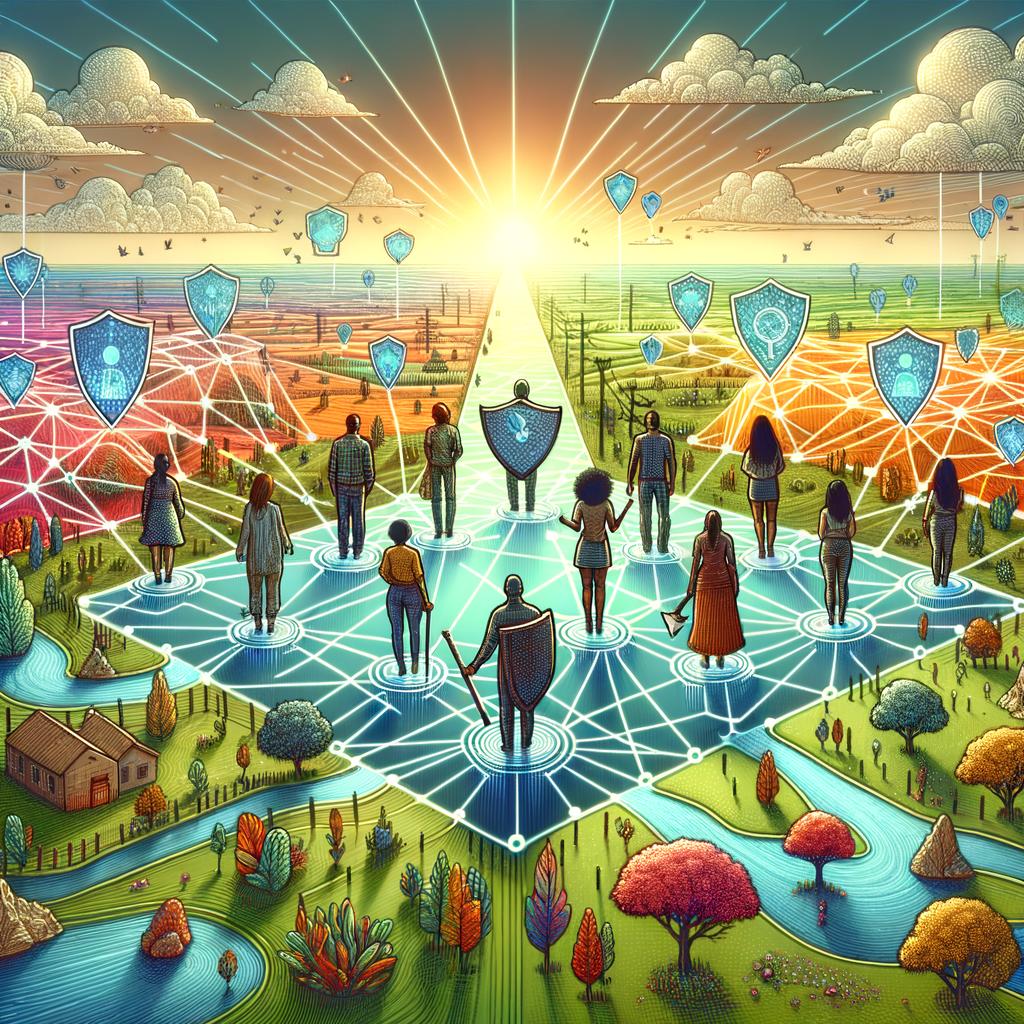
The Role of Peer-to-Peer Interactions in Enhancing User Autonomy and Resilience
Peer-to-peer interactions serve as the backbone of Nostr’s decentralized communication model, significantly enhancing user autonomy by allowing individuals to connect directly without reliance on centralized intermediaries. This structure empowers users to share and receive information freely, thereby eliminating the constraints imposed by traditional platforms that frequently enough dictate the terms of engagement. By prioritizing direct relationships,Nostr facilitates a dynamic ecosystem where users maintain full control over their data and interactions. This model encourages a more democratic digital landscape, where users are no longer subject to the whims of centralized authorities.
Moreover, the resilience offered by this peer-to-peer framework cannot be overstated. In contrast to conventional systems that can be susceptible to single points of failure, a decentralized architecture inherently disperses risk across multiple nodes. This results in a robust network that is less prone to censorship or outages, as users can establish connections autonomous of any central authority. The ability of users to engage with each other directly fosters a more resilient communication network, where continuity is maintained even in adverse conditions, such as server downtimes or systemic failures of traditional platforms.
The implications of these peer-to-peer interactions extend beyond mere technical advantages; they also cultivate a culture of collaboration and creativity among users. By facilitating unmediated exchanges of ideas, Nostr encourages innovative solutions and cooperative problem-solving that might be stifled in more regulated environments. Users are empowered to participate in a rich tapestry of dialogue and development, fostering diverse applications and community-driven projects that reflect their collective needs and values. This shift towards user-centric paradigms not only enhances individual autonomy but also cultivates a more resilient and adaptable digital ecosystem.
Challenges and Opportunities in Implementing nostr for Decentralized Communication Solutions
Implementing Nostr as a framework for decentralized communication presents a range of challenges that must be navigated to realize its full potential. One significant hurdle is the lack of standardization across various implementations. The absence of universally accepted protocols can lead to fragmentation, hindering interoperability among different applications. As developers create independent apps on Nostr, ensuring that these solutions can communicate seamlessly with one another poses a complex technical challenge, which may limit user accessibility and the overall efficacy of decentralized networks.
In parallel, the security landscape associated with decentralized systems presents both risks and opportunities.While the elimination of central authorities reduces vulnerability to single points of failure and censorship, it also necessitates the enhancement of security protocols to protect against a new wave of threats. Users must be educated about safeguarding their data and identities, while robust encryption methods and decentralized authentication mechanisms must be seamlessly integrated into applications. This creates an possibility for innovation within the cybersecurity domain, as developers can experiment with novel solutions tailored specifically for decentralized environments.On a more optimistic note, the adoption of Nostr creates avenues for democratizing communication technology. By empowering individuals to control their data and communication methods, Nostr can disrupt existing power structures and foster diversity in content creation and sharing. This paradigm shift invites new players into the digital landscape, enabling grassroots movements to flourish and enhancing inclusivity within tech ecosystems. Moreover, by harnessing community-driven development and open-source methodologies, developers have the chance to cultivate a robust ecosystem that is resilient against corporate monopolization and promotes collaborative innovation.
Recommendations for Developers: Integrating Nostr Protocols to Foster Democratic Digital Environments
To harness the capabilities of Nostr effectively, developers should first embrace the peer-to-peer architecture that Nostr advocates. This fosters a landscape where users can interact directly, free from central authority and control. By integrating P2P principles into their applications, developers can cultivate environments that prioritize user autonomy and reduce reliance on intermediaries. Utilizing libraries that facilitate Nostr’s protocols can enable seamless communication among users, ensuring that the foundation of their projects aligns with decentralized values.
Another key recommendation is to ensure privacy and security through thoughtful implementation of cryptographic techniques inherent to Nostr. Developers should integrate end-to-end encryption to protect the user’s data and communications from unauthorized access. This not only enhances the trust within the community but also aligns with the growing demand for privacy in digital interactions. Leveraging Nostr’s public and private key infrastructure can help establish secure channels for data exchange, which is essential in building user confidence in decentralized applications.
Lastly, developers are encouraged to engage in collaborative development by participating in Nostr-focused communities and contributing to open-source projects. Sharing insights, tools, and frameworks within these networks can accelerate the maturation of decentralized applications while also enabling a sense of community ownership. This collaborative spirit can stimulate innovation as developers share best practices and collectively address challenges encountered in the evolving landscape of decentralized communication.By fostering a culture of openness, developers can help ensure that Nostr continues to thrive as a robust alternative to traditional, centralized programming paradigms.
Nostr represents a significant shift in the landscape of decentralized communication, offering a novel framework that aligns closely with the principles of autonomy, resilience, and democratization. By facilitating peer-to-peer interactions through its minimalist design, Nostr not only empowers users but also challenges traditional paradigms of programming and connectivity. As we continue to explore the implications of this innovative approach, it becomes increasingly clear that Nostr’s framework could pave the way for more inclusive and equitable digital ecosystems. Future research and development are essential to fully harness the potential of Nostr in redefining communication paradigms, ensuring that its foundational principles of decentralization and user empowerment remain at the forefront of technological advancement. Get Started With Nostr