
Nostr’s Architectural Foundations: Emphasizing Functionality over Form
Nostr represents a revolutionary shift in the realm of decentralized programming through its architectural design, which prioritizes functionality above aesthetic considerations. In contrast to conventional software progress paradigms that might weigh user interface design heavily against backend functionality, Nostr espouses a model where the operational integrity of the system takes precedence. This approach cultivates an surroundings that maximizes the practical utility of the software, allowing developers to focus on essential features and capabilities without the constraints of superficial design metrics. The decentralized nature of Nostr further enhances this function-first beliefs, inviting a multitude of contributors to enhance the system without being held back by bureaucratic design mandates.
One of the core tenets of Nostr’s design is its modular architecture, which facilitates seamless integration of various components while maintaining rigorous functional standards. This modularity allows developers to adapt and refine individual pieces of the system independently, fostering a culture of continuous improvement. By isolating functionality from form, Nostr embraces the postmodern critique of hierarchical frameworks, encouraging a more democratized approach to software development that values individual contributions. Consequently, developer creativity is channeled into refining functionality, leading to innovations that can be rapidly deployed and iterated upon.
Moreover, the emphasis on functionality over form aligns with the principles of resilience and versatility intrinsic to decentralized systems. Nostr’s architecture is designed to withstand failures and adapt to changing requirements, embodying a pragmatic response to the unpredictability often seen in software ecosystems. This dynamic adaptability not only reinforces the idea that user needs can swiftly evolve but also ensures that the system remains robust in the face of external challenges. By allowing local adaptations while maintaining a cohesive functional core, Nostr exemplifies a response to the complexities of contemporary technological landscapes, firmly rooting its significance in the postmodern software discourse.
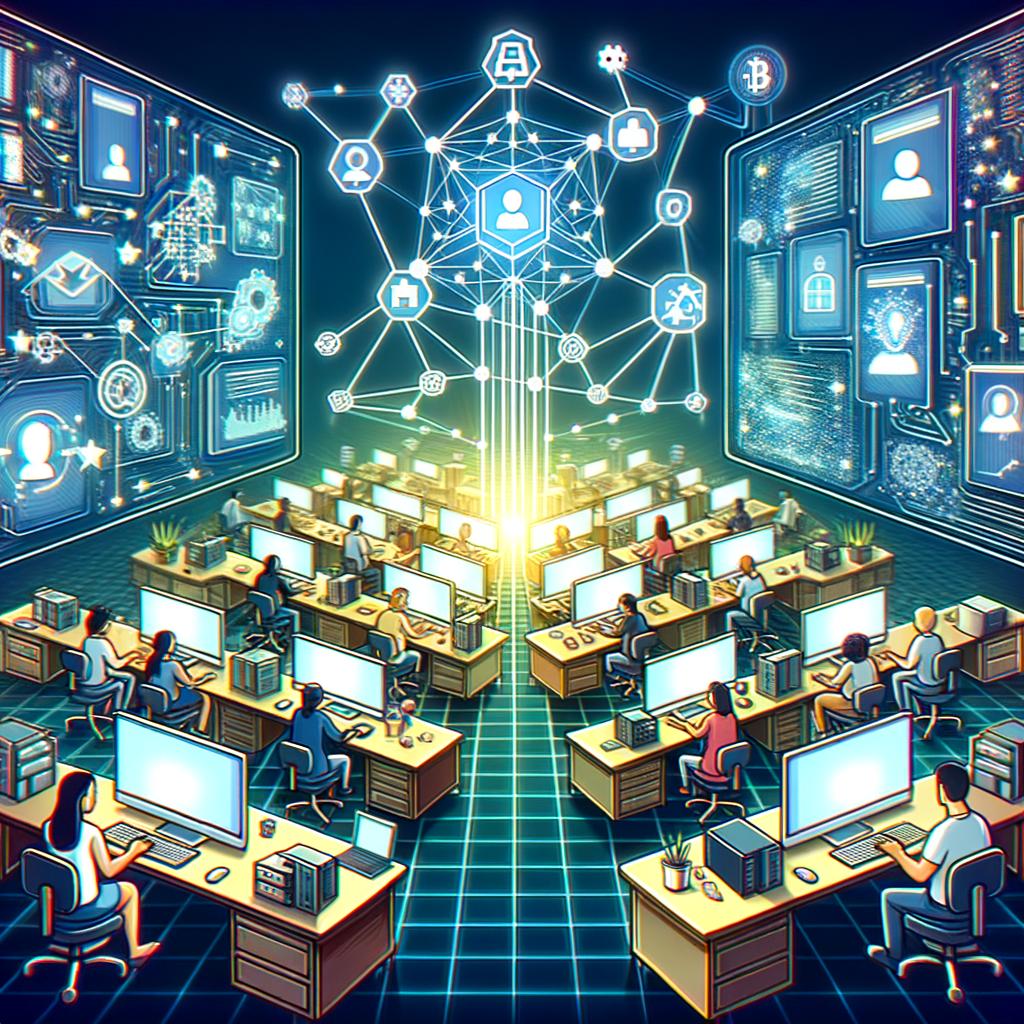
Enhancing User experience through Decentralized Algorithms
The implementation of decentralized algorithms within nostr’s framework significantly enhances the user experience by providing a multitude of advantages that challenge traditional paradigms. By employing algorithms that prioritize user input and decentralized data management, Nostr creates a system that inherently values user agency. This approach not only reduces the need for central authority intervention but also
ensures that user preferences play a pivotal role in content dissemination. Key features include:
- Personalized Content Curation: Algorithms tailored to individual user preferences facilitate a more relevant and engaging experience, allowing users to discover content that resonates with their interests.
- Adaptive Learning Mechanisms: Continuous feedback loops enable algorithms to evolve, adapting to changes in user behavior and preferences over time.
Moreover, the decentralized nature of the algorithms promotes transparency and accountability. Unlike conventional platforms where algorithmic decisions are often opaque, Nostr’s mechanisms are designed to be open and accessible. Users can better understand how content is prioritized, fostering trust between the platform and its community.Transparency in algorithmic decision-making ensures that users are not subjected to arbitrary rules or biases, promoting equitable content representation across the platform.Critical aspects of this transparency include:
- Open Source development: Users can engage with the code,contribute suggestions,or even propose improvements,creating a collaborative environment that thrives on community involvement.
- Feedback Integration: Users are encouraged to provide input, which can be directly factored into algorithm adjustments, ensuring that the system reflects the collective needs of its user base.
Additionally, enhanced privacy features embedded in the decentralized algorithms reinforce user confidence while navigating the platform. With the integration of advanced encryption technologies, users retain control over their data, ensuring that their facts is not exploited for profit or influenced by malicious actors. This layer of security diminishes the risk of data breaches and unauthorized access, aligning with the basic principles of user autonomy. Core aspects of these privacy features include:
- End-to-End Encryption: Ensures that messages and content remain confidential between users, protecting against eavesdropping and unauthorized surveillance.
- Data Ownership Models: Users maintain ownership of their content, granting them the robustness to manage and manipulate their digital footprint as they see fit.
Best Practices for Implementing Nostr in Modern Development
To effectively implement Nostr in contemporary software development, adopting a framework that prioritizes decentralized architecture is essential. This involves designing systems that are inherently tolerant to single points of failure by distributing data across multiple nodes. Key strategies include:
- Utilization of Peer-to-Peer Networks: Leveraging decentralized networking allows for resilience against censorship and enhances data integrity.
- Emphasis on Modular design: Building applications in a modular fashion can facilitate updates and improvements without necessitating a complete system overhaul.
- Integration of Open Standards: By adhering to open standards, developers benefit from interoperability, reducing the friction associated with integrating various components into a cohesive system.
In terms of user engagement, fostering a community-driven approach is paramount. Developers should actively solicit feedback from users to inform iterative design processes. Implementing features that allow users to participate in the development life cycle enhances ownership and satisfaction. Important practices include:
- Regular User Consultation: Engaging in discussions with the user base can reveal invaluable insights into user needs and preferences,leading to more targeted feature development.
- Clear Development Processes: sharing roadmaps and progress updates builds trust and encourages community involvement.
- Open Source Contributions: Encouraging external developers to contribute can diversify perspectives and enhance the functionality of the application.
to ensure long-term sustainability of projects built on the Nostr protocol, attention must be directed toward security and adaptability. This encompasses not only initial system development but also ongoing maintainance practices.A few vital considerations include:
- Continuous Security Audits: Regular audits can identify vulnerabilities early, reducing risks of breaches and fostering user trust.
- Adoption of Decentralized Identity Protocols: Implementing secure identity verification processes can protect user data while promoting anonymity.
- Scalable infrastructure: Designing systems to accommodate growth ensures that applications remain effective and performant as user demand increases.
The Future of Software Design: Nostr’s Role in Decentralization and Innovation
Nostr’s concerted effort to foster decentralization presents a paradigm that fundamentally shifts the focus of software design. By leveraging a decentralized framework,Nostr empowers developers to create applications that are not solely bound by the limitations of central servers or proprietary systems. This shift allows for unprecedented advantages, such as:
- enhanced Resilience: Systems built on decentralized protocols are inherently more resistant to failures, as the dispersion of resources reduces vulnerabilities associated with single points of failure.
- User Sovereignty: Users gain greater control over their data and interactions, promoting a more ethical and user-centric approach to software development.
- Interoperability: The adoption of standard protocols ensures that diverse applications can communicate seamlessly, paving the way for innovative solutions and integrations.
the architectural ethos of Nostr motivates developers to prioritize functionality and user experience over superficial aesthetics. This approach results in software that is not only more efficient but also more aligned with the practical needs of users. By addressing core software principles such as maintainability, scalability, and security, Nostr encourages the creation of systems that can adapt to evolving user requirements. As a result, developers can redirect their focus towards:
- Quality Code: The emphasis on robust architecture leads to the production of higher-quality, more maintainable code that can stand the test of time.
- User-Centric Features: Developers have the opportunity to explore features that enhance user engagement without the constraints of aesthetic guidelines dictating their design choices.
- Long-Term Viability: The shift towards substance fosters an environment where applications can thrive long after their initial release.
In fostering a culture of decentralization, Nostr paves the way for innovation that transcends traditional software paradigms. The open-source philosophy inherent in its design encourages collaboration and knowledge sharing, which can catalyze rapid advancements in technology. This collaboration fosters not only a richer ecosystem of applications but also nurtures a diverse community of developers who can collectively address the pressing challenges facing the digital landscape. By enabling:
- Collaborative Development: Effective teamwork among diverse contributors can lead to innovative ideas and rapid problem-solving.
- Continual Improvement: Ongoing contributions and feedback facilitate a cycle of refinement, ensuring that software remains relevant and efficient.
- Technological Equity: A decentralized model helps democratize access to technology, thereby fostering inclusivity and diversity within the tech community.
Nostr represents a significant evolution in the landscape of decentralized programming, highlighting an innovative approach that emphasizes functionality and interoperability over traditional aesthetic considerations. By prioritizing a streamlined and user-centric developmental framework, Nostr invites developers to rethink the fundamental principles of software design, thus fostering a culture that values practical application and resilience in decentralized systems.The implications of this shift extend beyond mere technical enhancements; they challenge existing paradigms within the software industry and prompt a reevaluation of how digital systems can be constructed and maintained.As we continue to explore the potential of this transformative protocol, it becomes evident that Nostr could play a crucial role in shaping the future of decentralized applications, fostering a more inclusive and efficient ecosystem that aligns with the core tenets of decentralization. Further inquiry into its development and adoption will be vital for understanding its lasting impact on both programming practices and the broader technological landscape. Get Started With Nostr