
Understanding the Fundamental Principles of nostr’s Decentralized Architecture
Nostr’s decentralized architecture introduces a reimagined framework for software design, prioritizing user autonomy and data integrity. By facilitating peer-to-peer interactions without intermediary control, Nostr cultivates an habitat where users can engage in transparent and secure communication. This paradigm shift emphasizes data ownership, allowing individuals to maintain command over their personal data and interactions, thereby reducing the risks associated with centralized data breaches and abuses.
Central to Nostr’s design is the concept of pub-sub (publish-subscribe) functionality, which allows users to disseminate and receive information without reliance on centralized servers. In this model, users can act both as content producers and consumers, enabling diverse channels of communication. The absence of a centralized authority not only mitigates the dangers of censorship but also facilitates innovation by unlocking opportunities for developers to create diverse applications that cater to varying user needs and preferences.This open approach encourages a collaborative ecosystem, where enhancements can be made by anyone, fostering rapid evolution in response to community feedback.
Moreover, the decentralized nature of Nostr promotes interoperability, allowing various platforms and applications to work cohesively within the ecosystem. This interconnectedness amplifies the reach and utility of decentralized applications, breaking down the silos often seen in traditional software environments. By aligning technological capabilities with user needs, Nostr’s framework aligns with principles of inclusivity and accessibility, striving towards a digital landscape where every voice can contribute to the broader discourse without fear of repercussion or exclusion.
Implications of Nostr for User Sovereignty and Data Privacy
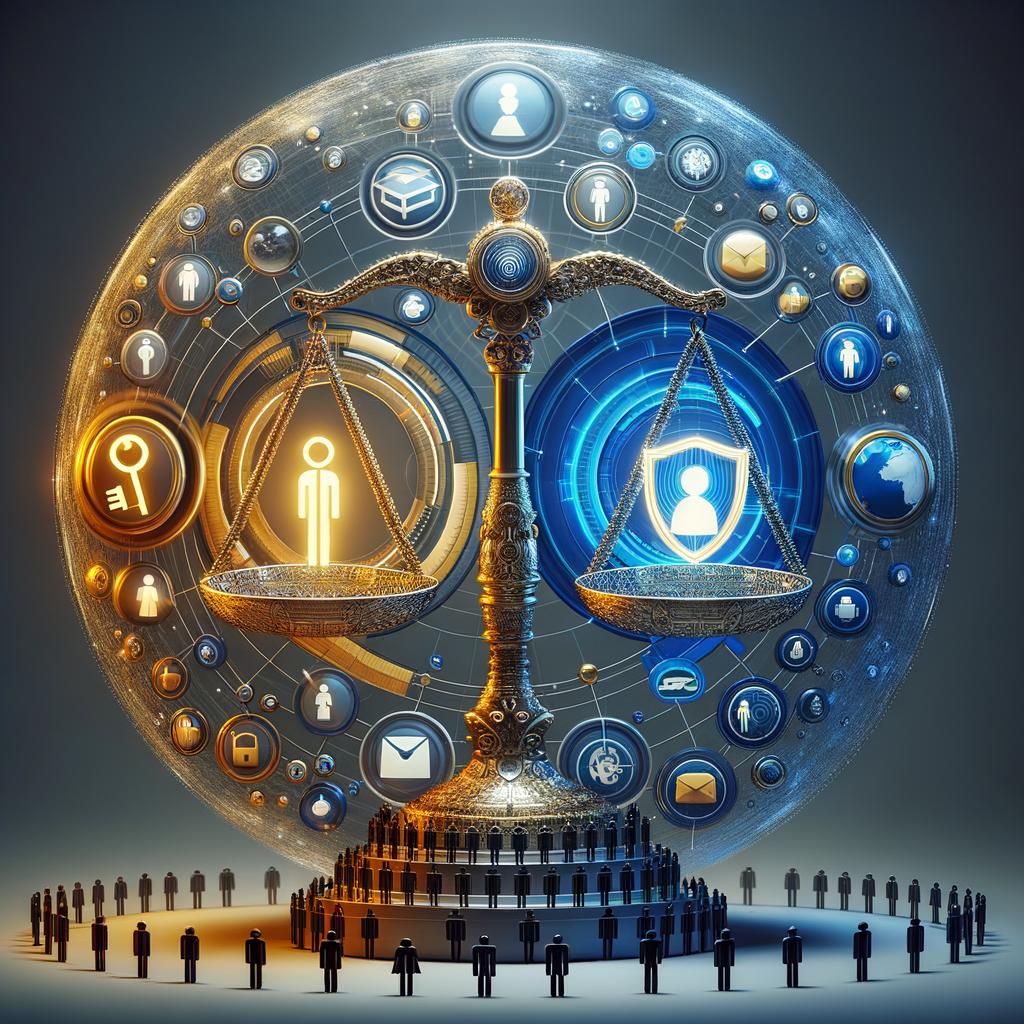
The advent of Nostr introduces profound implications for user sovereignty and data privacy. At its core, Nostr empowers individuals by granting them complete control over their data. Users are no longer mere products of centralized platforms that monetize their information; instead, they hold the keys to their personal content, ensuring that their digital identities remain intact and securely held. This shift not only enhances user autonomy but also diminishes the risks associated with third-party data breaches and unauthorized usage, where traditional models frequently enough fall short in safeguarding personal information.
Nostr’s architecture promotes a privacy-centric ethos by utilizing cryptographic signatures and decentralized storage mechanisms. This structure fosters an environment where users can communicate and share information without the pervasive surveillance endemic to centralized systems. The implications of this design paradigm extend into various realms,including the reduction of targeted advertising and the mitigation of data commodification. By allowing users to select what, when, and with whom to share their data, Nostr creates a more equitable digital ecosystem that respects individual privacy and personal agency.
Enhancing Innovation through Community-driven Development in Decentralized Systems
The decentralized nature of Nostr cultivates an environment where innovation thrives through community involvement. By empowering users to contribute directly to the development process, Nostr enables a collaborative approach that contrasts sharply with traditional, hierarchical software development models. In this framework, innovation is not confined to a select group of developers within a corporate structure; rather, it is indeed a collective effort where every participant has a stake in the creation and evolution of the platform.
This community-driven development model offers several notable advantages:
- Diverse Perspectives: Contributions from a wide variety of users bring unique ideas and solutions, enhancing the platform’s resilience and adaptability.
- Rapid Iteration: With decentralized control, developers can implement changes and improvements more swiftly than in traditional settings, responding to user feedback and emerging needs in real-time.
- Enhanced Accountability: Clarity in the development process fosters trust as users can directly observe the evolution of the platform and hold contributors accountable for their work.
Furthermore, this collaborative ethos aligns with the fundamental principles of open-source software, where community members can share code, propose enhancements, and collectively troubleshoot issues. As users engage with the platform and with each other,they not only drive innovation but also create a rich repository of knowledge and expertise. This communal knowledge base can lead to the emergence of new functionalities, improved security protocols, and tailored solutions that directly address the specific needs of diverse user groups. Through this synergy, Nostr exemplifies how decentralized systems can become catalysts for continuous innovation, changing the landscape of software development as we know it.
Strategies for Implementing Nostr in existing Software Ecosystems
To effectively integrate Nostr into existing software ecosystems, developers must prioritize a careful assessment of their current architectures. This process involves identifying areas where decentralized principles can enhance functionality and user experience. Specifically, teams should examine how to incorporate cryptographic signing mechanisms, enabling users to maintain ownership of their data while ensuring its integrity. Emphasizing these aspects will not only bolster security but also provide a seamless transition for users accustomed to traditional centralized systems.
Moreover, fostering interoperability between Nostr-based applications and existing platforms is essential. This can be achieved through the implementation of open APIs that allow for bidirectional data exchange. By utilizing such interfaces, developers can enable users to interact with both Nostr and conventional networks, mitigating the challenges associated with user adoption. Additionally, the adoption of cross-platform frameworks could facilitate the integration of Nostr functionalities into mobile and web applications, thereby extending the reach of decentralized systems.
Developers should also strategize communication and community engagement as a means of promoting Nostr’s implementation. Creating robust documentation and educational resources will empower users and developers to understand the benefits of decentralized models.Engaging with existing communities within the realm of decentralized technologies can provide valuable insights and foster collaboration. Organizing hackathons and workshops centered around Nostr could stimulate innovation while also attracting talent motivated by the principles of decentralization, ultimately leading to a thriving ecosystem.
Nostr represents a significant advancement in the realm of decentralized programming models, offering a robust framework characterized by its simplicity and effectiveness in fostering censorship-resistant applications. By leveraging key-signed messages and eliminating reliance on intermediaries, Nostr not only enhances security and privacy but also promotes a more open and interoperable digital landscape. as developers increasingly gravitate toward decentralized solutions, the influence of Nostr could catalyze a broader shift in how software is conceived, developed, and deployed, ultimately challenging traditional paradigms of Internet communication. The implications of such a shift are profound, raising important questions about ownership, control, and the future of digital interactions. As this ecosystem continues to evolve, ongoing research and exploration will be essential to fully understand and harness the potential of nostr in shaping a decentralized future. Get Started With Nostr