

In recent years, the cryptocurrency Bitcoin has experienced tremendous growth and seen an influx of investors. One of the exciting features of Bitcoin is the idea of “Bitcoin ordinals,” which many believe inscribes data onto its network. But how true is this? In this article, we look at the concept of Bitcoin ordinals, and answer whether or not they can inscription data onto sats.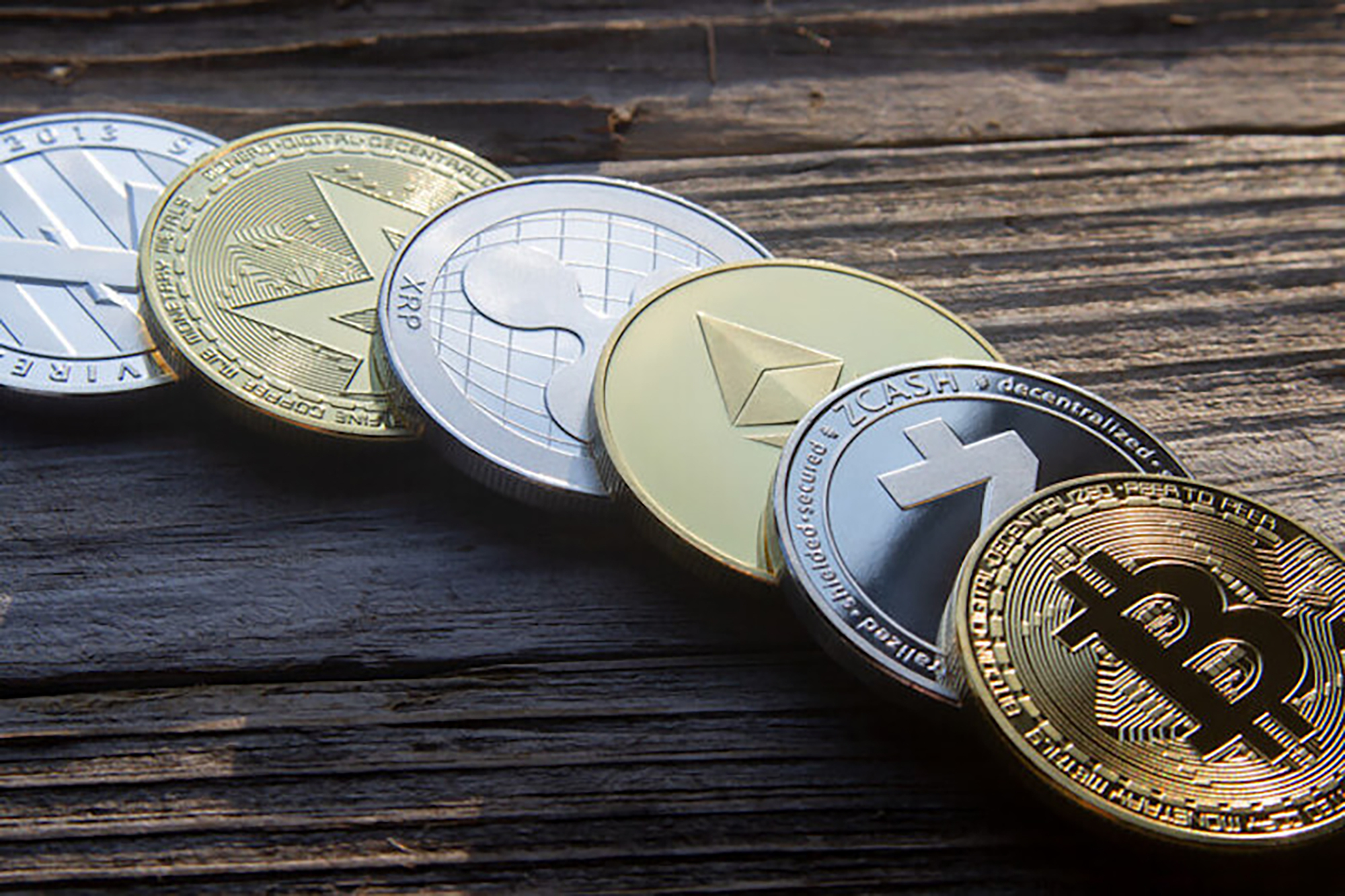
I. Understanding Bitcoin Ordinals
What is Bitcoin?
Bitcoin is a digital currency created in 2009, operating independently of any government or bank. It is decentralized, meaning it is not governed by any single entity, and users’ transactions are validated and managed via a public ledger known as a blockchain.
Bitcoin Ordinals Explained:
Bitcoin ordinals are the types of transactions that occur on the Bitcoin blockchain. These are typically divided into four categories, each providing a specific service to the network:
- Ordinary Transaction (OT) - executed whenever two parties exchange bitcoins between their own wallets
- Multi-signature Transaction (MST) - executed if two or more people are involved in the transaction
- Script Transaction (ST) - executed when payment is sent to a smart contract
- Atomic Swaps (AS) – executed when two different types of currency are exchanged between two wallets
These different types of transactions are necessary to make sure the Bitcoin network runs smoothly. An OT, for example, is used to simply transfer Bitcoin between two users. An MST allows for more complicated transactions involving multiple users, such as when transferring ownership of a property. An ST is used to facilitate a transaction between two parties by utilizing a smart contract, which is an agreement which is executed automatically once certain conditions are met. And Atomic Swaps are used for exchanging different types of digital assets.
The world of cryptocurrency can be overwhelming at times, due to all the jargon and terminology that is inherent to the technology. When it comes to Bitcoin ordinals, there are a few key misconceptions that need to be addressed.
Perception 1 – Bitcoin ordinals are too sophisticated to understand
- Contrary to popular belief, Bitcoin ordinals are quite simple. All an individual needs to comprehend are two basic concepts: the number of ordinals to be generated and the total order of these ordinals.
- The technology behind Bitcoin ordinals is no more complex than other software tools used in crypto transactions. The only difference is the notation of numbers used in the process.
Perception 2 - Bitcoin ordinals are difficult to use
-
- Bitcoin ordinals are acting like the alphabet - with a set of rules and a finite number of symbols to make sentences. When the same rules are followed, the user can easily create an ordinal in the blockchain.
- Generating Bitcoin ordinals is even more simple if there are user friendly external programs available.
Perception 3 – Bitcoin ordinals are unverifiable
-
- To the contrary, Bitcoin ordinals display the existence and order information of a transaction. They are nearly impossible to counterfeit, and each ordinal is traceable and immutable.
- Because every Bitcoin ordinal is stored in the blockchain, a digital ledger, it can be corroborated with ease.
What is a Bitcoin Ordinal? A Bitcoin Ordinal is a form of address used for issuing Bitcoin payments, allowing ownership of a Bitcoin address to be used. This address, in the form of a 32-character string, includes a number that represents the specific order, or ordinal, of the address in reference to other Bitcoin addresses.
What is a Sat? A sat is a unit representing one one-hundred-millionth of a Bitcoin. Each Bitcoin consists of 100,000,000 units called sats and can be referred to in various denominations, from a single satoshi (a hundred-millionth of a Bitcoin) to a BTC (whole Bitcoin).
Despite both a Bitcoin Ordinal and a Sat being numerical measurements related to Bitcoin, they have two distinct functions. Bitcoin Ordinals are only numbers used to reference Bitcoin in a specific order, while Sats are units of digital currency. As such, Bitcoin Ordinals do not inscribe any data onto Sats. An example of this is that when Bitcoin is sent to a Bitcoin Ordinal, the owner of the Ordinal will only receive Bitcoin - the Ordinal does not communicate any other data or detail to the payment such as:
-
- Recipient’s name and address
- Quantity of Bitcoin
- Other cryptocurrencies (e.g. Ethereum)
IV. The Need for Clarity on Bitcoin Ordinal Understandings
Bitcoin is still in its infancy, and as such there are a lot of questions surrounding its day-to-day function and usage. While the blockchain technology that underpins Bitcoin is well-defined, its users are continually exploring and refining new terms, ideas, and conventions. In particular, Bitcoin “ordinal understandings,” or the processes of accurately identifying and verifying transactions, remain a point of debate.
The need for clarity on these matters is paramount. Cryptocurrency transactions tend to involve large amounts of money, and it’s important that users are able to accurately track the status of transactions at all times. Without established parameters for verifying and confirming the completion of individual transactions, it would be impossible to ensure the integrity of the Bitcoin network.
Various entities are exploring ways to ensure the reliability of Bitcoin ordinal understandings. Open source projects seek to develop advanced cryptographic techniques, while some companies are starting to offer services that help to automate the verification process. It’s also likely that governments will become involved in the process as more countries look to adopt Bitcoin and other cryptocurrencies.
-
- Cryptocurrency transactions tend to involve large amounts of money.
- Open source projects seek to develop advanced cryptographic techniques.
- Governments will likely become involved in the process as more countries look to adopt Bitcoin.
In conclusion, Bitcoin ordinals do not inscribe data onto sats, though they are shaping the way that people are spending and receiving payments online. This system continues to evolve as the technology behind it improves. As such, it will be interesting to see how bitcoin ordinals further impact the way that transactions and payments are conducted.