

In a recent report released by the World Bank, the Nigerian currency has been identified as the most competitive in the past two decades. This significant development in the financial landscape has sparked interest and optimism within the international economic community. The assessment comes as a validation of Nigeria’s efforts to enhance its currency’s global standing and competitiveness. Let’s delve deeper into the details of this compelling evaluation by the World Bank.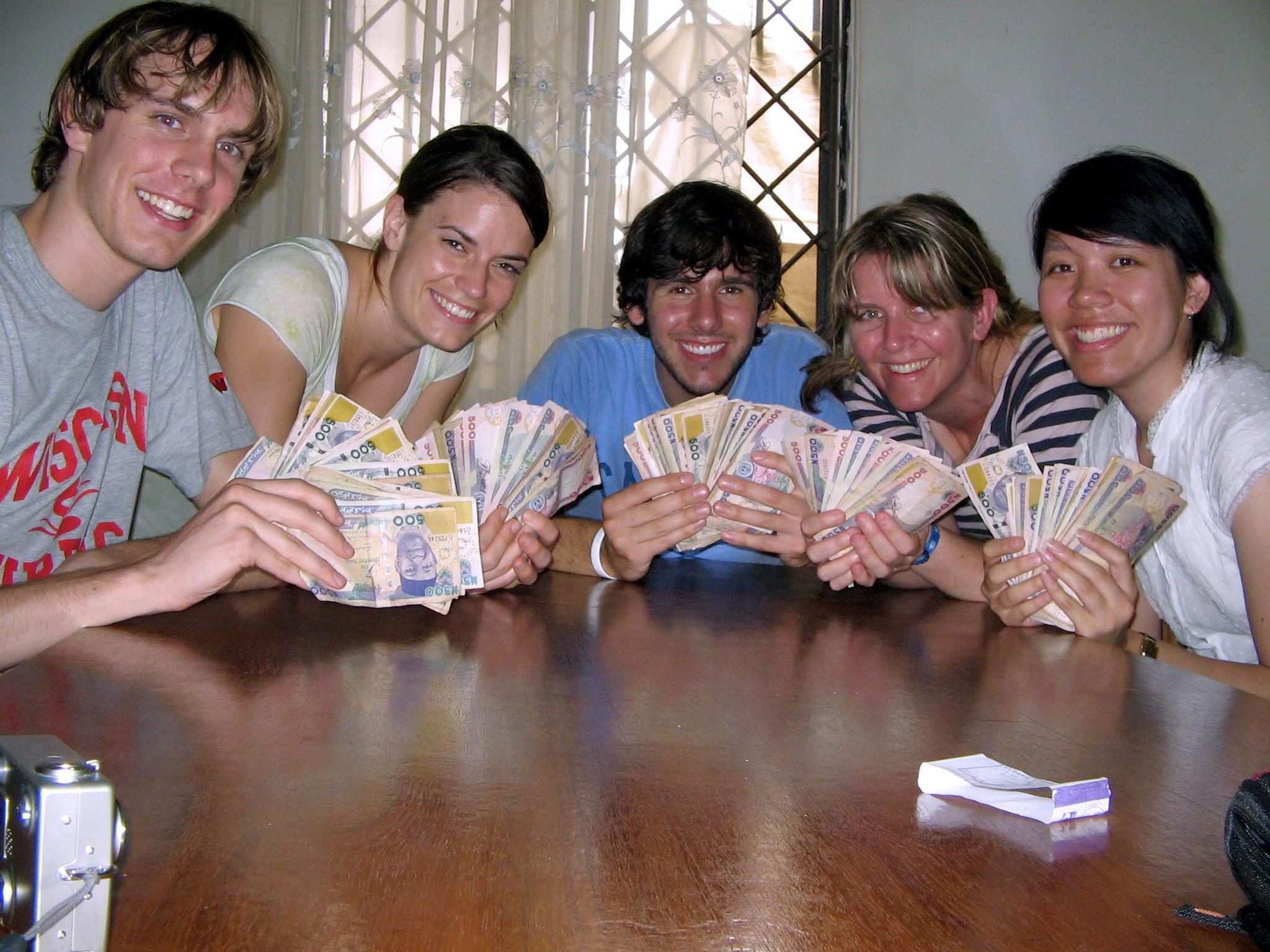
Nigerian Naira Emerges as the Most Competitive Currency in Two Decades, World Bank Reports
In the global economic landscape, the Nigerian Naira has recently made significant strides, positioning itself as one of the most competitive currencies in the last two decades. According to the latest report from the World Bank, the Nigerian Naira has shown remarkable strength and stability, outperforming many other major currencies on the international stage.
One key factor contributing to the Nigerian Naira’s competitive edge is the country’s efforts to enhance its economic policies and reinforce fiscal discipline. Through strategic measures and prudent financial management, Nigeria has been able to bolster the value of its currency and attract favorable attention from investors and financial institutions worldwide.
Moreover, the World Bank’s assessment highlights Nigeria’s commitment to structural reforms and sustainable economic growth, further solidifying the Nigerian Naira’s position as a resilient and promising currency in the global market. With ongoing initiatives aimed at fostering economic development and boosting investor confidence, Nigeria continues to demonstrate its financial resilience and potential for long-term growth.
Understanding the World Banks Analysis of Nigerias Currency Strength
The World Bank’s analysis of Nigeria’s currency strength reveals crucial insights into the country’s economic stability and global financial standing. Understanding these assessments is pivotal in grasping the factors influencing Nigeria’s currency value and its impact on both domestic and international markets.
Key points from the World Bank’s analysis highlight the following aspects of Nigeria’s currency strength:
- Economic Indicators: The report delves into various economic indicators that shape Nigeria’s currency performance, such as inflation rates, GDP growth, and foreign exchange reserves.
- Trade Balance: A significant factor considered is Nigeria’s trade balance with other nations, reflecting the country’s export-import dynamics and its implications on the currency’s valuation.
Moreover, the World Bank’s evaluation aids policymakers and investors in formulating strategies to mitigate risks and capitalize on opportunities in Nigeria’s currency market. By elucidating the nuances of currency strength analysis, stakeholders can make informed decisions that contribute to the nation’s economic resilience and sustainable growth.
Implications of Nigerias Competitive Currency on the Global Economic Landscape
In the wake of Nigeria’s competitive currency dynamics, the global economic landscape undergoes significant ripples of influence. The shifts in Nigeria’s exchange rate directly impact various sectors worldwide, shaping investment decisions and trade flows. This currency competitiveness sparks a series of reactions in international markets, reverberating across borders.
The fluctuating value of the Naira in the foreign exchange market triggers a chain reaction of adjustments in trade balances and economic policies. Export-dependent industries experience both challenges and opportunities, as their competitiveness on the global stage oscillates with currency fluctuations. Import-dependent economies feel the effects as well, as the cost of foreign goods and services responds to Nigeria’s currency positioning.
Moreover, the ripple effects extend to financial markets and foreign investments, as investors recalibrate their strategies in response to the evolving currency dynamics. The interplay between Nigeria’s competitive currency and global economic trends underscores the intricate dance of interconnectedness in the modern financial ecosystem. As market players navigate these shifts, the implications of Nigeria’s currency competitiveness continue to shape the broader economic narrative on a global scale.
Exploring the Factors Behind the Nigerian Nairas Remarkable Performance: A World Bank Perspective
The Nigerian Naira’s recent strong performance has captured the attention of global economists and financial analysts. The World Bank sheds light on the key factors driving this remarkable trend, emphasizing the following crucial aspects:
- Economic Reforms: The implementation of strategic economic reforms in Nigeria has played a pivotal role in enhancing the stability and value of the Naira. These reforms have bolstered investor confidence and contributed to a more resilient economic environment.
- Diversification Efforts: Nigeria’s concerted efforts to diversify its economy away from oil dependency have yielded positive outcomes for the Naira. The country’s focus on developing non-oil sectors and promoting sustainable growth has helped reduce vulnerability to external shocks.
- Policy Measures: The proactive policy measures adopted by the Nigerian government, in line with the recommendations of the World Bank, have been instrumental in supporting the Naira’s performance. Strong fiscal discipline, prudent monetary policies, and sound governance practices have been key drivers of the currency’s strength.
the assessment by the World Bank highlighting the Nigerian currency as the most competitive in 20 years sheds light on the country’s economic progress and stability. The recognition of the Nigerian currency’s strength in the global market signifies a promising outlook for the nation’s financial landscape. As Nigeria continues to bolster its economic policies and initiatives, the appreciation of its currency underscores a positive trajectory towards a more robust and competitive economy. Stay tuned for more updates on Nigeria’s economic developments and currency dynamics.