
Next Stop for DePIN: Taco Bell
In an unexpected intersection of the fast-food industry and technological innovation, Taco Bell is set to embrace the emerging decentralized physical infrastructure network (DePIN) model. This innovative approach, designed to enhance customer experience and streamline operations, signifies a bold move for the iconic brand as it seeks to redefine the future of dining. Leveraging state-of-the-art technology and customer-centric strategies,Taco Bell is poised to spearhead a new wave of restaurant evolution,bringing forth an era that marries traditional service with cutting-edge digital solutions. As the fast-food giant embarks on this transformative journey, stakeholders and industry observers alike are keenly watching how the integration of DePIN will influence not only Taco Bell’s operations but the broader landscape of swift-service dining.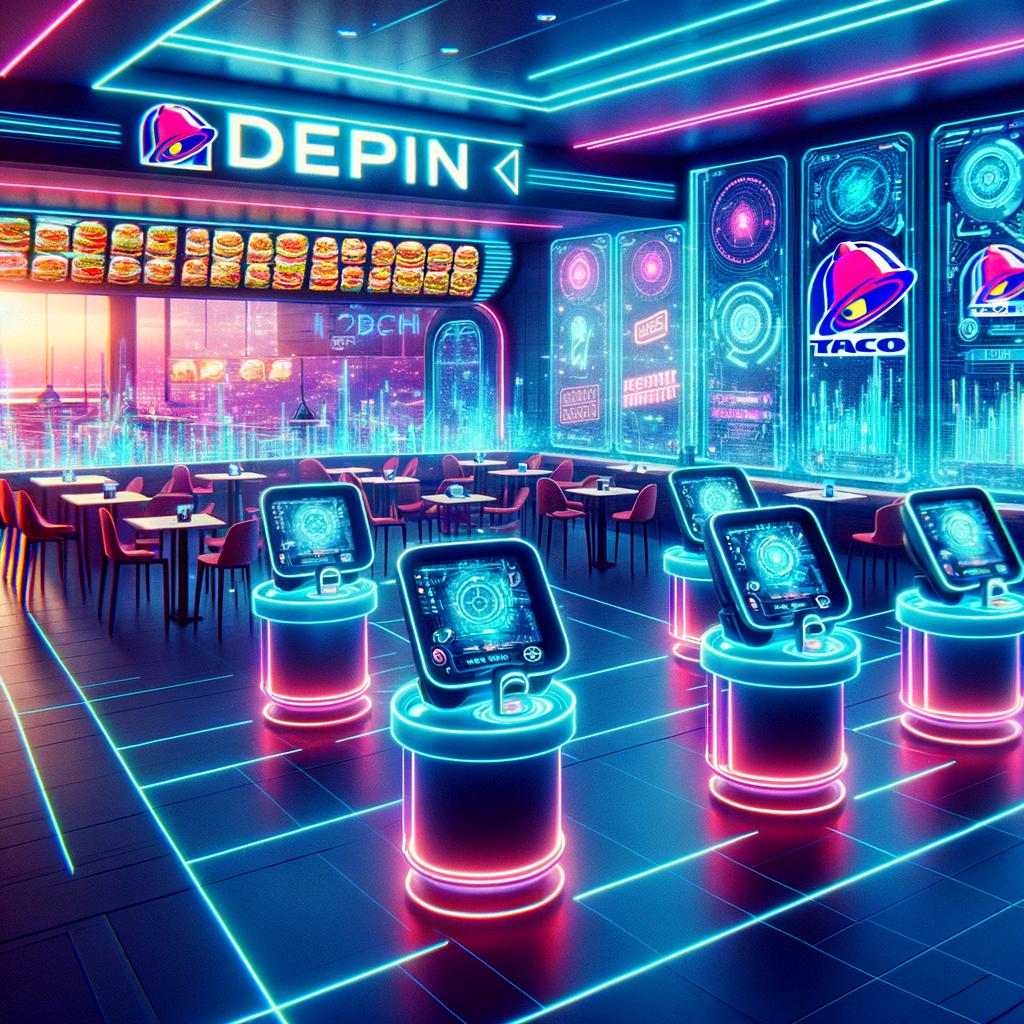
The Future of DePIN: taco Bell’s Strategic Integration
Taco Bell is embracing the concept of Decentralized Physical Infrastructure Networks (DePIN) as part of its broader strategy to enhance customer engagement and operational efficiency. This innovative approach harnesses decentralized solutions to gather and utilize data from various locations,including the integration of air quality monitoring systems.As the fast-food giant explores new technological landscapes,it positions itself at the forefront of a trend that promises to redefine how businesses connect with their environments and communities.
Key benefits of Taco Bell’s integration of DePIN into its business model include:
- Enhanced Customer Experience: By utilizing real-time data, Taco Bell can tailor its services to meet customer preferences more accurately, thereby improving overall satisfaction.
- Sustainability Initiatives: The incorporation of air quality monitoring systems aligns with the company’s goals of promoting healthier environments, reflecting a growing commitment to corporate social duty.
- Streamlined Operations: Decentralized networks enable better data flow between various locations, allowing for more effective supply chain management and resource allocation.
This strategic focus on decentralized infrastructure signals a broader commitment to innovation and adaptability in a rapidly evolving market. By leveraging DePIN, Taco Bell aims not only to enhance its operational capabilities but also to remain competitive against other fast-food titans. The integration of modern technologies illustrates a forward-thinking approach, possibly setting new standards for customer interaction and sustainability in the food service industry.
Transforming Fast Food: How Taco Bell Embraces Decentralized infrastructure
The fast food industry is witnessing a significant transformation as companies adopt innovative technologies to enhance customer experience and streamline operations.In this light, Taco Bell is taking proactive measures by integrating decentralized infrastructure into its business model. This move reflects a broader trend within the food sector, where firms are recognizing the necessity to embrace technological advancements that can both improve efficiency and meet changing consumer demands.
By leveraging blockchain and other decentralized technologies, Taco Bell aims to enhance transparency and speed in its supply chain processes.This level of visibility can help ensure that ingredients are sourced ethically and are of high quality, reassuring consumers who are increasingly concerned about the origins of their food. Furthermore,the use of smart contracts could automate various operational processes,allowing for quicker transactions and reducing the potential for errors in order fulfillment.
Additionally, Taco Bell’s engagement with decentralized infrastructure opens new avenues for customer interaction. The company is exploring concepts such as token-based loyalty programs, wich would enable customers to earn rewards in a decentralized manner, thus fostering a sense of community among its patrons. By staying ahead of technological trends, Taco Bell not only strengthens its brand loyalty but also positions itself as a leader in the fast food sector, ready to adapt to the ever-evolving market landscape.
Analyzing the Impact: What Taco Bell’s Move Means for DePIN and the Industry
Taco Bell’s recent adoption of decentralized physical infrastructure networks (DePIN) marks a significant milestone in the fast food sector, as it embraces advanced technological integrations.By incorporating DePIN, Taco Bell not only enhances operational efficiency but also aligns itself with the growing trend of digital transformation across industries. This strategic move is anticipated to influence other major brands seeking similar efficiencies through technology-driven solutions.
The implications of Taco Bell’s initiative extend beyond its own operations.As a prominent player in the fast food industry, Taco Bell’s foray into DePIN is likely to encourage competitors and industry peers to explore similar frameworks.This shift could lead to a broader acceptance and implementation of decentralized technologies within the hospitality and food sectors, promoting a ripple effect that fosters innovation and competitive adaptation among franchises. Companies may seek to leverage blockchain and integrated systems to streamline processes,enhance customer engagement,and reduce operational costs.
Furthermore, this advancement signals a shift in consumer expectations regarding service delivery and engagement. As digital technologies become more prevalent, customers increasingly demand transparency, speed, and personalization in their dining experiences. Taco Bell’s move toward DePIN reflects a commitment to meet these evolving consumer demands, which could ultimately reshape customer interaction models within the industry. Adopting such innovative solutions positions Taco Bell as a leader in pioneering new standards for service and operational excellence in a continuously dynamic market.
As taco Bell embarks on this innovative journey with DePIN technology, it underscores a significant transformation not only within the fast-food sector but across various industries. The integration of decentralized physical infrastructure networks promises to enhance operational efficiency, improve customer engagement, and leverage blockchain to foster a new era of transparency and accountability in service delivery. As this trend continues to gain momentum, it will be intriguing to observe how other major franchises, such as KFC, respond and adapt to this technological revolution. the collaboration between fast-food giants and advanced technology providers may well reshape the landscape of consumer interaction and business processes,paving the way for a future where automation and decentralization define the rhythm of industry evolution.