

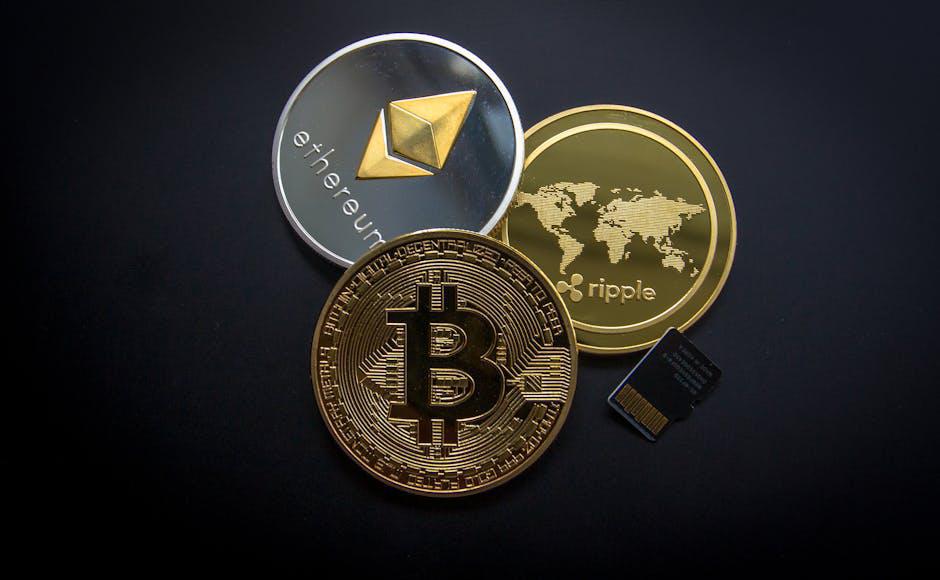
– How should individuals prioritize factors such as ease of use, transaction fees, and security when selecting a Bitcoin wallet?
**Navigating the Digital Landscape: Selecting the Ideal Bitcoin Wallet**
In the ever-evolving world of cryptocurrency, selecting the ideal Bitcoin wallet is paramount to safeguarding digital assets and ensuring a seamless experience. With a plethora of options available, understanding the different types of wallets and their respective features is crucial for making an informed decision.
Types of Bitcoin Wallets
Hardware Wallets:
* Offer offline storage, providing enhanced security against hacking and malware.
-
Typically more expensive than software wallets.
-
Examples: Ledger Nano X, Trezor Model T
Software Wallets:
-
Convenient and accessible from any device with an internet connection.
-
Less secure than hardware wallets, as they are vulnerable to online attacks.
-
Examples: Exodus, Coinbase Wallet
Paper Wallets:
- Physical documents containing private and public keys.
* Extremely secure, but inconvenient for frequent transactions.
- Not recommended for large amounts of Bitcoin.
Factors to Consider
Ease of Use:
- Consider the user interface and navigation of the wallet.
* Look for wallets that are intuitive and easy to operate.
Transaction Fees:
-
Different wallets charge varying fees for transactions.
-
Compare fees and choose a wallet that aligns with your transaction volume.
Additional Features:
-
Some wallets offer additional features such as multi-currency support, staking, and exchange integration.
-
Determine which features are important to you and select a wallet accordingly.
Security:
-
Security should be the top priority when choosing a Bitcoin wallet.
-
Consider the wallet’s encryption methods, two-factor authentication, and reputation.
Choosing the Right Wallet
The ideal Bitcoin wallet depends on individual needs and preferences.
- For maximum security and offline storage, hardware wallets are the best choice.
* For convenience and accessibility, software wallets are a suitable option.
- For long-term storage of large amounts of Bitcoin, paper wallets provide the highest level of security.
Conclusion
Navigating the digital landscape of Bitcoin wallets requires careful consideration of factors such as ease of use, transaction fees, additional features, and security. By understanding the different types of wallets and their respective strengths and weaknesses, individuals can make informed decisions and select the ideal wallet to safeguard their digital assets and ensure a seamless cryptocurrency experience.
Navigating the Digital Landscape: Selecting the Ideal Bitcoin Wallet
In the ever-evolving world of cryptocurrencies, selecting the right Bitcoin wallet is crucial for safeguarding your digital assets. With a plethora of options available, it’s essential to understand the different types and their respective features to make an informed decision.
Types of Bitcoin Wallets
Hardware Wallets:
Hardware wallets prioritize security by storing private keys offline, making them immune to online threats. They are ideal for long-term storage and substantial Bitcoin holdings.
Software Wallets:
Software wallets offer convenience and accessibility. Installed on computers or smartphones, they allow for easy management and transactions on the go. However, they are more susceptible to hacking and malware attacks.
Mobile Wallets:
Designed for ease of use, mobile wallets are smartphone-based and feature user-friendly interfaces. While less secure than hardware wallets, they are suitable for small amounts of Bitcoin or frequent transactions.
Factors to Consider
Security:
Prioritize wallets with robust security measures such as two-factor authentication, encryption, and insurance. These features protect your funds from unauthorized access and theft.
Ease of Use:
Choose wallets with intuitive interfaces and straightforward transaction processes. A user-friendly platform enhances your trading experience and reduces the learning curve.
Transaction Fees:
Compare transaction fees across exchanges to minimize costs and maximize profitability. Some exchanges offer discounts for high-volume traders.
Features:
Consider wallets that offer additional features such as:
- Trading tools: Indicators, charting options, and research tools empower you to make informed decisions.
- Payment options: Ensure the exchange supports your preferred payment methods and offers convenient withdrawals.
Conclusion
Navigating the digital landscape of Bitcoin wallets requires careful consideration of your needs and preferences. By understanding the different types, security features, and user-friendliness, you can select the wallet that best aligns with your individual requirements. Remember to stay vigilant and adapt your security practices as the digital realm continues to evolve. With the right knowledge and precautions, you can confidently manage and safeguard your Bitcoin assets.