

How do taxes and fees impact the monthly income received from an annuity?
**Monthly Income from a $300,000 Annuity**
Introduction
An annuity is a financial product that provides a stream of regular payments over a specified period of time. Annuities can be used to generate income in retirement, supplement other sources of income, or provide financial security for dependents.
How Annuities Work
When you purchase an annuity, you make a lump-sum payment to an insurance company. The insurance company then invests the money and uses the earnings to make regular payments to you. The amount of the payments depends on the following factors:
-
The amount of the lump-sum payment
-
The interest rate earned by the insurance company
-
The length of the annuity period
Monthly Income from a $300,000 Annuity
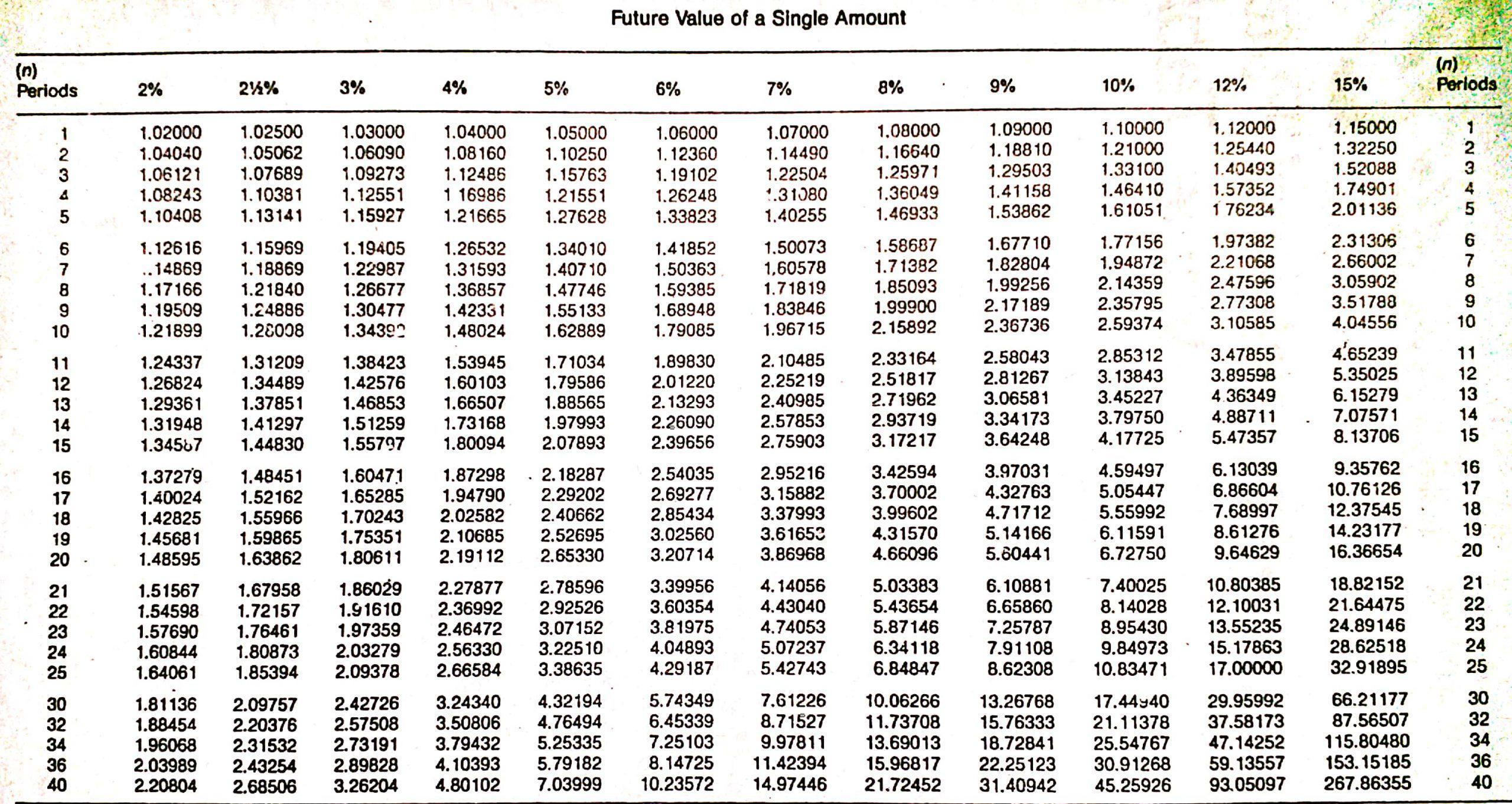
The monthly income you can receive from a $300,000 annuity will vary depending on the factors listed above. However, as a general rule of thumb, you can expect to receive between 4% and 6% of the lump-sum payment per year.
For example, if you purchase a $300,000 annuity with a 5% interest rate and a 20-year annuity period, you can expect to receive approximately $1,250 per month.
Factors to Consider
When considering an annuity, it is important to keep the following factors in mind:
- Taxes: Annuity payments are taxed as ordinary income. This means that you will need to pay taxes on the money you receive.
* Fees: Insurance companies may charge fees for annuities. These fees can reduce the amount of money you receive each month.
- Inflation: The value of annuity payments can be eroded by inflation over time. This means that you may need to increase the amount of your payments over time to maintain your purchasing power.
Conclusion
Annuities can be a valuable tool for generating income in retirement or supplementing other sources of income. However, it is important to understand the factors that affect annuity payments before making a decision. By carefully considering your needs and goals, you can choose an annuity that meets your financial objectives.
Maximizing Retirement Income from a $300,000 Annuity
Understanding Annuity Options
A $300,000 annuity can provide a substantial income stream for retirement. To optimize this income, it’s essential to understand the different types of annuities available:
- Immediate Annuities: Provide payments immediately, offering a guaranteed income stream.
- Deferred Annuities: Delay payments until a later date, allowing for potential growth and tax deferral.
Customizing Payment Options
The frequency and timing of payments can significantly impact your monthly income. Consider the following options:
- Payment Frequency: Choose monthly, quarterly, or annual payments based on your cash flow needs.
- Annuitization Options: Explore life-only, joint-life, or period-certain annuities to optimize income distribution and ensure financial security.
Strategies for Cash Flow Optimization
To maximize cash flow, implement the following strategies:
- Establish Clear Payment Terms: Ensure timely revenue collection by setting strict payment deadlines.
- Offer Incentives for Early Payments: Encourage customers to pay early by providing discounts or extended credit.
- Automate Payment Reminders: Send automated reminders to streamline collection processes.
- Forecast Cash Flow: Use financial planning tools to predict future cash flow patterns and make informed decisions.
- Negotiate Extended Payment Terms: Improve working capital by negotiating extended payment terms with vendors and suppliers.
Calculating Expected Drawdown
Before withdrawing funds from your retirement portfolio, it’s crucial to estimate the potential drawdown, or decline in value. Historical market data can provide insights into the likelihood and severity of drawdowns. Consider the following factors:
- Historical Drawdowns: Analyze the durations and magnitudes of previous drawdowns to anticipate potential future risks.
- Market Conditions: Assess the expected market performance and adjust your drawdown percentage accordingly.
Conclusion
The monthly income generated from a $300,000 annuity depends on various factors, including your age, health, and the type of annuity selected. By understanding these factors and implementing cash flow optimization strategies, you can maximize your retirement income and ensure financial security. Consult with a financial professional for personalized advice and to determine if an annuity aligns with your overall financial goals.