
Introduction:
In a groundbreaking exhibition at the Muscarelle Museum of Art, art enthusiasts and historians alike are invited to explore the innovative genius of Michelangelo through “Michelangelo: The Genesis of the Sistine.” This riveting showcase brings to the United States 25 rarely-displayed master drawings that illuminate the artist’s creative process behind the iconic frescoes of the Sistine Chapel. Visitors will have the unique chance to witness the initial studies and early sketches that paved the way for one of history’s greatest artistic achievements. As the exhibition dives deep into the rich narrative of Michelangelo’s work, it promises to offer an unprecedented glimpse into the mind of a master, making this a must-see event for anyone passionate about art and its enduring legacy.
Exploring Michelangelo’s Vision: Artistic Innovation in the Sistine Chapel
Michelangelo’s masterful work in the Sistine Chapel is a testament to his groundbreaking approach to Renaissance art. Through a combination of grand scale and intricate detail,he transformed the chapel into a vivid narrative of biblical creation and human experience. The ceiling murals, depicting scenes such as the Creation of Adam, demonstrate not only his remarkable skill but also his innovative use of composition and perspective. Each figure is imbued with dynamic movement, creating a sense of drama that draws viewers into the celestial story unfolding above them.
Along with his technical prowess, Michelangelo’s vision extended beyond mere aesthetics; he sought to convey profound theological themes through his artistry. His use of bold colors and dramatic lighting enhances the emotional depth of the scenes, inviting contemplation and connection. As one studies the figures’ expressive postures and interrelations, it becomes clear that Michelangelo was not just painting for decorative purposes but was rather crafting a spiritual experience. The Sistine Chapel stands as a landmark of artistic innovation, merging the divine with the human in a manner that resonates through centuries.
Unveiling the Techniques: How Michelangelo Defied Expectations
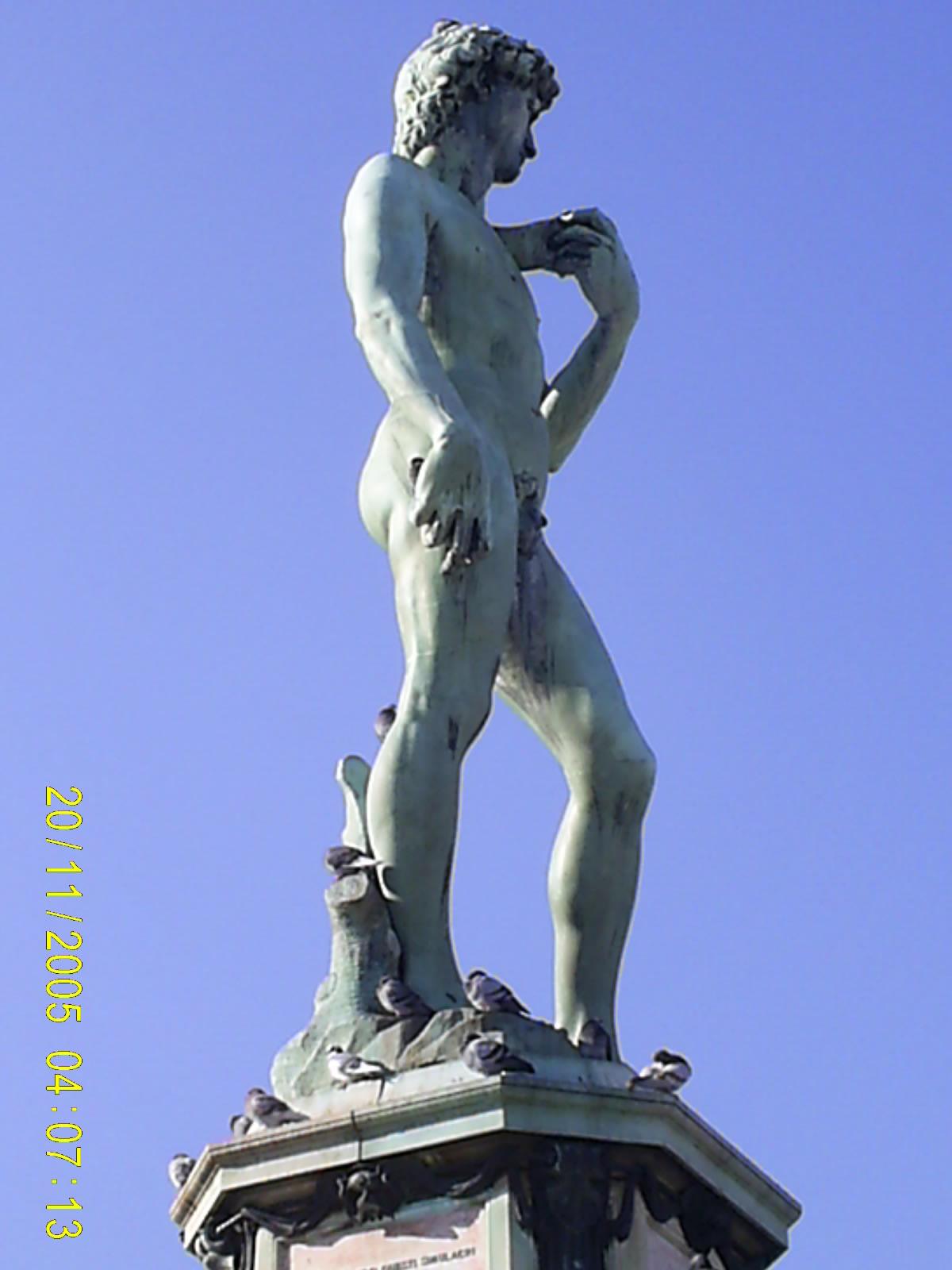
In an era when art was predominantly confined to the boundaries of tradition,Michelangelo emerged as a revolutionary force. His approach to the sistine Chapel ceiling serves as a testament to his ability to defy expectations and reshape the narrative of Renaissance art. By integrating a dynamic use of perspective and emotion, he transformed flat surfaces into vibrant stories, each panel breathing life into biblical tales. His groundbreaking use of foreshortening and an unorthodox choice of figures set him apart, pushing the boundaries of human expression and defying the established norms of his contemporaries.
Equally noteworthy is Michelangelo’s remarkable dedication to craftsmanship and his relentless pursuit of perfection. He embraced an innovative approach to pigments and fresco techniques, allowing him to create brilliant colors that captured the essence of the divine. His meticulous planning, demonstrated through preliminary sketches and models, paved the way for a cohesive narrative flow. The impact of his work extended beyond mere aesthetics, inviting viewers into an immersive experience that stirred profound emotions and reflections on spirituality and humanity. Such techniques not only showcased his genius but also cemented his legacy as a figure who challenged the status quo and redefined the potentials of art.
A Lasting Legacy: The Impact of the Sistine Chapel on Modern Art
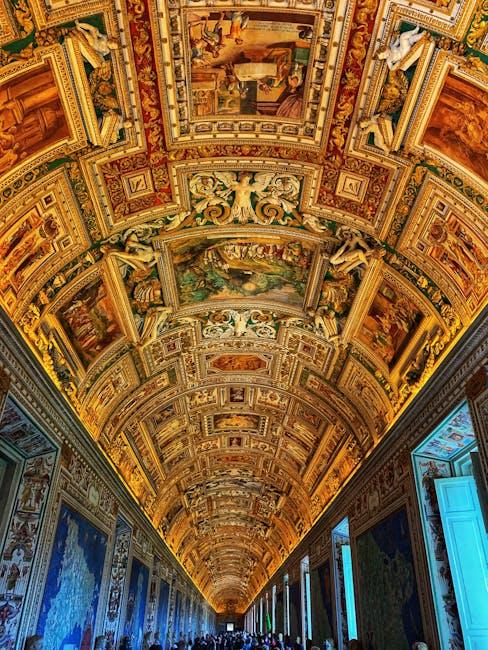
The Sistine Chapel, a pinnacle of renaissance artistry, continues to reverberate throughout the world of modern art. Michelangelo’s genius is epitomized in the chapel’s frescoes, which exhibit an extraordinary level of detail and emotional depth. Today, artists draw inspiration from his innovative techniques and audacious themes. The chapel not only revitalized the religious narrative but also introduced a dynamic discourse between the divine and the human experience, pushing the boundaries of creative expression in ways that resonate powerfully in contemporary works. Aspects such as dramatic lighting,contorted forms,and expressive gestures have become hallmarks for artists wishing to capture the complexities of life and spirituality.
The influence of this sacred space extends beyond traditional painting. it has permeated various media, inspiring filmmakers, graphic novelists, and digital artists to grapple with its themes of creation, fallibility, and redemption. the chapel’s imagery has become a universal language, speaking to the essential truths of human existence. Thus, Michelangelo’s vision catalyzed a movement that not only redefined art but also instilled in modern creators a profound sense of responsibility to engage with life’s most notable questions—a legacy that remains vital in artistic discourse today.
In Summary
As we reflect on the profound impact Michelangelo’s work has had on art and culture, the Genesis of the Sistine Chapel stands as a testament to human creativity and ambition. this monumental venture not only redefined artistic boundaries but also transformed the very essence of religious art. As we continue to unravel the complexities and intricacies of his masterpieces,it becomes clear that Michelangelo’s legacy extends far beyond the brushstrokes on the ceiling. His vision, perseverance, and unparalleled talent continue to inspire generations, reminding us of the power of art to transcend time and resonate with the human spirit. The sistine Chapel invites us not just to view a masterpiece but to engage with the profound stories and emotions it conveys,leaving an indelible mark on our collective cultural consciousness. In honoring this creator, we are reminded of the timeless dialogue between artist and audience, a conversation that remains as relevant today as it was in the Renaissance.