

In a staggering revelation that has sent shockwaves through the digital finance community, a recent data breach involving the compromise of 16 billion passwords has reignited concerns over the security of cryptocurrency platforms. As the industry continues to grapple with a series of high-profile hacks, this massive breach lays bare the inherent risks facing both individual investors and the broader crypto ecosystem. With the potential to undermine user trust and disrupt market stability, the incident underscores the urgent need for robust security protocols and thorough regulatory frameworks to safeguard sensitive details in an ever-evolving landscape. As stakeholders assess the fallout of this breach, it is indeed clear that the time for complacency has passed; proactive measures are essential to protect users and restore confidence in the digital currency space.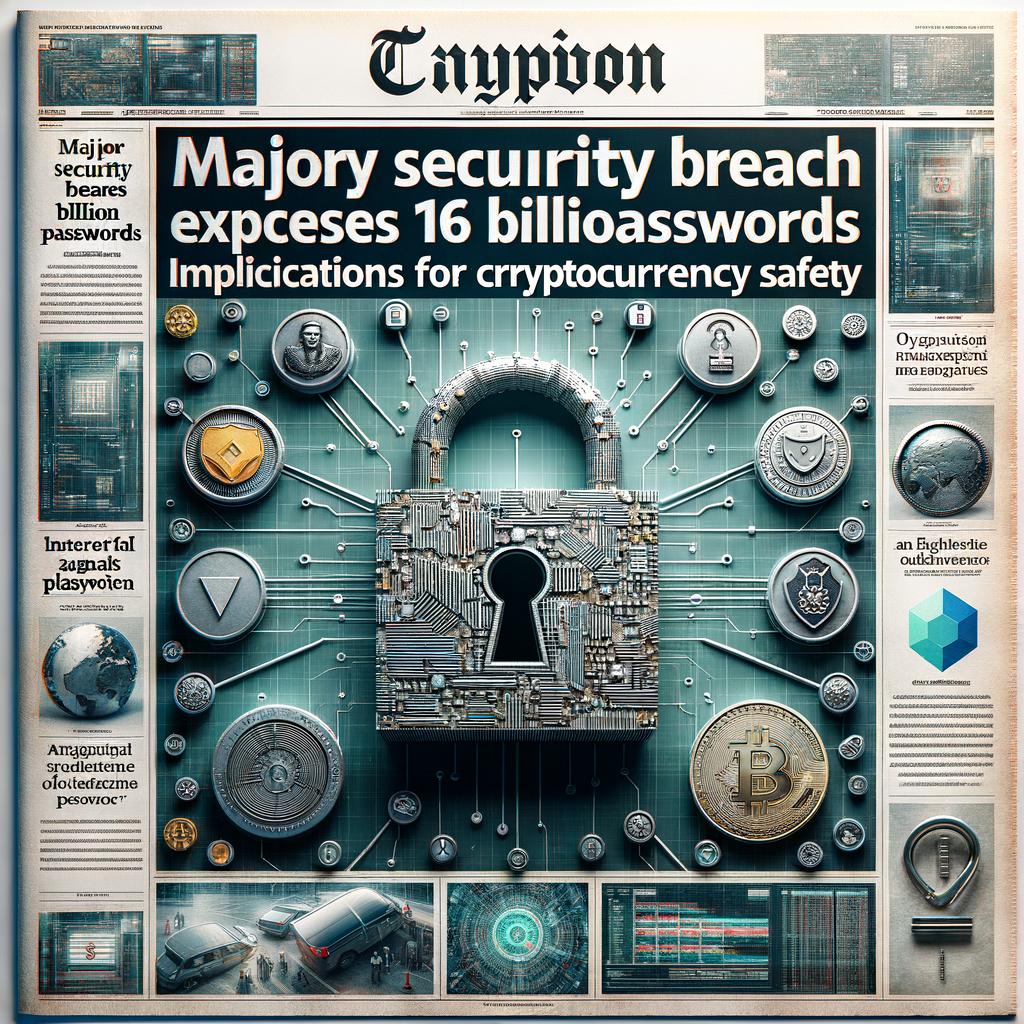
major Security breach Exposes 16 Billion Passwords: Implications for Cryptocurrency Safety
A recent security breach has revealed a staggering 16 billion passwords, raising important concerns about the safety of personal and financial information, especially in the realm of cryptocurrencies. This incident highlights the pervasive vulnerabilities that exist in digital security protocols, emphasizing the urgency for enhanced protective measures. With the cryptocurrency market being a prime target for cybercriminals, the implications of this breach cannot be overstated.
The leaked passwords, wich include a wide range of common and easily guessable phrases, underscore the importance of employing strong, unique passwords for every account. Security experts advise individuals and businesses engaged in cryptocurrency trading to adopt best practices for password management, including:
- Use of complex passwords: Passwords should combine letters, numbers, and symbols to create a stronger defense against brute-force attacks.
- Implementation of two-factor authentication (2FA): Additional verification steps can significantly enhance account security.
- Regular password updates: Changing passwords frequently can definitely help mitigate risks associated with potential breaches.
Moreover, this breach serves as a critical reminder for cryptocurrency exchanges and wallets to bolster their security infrastructures. Enhanced encryption methods and continuous monitoring of suspicious activities are paramount. As more users transition to digital currencies, the need for robust security measures will only intensify. In preparing for future threats, stakeholders in the cryptocurrency ecosystem must prioritize safeguarding sensitive user data to maintain trust and stability in this evolving marketplace.
The Scope of the Breach: Understanding the Threat to Digital Assets
The recent breaches affecting digital asset platforms have raised serious concerns about the security of cryptocurrencies and other blockchain-based assets.The sheer magnitude of these incidents underscores the vulnerabilities inherent in the rapidly evolving digital landscape. Cybercriminals are employing increasingly refined methods, targeting not only exchanges but also wallets and decentralized finance (DeFi) systems.The implications for investors and users are profound, necessitating a reevaluation of security protocols across the board.
As we dissect the various dimensions of these breaches, it is essential to note the following key points:
- Targeted Attacks: Criminals are honing in on specific vulnerabilities within platforms, such as outdated software and weak authentication systems.
- Data Exfiltration: Beyond financial losses, sensitive personal information is frequently enough compromised, leading to further risks including identity theft.
- Market Repercussions: The fallout from these breaches has a cascading effect on market stability, influencing prices and investor confidence.
The implications of such disruptions extend beyond immediate financial losses. Stakeholders must consider the long-term impact on regulatory measures and user perceptions. As breaches become more prevalent, regulatory bodies are under pressure to impose stricter guidelines, potentially forcing platforms to allocate significant resources towards compliance rather than innovation.
To mitigate these threats, it is indeed imperative for both users and platforms to adopt robust security practices.This includes implementing multi-factor authentication, enhancing encryption protocols, and regularly updating software to safeguard against known exploits. Additionally, education around digital asset security must be prioritized to empower users to protect themselves effectively in a landscape fraught with risk.
Expert Insights: Navigating Security Risks in the Crypto Landscape
In the evolving landscape of cryptocurrency, security risks have become increasingly prominent, demanding vigilance from investors and users alike. As the market attracts a growing number of participants, the sophistication of cyber threats continues to rise, necessitating a proactive approach to safeguarding digital assets. Experts highlight several critical vulnerabilities that individuals and institutions should be aware of:
- Phishing Attacks: Cybercriminals frequently employ phishing techniques to deceive users into revealing their private keys or access credentials. These attacks often manifest through fraudulent emails or websites that closely mimic legitimate exchanges.
- Exchange Vulnerabilities: Centralized exchanges remain prime targets for hackers due to their significant liquidity and the amount of customer funds held. Security breaches in these platforms can lead to significant financial loss for users who have not taken adequate precautions.
- wallet Security: Whether using hardware, software, or online wallets, the security of a user’s funds is only as strong as the measures taken to protect them.Investors must employ best practices, such as multi-signature wallets and secure backup procedures to mitigate risks.
Moreover, the emergence of decentralized finance (DeFi) protocols introduces unique challenges. Auditing smart contracts is essential to identify vulnerabilities that may be exploited by malicious actors. In the absence of centralized oversight,users must exercise caution,conduct thorough research on DeFi projects,and utilize platforms that prioritize security audits.
As cryptocurrency transitions into the mainstream,regulatory scrutiny is anticipated to increase. Compliance with evolving regulations can bolster security measures, but also poses challenges for innovative projects. Stakeholders must remain adaptable, ensuring they not only comply with legal frameworks but also implement robust security protocols that can withstand the dynamic threats of the crypto environment.
Future Considerations: Strengthening Security Measures in the Wake of the Incident
In the ever-evolving landscape of cybersecurity, recent incidents have underscored the urgent need for organizations to fortify their security measures. As threats become more sophisticated, a proactive approach is essential to safeguard sensitive data and maintain stakeholder trust. The implementation of advanced security protocols can significantly mitigate risks associated with cyber attacks.
To establish a robust security framework, organizations should consider the following strategies:
- Comprehensive Risk Assessments: conduct regular evaluations to identify vulnerabilities in existing systems, ensuring that security measures are aligned with the latest threat intelligence.
- Multi-Factor Authentication (MFA): Incorporate MFA across all access points to enhance security, making it more challenging for unauthorized individuals to gain entry.
- Employee Training and Awareness: Implement ongoing training programs aimed at educating employees about potential threats, such as phishing attacks, and the importance of adhering to security protocols.
- Incident Response Planning: develop and regularly update an incident response plan that outlines clear procedures for addressing security breaches swiftly and effectively.
Collaboration with cybersecurity experts can also play a pivotal role in bolstering security efforts. By leveraging external knowledge and tools,organizations can enhance their threat detection capabilities and response strategies. Moreover, adopting a culture of security throughout the association encourages vigilance among all employees, making security a shared responsibility rather than a standalone department.
the integration of emerging technologies such as artificial intelligence (AI) and machine learning can provide organizations with real-time insights into security threats. These technologies enable automated monitoring and rapid response, thereby minimizing the potential impact of a security incident. By embracing innovation and continuous improvement, organizations can better navigate the complexities of the cybersecurity landscape and protect their valuable assets.
In light of the staggering breach involving 16 billion passwords, the crypto industry stands at a crossroads that demands immediate and decisive action. This incident not only exposes the fundamental weaknesses in the security frameworks that protect digital assets but also serves as a clarion call for stakeholders across the sector.Enhanced security protocols and robust regulatory measures are no longer optional; they are imperative to safeguard user trust and the integrity of the market. As the landscape of cryptocurrency continues to evolve, it is indeed crucial that industry players come together to address these vulnerabilities head-on, ensuring that innovation does not come at the expense of security. Only through collective diligence and commitment can we hope to mitigate the threats that loom in the digital sphere and pave the way for a more secure future in the crypto space.