


What strategies can be used to manage portfolio risk in a volatile market?
Recently, markets have been experiencing significant volatility, leaving investors anxious. Several main stock exchanges have seen more than a 5% drop in the past month, and many investors are concerned about how to manage their portfolios in an unpredictable and often volatile market. On top of that, the uncertainty of the pandemic has created a challenging environment for the financial markets.
Investment portfolios have been greatly affected by the recent events. Many investors have seen the values of their stocks decrease while others have seen their investments become stagnant. The lack of clarity surrounding economic and market trends makes it difficult for investors to know the best way to manage their money.
Although the markets have been choppy, the right investments and strategies can help investors navigate the situation. Diversifying investments is an important and necessary step, as it will help minimize the potential downside of any one investment. Additionally, investors should look for stocks that are relatively more stable, preferably in defensive sectors like healthcare and utilities. Also, investors should consider investments with downside protection, such as options, in case of market shock. Experts also suggest regularly rebalancing their portfolios and investing for the long-term rather than the short.
Ultimately, investors should review their portfolio regularly and make the best decisions for their situation, based on solid research and sound financial advice. Although no one can predict the future of the markets, investors can take actions that will help protect their current investments and prepare for any upcoming volatility.
Lucid Motors had an underwhelming first quarter of 2021 in terms of deliveries of its electric vehicles (EVs). With demand concerns increasingly plaguing the EV maker, the first quarter’s deliveries were far below analysts’ expectations. This article will review Lucid’s Q1 results, explore the potential causes of their underwhelming performance, and discuss what tangible steps the company is taking to increase deliveries in the upcoming quarters.
1. Lucid Motors Misses First-Quarter Delivery Forecast
Tesla’s would-be rival Lucid Motors missed its first-quarter delivery forecast, despite strong reservations for its upcoming electric car. The automaker had hoped to deliver its Air sedan to consumers during the quarter, but was unable to meet that goal due to production delays.
The company’s CEO and CTO Peter Rawlinson explained that the company was unable to meet its timeline due to minor production issues. These issues included ensuring the Air’s battery cells, overall design and packaging and manufacturing processes meet the company’s strict safety, quality and design standards.
The quality of the vehicles is especially important after years in research and development, and the company has been known to take additional time to polish their vehicles. In spite of the delay, the company has not announced a new delivery timeline.
- The Technology
The technology behind the Lucid Air is monumental: it boasts amazing range, with up to 517 miles, and the ability to reach 60mph in 2.5 seconds. Additionally, its access to the Lucid mobile app will allow users to check state of charge, manage charging sessions and receive updates all from their phones.
- The Design
The Lucid Air is a stunning car, as well as a technical marvel. It boasts a graceful design and a sleek, low-profile shape. Inside, the car has a spacious cabin filled with gorgeous leather and wood that gives the car a luxurious look, and plenty of space for passengers.
Lucid Motors also plans to launch several additional models of the Air, with different levels of performance and pricing. These models will give consumers more options for electric cars, and can potentially be more competitive to the existing offerings in the market.

2. Tesla Competition Facing Unexpected Weak Demand
Tesla’s challenge to break into the commercial vehicle market is facing an unexpected setback. The lack of demand for Tesla’s trucks is curbing enthusiasm for an all-electric future.
Just a few months ago, Tesla unveiled its new electric commercial semi-truck, the Semi, with much fanfare. The launch event established Tesla as a major player in the industry, as the company’s promise of superior performance and a long-haul range of 500 miles captivated truck operators around the world.
However, the trucking industry has been slow to embrace the Semi. Since its launch, a mere handful of orders have been placed, and many potential customers are reserving judgement until they see a finished product. There are a few factors that may be contributing to lukewarm reception.
- Tesla’s high price tag – the Semi comes with a hefty price tag, and many operators are hesitant to make such a large investment in the nascent technology.
- Lack of a track record – Tesla has yet to prove that its vehicles can stand up to the rigours of long-haul trucking.
- Infrastructure requirements – the Semi requires access to special charging stations, which trucking companies may not yet have.
The good news for Tesla is that interest in the Semi is strong and appears to be growing. By addressing the issues outlined above, Tesla may still yet make good on its promise to revolutionise the trucking industry.
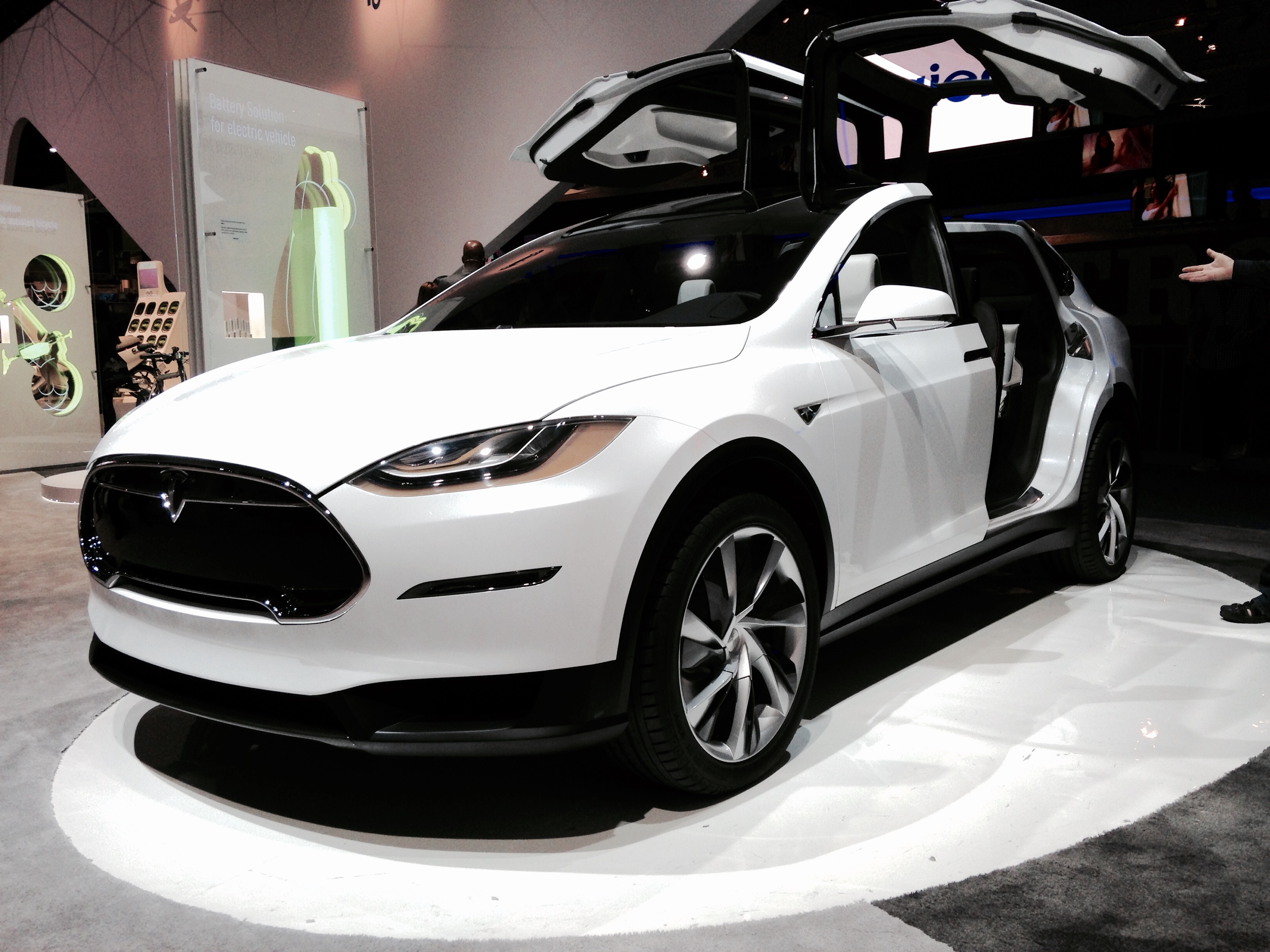
3. Electric Vehicle Maker Grapples With Concerns Over Waning Demand
Electric vehicle makers have faced a growing challenge in recent months in the form of waning demand. While many early adopters have joined the revolution, rising prices and reduced government incentives have led to cooling consumer interest, threatening the worldwide growth of the industry.
Increased Cost of Ownership
One of the primary issues EV manufacturers face is the steep ownership costs for many popular models. Most EV offerings cost a premium over their gas-powered counterparts, and their total cost of ownership (TCO) is often much higher than that of a conventional car. With fewer government incentives and rising sticker prices, consumers may be reluctant to invest in an electric vehicle.
Range Anxiety
Another challenge facing EV makers is range anxiety, or the fear that an electric car’s battery will run out of power before it is able to reach its destination. EVs are limited to short distances between charges, and this can be concerning for drivers who are used to filling up their gas tanks. Many potential buyers are deterred by the idea of being stranded on the side of the road with a dead battery.
Lack of Public Charging Stations
Another inhibitor to EV sales growth is the lack of public charging stations. Even if drivers are comfortable using their home’s charging outlet, many are unwilling to take the risk of draining the car’s battery when there are few options for recharging on the road. As a result, many consumers must depend on their traditional gasoline-powered vehicles.
Developments in Automotive Tech
The advent of self-driving vehicles and other advancements in automotive technology are also putting pressure on EV makers. Autonomous cars are becoming more and more of a reality and could potentially render EVs obsolete in a few years. Additionally, electric vehicles may not be able to compete with their gas-powered counterparts when it comes to performance and handling.

4. Lucid Struggles to Meet Financial Objectives in the First Quarter
Q1 is usually a difficult period for most business entities, and Lucid Technologies is no exception. In 2021, the tech firm has to contend both with market uncertainty and macroeconomic headwinds.
- Diminished Resources – Lucid needs to quickly identify new revenue streams, as well as ways to reallocate resources. The company had a successful 2020, but the funds set aside for new investments are finite.
- Growth Slowed – The company’s decision to invest heavily in R&D has reduced the flexibility of its portfolio. As a result, Lucid is having difficulty adapting to changing conditions in the market, and its growth strategies have not been as successful as anticipated.
- Declining Profitability – It is no secret that Lucid has struggled to meet its financial objectives. The firm’s gross margins have seen a sharp decline, and its ability to sustain profitability is being tested.
The emergence of a new competitor has only compounded Lucid’s struggles. Market share and revenue growth have stagnated. Furthermore, the company is having difficulty keeping up with the development of its rivals. As a result, Lucid is forced to make adjustments to its strategies and operations.
Lucid’s senior management is working hard to ensure the company’s financial stability during the current quarter. It has implemented cost-saving measures and is actively pursuing new investment opportunities.
The tech firm’s most pressing challenge, however, may be its outdated business model. Overhauling Lucid’s approach is a daunting undertaking, and it remains to be seen if the company can adapt its systems and structures in time for Q2.
5. Scrutiny of Lucid’s Performance Hinders Growth Prospects
As a business, Lucid’s success depends on its ability to exceed expectations. However, a growing tendency towards high scrutiny of the firm’s performance undermines the potential for growth. Here are 5 key considerations:
- Profitability: Tighter market conditions have led to ardent scrutiny of project profitability and its effects on retention. Investors remain cautious, concerned by the prospect of poor returns.
- Risk Management: Risk management policies are increasingly subject to examination, sometimes leading to extreme precaution at the expense of taking calculated risks.
- Time Commitment: From production and design to marketing and promotion, the strain of these roles can lead to mismanagement of resources and effort. This can cause long-term damage to the business.
- Information Technology: Digital solutions can quickly become obsolete and must regularly be updated as technology and user behaviors evolve. Failure to stay ahead of the times can be costly and damaging.
- Deployment Practices: Poor deployment practices can hurt growth. For example, manual and inefficient processes can often lead to faulty results, hampering the pace and quality of work.
Overall, the company’s performance should be balanced with short-term and long-term objectives, timely and accurate reporting on activities, and a sustainable budget. The current climate has led to a greater burden of compliance and higher expectations of results. Lucid’s decision-makers must strive to find the right balance, or risk stifling any future progress.
6. EVs Lose Momentum as Lucid Outlook Remain Cautious
Electric vehicle (EV) adoption is facing a new hurdle as Lucid Motors cautious outlook casts a negative light on the emerging industry. Lucid’s own ambitious plan to become the third largest electric vehicle manufacturer has been downgraded, with CEO Peter Rawlinson expressing caution. The move follows other setbacks for electric vehicles, including the impact of Biden’s tax credits proposal.
Before the Biden proposal, electric vehicle drivers were eligible for a tax credit of up to $ 7,500, while purchase of traditional cars was subject to higher taxes. However, Biden’s proposal involves substantially lowering these incentives, reducing their appeal among consumers.
Another factor weighing on electric vehicle adoption is range anxiety. EVs are commonly limited to shorter than normal ranges, resulting in headaches for drivers looking to take longer trips. Range anxiety is compounded by the limited number of electric vehicle charging stations.
Batteries present a further obstacle for electric vehicle manufacturers – the high cost of batteries puts EVs at a competitive disadvantage compared to traditional cars. The Biden administration’s proposal of funding for battery cells and electric vehicles is unlikely to have a significant impact on the price of vehicles.
The outlook for electric vehicle adoption remains uncertain, as Lucid Motors and other automobile manufacturers reassess the viability of their plans. At the same time, automakers are searching for innovative solutions and partnerships to help them gain an edge in the market.
7. Can Lucid Maintain Growth Despite Plummeting Demand?
As Lucid enters a new era of its business, the question remains – can the company maintain its growth despite plummeting demand?
It’s no surprise that the global pandemic has had a profound effect on the economy, and the auto industry is no exception. But Lucid has prospered in the face of this challenge, pivoting to take advantage of technology to deliver an even premium product experience. With demand for cars steadily dropping, Lucid has had to look to new markets and industries in order to maintain its growth trajectory.
The first area Lucid has targeted is the commercial vehicle market – a sector traditionally dominated by traditional auto-makers. By leveraging its engineering and design expertise, the company has developed several brand new models, tailored to the needs of corporate fleets and businesses. With these vehicles, Lucid has already begun to carve out a significant market share.
Lucid has also turned its attention to personal transportation, rolling out a range of economical electric vehicles specifically designed to be accessible to commuter customers. Moreover, the company is exploring opportunities to integrate its products into other markets, such as ride-sharing and delivery services. Both of these avenues offer sustainable solutions for keeping demand up, even as the overall market for cars continues to shrink.
Lucid’s impressive growth is also strongly underpinned by its commitment to sustainability. The company is ahead of the pack when it comes to adopting green technologies and materials, producing vehicles designed to minimize their effect on environment. In addition, Lucid is working to reduce the cost of its products and make them more accessible to the mass market. All of these measures combine to create a positive outlook for the company, allowing it to remain competitive in an increasingly volatile market.
8. Lucid Stocks Take a Hit as Disappointing Results Underwhelm Investors
Lucid’s stock took a tumbling after the company released disappointing quarterly results. Even though revenue climbed drastically compared to the year before, it was not enough to convince investors of the stock’s buying potential.
Declining Valuations – Lucid’s stock plummeted 14% in after-hours trading after the company reported zero earnings per share compared to the expected 9 cents.
Underperformance – Analysts explained that the stock’s underperformance on the day of the announcement was caused by an inability to meet investor expectations.
Pressure from Competitors – Lucid is facing pressure from competitors investing heavily in high-tech technology, which has reduced the company’s competitive edge. In addition, the company’s over-reliance on traditional sources of revenue have been exposed due to the emergence of newer, more efficient sources of capital.
What’s Next? – While the stock’s quick plunge was dramatic, some analysts remain bullish on the company’s long-term growth prospects. Lucid will need to adapt to the changing market dynamics to be able to meet investor expectations and remain competitive.
- The company must leverage existing technology to expand into new categories.
- Reinvent its current business and product lines.
- Secure capital investments to drive innovation and increase market share.
Overall, Lucid’s first-quarter deliveries have been underwhelming, as a variety of concerns, including demand-side issues, are dampening investor confidence and limiting the company’s growth potential. It remains to be seen whether Lucid can turn the tide in the second quarter, or if the company will be forced to adjust its strategy in order to remain competitive in the EV market.