
In a critically important move toward digital finance, Bolivia has announced the development of its own digital currency, signaling a shift in the region’s monetary landscape. Meanwhile, Brazil is taking a major step in the cryptocurrency markets with the approval of futures contracts for Solana and Ether. These developments highlight Latin America’s increasing engagement with digital assets and innovative financial instruments, positioning the region at the forefront of the global cryptocurrency revolution.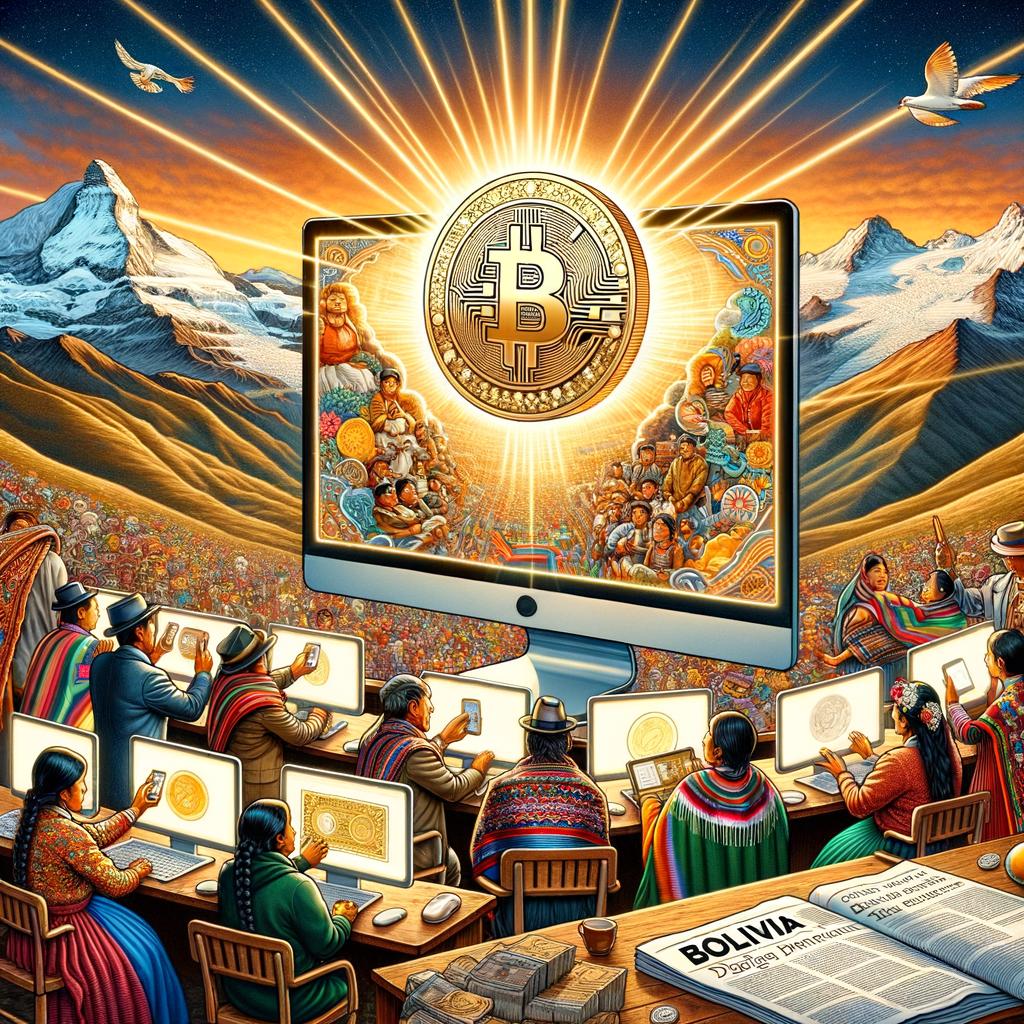
Bolivia’s Bold Step: The Introduction of Digital Currency
in a remarkable shift towards modernization, Bolivia has embarked on the journey of adopting a digital currency, aiming to enhance its financial ecosystem. The government believes that a state-backed digital currency will facilitate transactions,increase financial inclusion,and reduce the reliance on cash. This initiative is part of a broader strategy to digitize Bolivia’s economy and furnish its citizens with more accessible financial tools.
Officials have outlined several benefits expected from this digitization effort. Among these are:
- Increased Efficiency: Digital transactions are typically faster and more efficient then conventional cash transactions.
- Cost Reduction: The introduction of a digital currency can lower operational costs related to printing and managing physical currency.
- Financial Inclusion: A state-backed digital currency can reach unbanked populations, providing them with the means to participate in the economy.
Despite its potential advantages, the transition to a digital currency also poses significant challenges. Concerns regarding cybersecurity, the need for robust technological infrastructure, and the establishment of effective regulatory frameworks are critical issues that need addressing. As Bolivia steps into this new financial frontier, it must navigate these complexities carefully to ensure that the digital currency serves its intended purpose while fostering trust among its citizens.
Brazil’s Financial Evolution: Approval of Solana and Ether Futures
In a significant stride towards the integration of cryptocurrencies into mainstream finance, Brazil has approved futures trading for two major digital currencies: Solana and Ether. This move marks an essential milestone in Brazil’s ongoing financial evolution, reflecting a broader acceptance of decentralized finance. The approval, granted by the Brazilian Securities and Exchange Commission (CVM), signals a shift in regulatory attitudes toward cryptocurrencies, aligning the South American nation with global trends in the digital asset landscape.
Market analysts have noted several implications of this approval. Firstly, the introduction of futures contracts for Solana and Ether is expected to enhance liquidity in Brazilian cryptocurrency markets. Traders will benefit from new opportunities to hedge against price volatility, which is notably vital given the notoriously fluctuating nature of digital assets. Furthermore,this development can perhaps attract institutional investors who have been waiting for a more regulated framework before entering the crypto space.
Beyond immediate market reactions, the approval of Solana and Ether futures could pave the way for further regulatory advancements in Brazil.As authorities continue to establish clearer guidelines for the cryptocurrency sector, industry participants may feel more secure in exploring innovative financial products. This could ultimately lead to a more robust ecosystem that supports both established cryptocurrencies and emerging projects, encouraging further investment and participation from both local and international players in the digital asset market.
Impact on LATAM Markets: What This Means for Investors
As Bitcoin operates within a new framework shaped by regulatory developments and increasing adoption, its impact on LATAM markets becomes more pronounced. The economic volatility experienced in many Latin American countries creates a unique landscape for cryptocurrency investment. Bitcoin serves as both a hedge against local currencies and an attractive option for overseas remittances, fostering greater financial inclusion. Investors in the region are leveraging this decentralized currency to mitigate the challenges posed by inflation and currency devaluation.
In addition to the advantages of using Bitcoin as a stable asset,LATAM countries are witnessing a surge in local crypto-friendly regulations. Governments like that of El Salvador have already adopted Bitcoin as legal tender, paving the way for other nations to consider similar measures.This regulatory framework can considerably enhance investor confidence, encourage institutional participation, and create a sanctioned environment for cryptocurrency trading. Increased legitimacy and acceptance may lead to higher market liquidity,compelling investors to reassess traditional investment strategies.
Moreover, as the global Bitcoin market transitions into a mature phase, LATAM investors have a unique opportunity to capitalize on emerging trends. Key factors such as rising internet penetration, a youthful demographic eager for technological adoption, and favorable remittance flows can combine to create fertile ground for cryptocurrency growth. Investors must pay close attention to these dynamics and remain agile to anticipate market shifts.By staying informed and adaptive, they can harness the potential of Bitcoin to drive significant returns in the evolving LATAM financial landscape.
The Future of Cryptocurrency in Latin America: Opportunities and Challenges
Latin America presents a unique landscape for the evolution of cryptocurrency, largely fueled by economic instability and a desire for financial independence. In many countries, such as Venezuela and argentina, hyperinflation and currency devaluation have incentivized residents to seek stable alternatives. Bitcoin and other digital currencies offer a solution, enabling individuals to preserve their wealth and transact without the constraints of traditional banking systems.This surge in interest is reflected in the growing number of users and businesses accepting cryptocurrencies as a means of payment.
however, the path to widespread adoption is not without obstacles. Regulatory uncertainty remains a significant barrier, as many governments in the region grapple with how to approach cryptocurrency. Some nations, like El Salvador, have embraced bitcoin as legal tender, while others are still cautious, imposing strict regulations that hinder innovation and user engagement. The lack of a unified regulatory framework can create confusion among investors and hinder the growth of local crypto exchanges, making it difficult for potential users to navigate the market.
Moreover, infrastructure challenges present additional hurdles to cryptocurrency adoption in Latin America. Limited internet access and technological resources can restrict participation in the digital economy, especially in rural areas.Furthermore, security concerns surrounding cybercrime and scams can deter potential users. To overcome these challenges, collaboration between governments, private sector stakeholders, and blockchain development communities is essential. By investing in infrastructure and education, Latin America can unlock the potential of cryptocurrency and carve a pathway toward greater financial inclusion and economic resilience.
As Latin America continues to embrace digital finance, Bolivia’s declaration of its own digital currency marks a significant milestone in the region’s economic conversion. Coupled with the approval of Solana and Ether futures in Brazil, these developments signal a broader acceptance of cryptocurrencies and blockchain technology across diverse markets. Investors and stakeholders alike should closely monitor these advances, as they present both opportunities and challenges in a rapidly changing financial landscape. As nations explore the potential of digital currencies,the implications for trade,regulation,and economic stability in Latin America will be profound. Stay informed as we continue to track these pivotal developments and their impact on the global financial ecosystem.