

Title: Kraken SEC Case Reignites: Another Legal Action Underway
Introduction:
The financial landscape has always been a battleground, where regulators and market participants continuously engage in legal disputes centered on compliance, market integrity, and investor protection. The digital realm is no exception, as proven by the recent rekindling of the Kraken Securities and Exchange Commission (SEC) case. This resurgence of legal action against Kraken, one of the world’s prominent cryptocurrency exchanges, raises significant questions regarding regulatory frameworks, the intrinsic nature of digital assets, and the enforcement capabilities of regulatory agencies.
Within this academic article, we delve into the profound implications of the reopened Kraken SEC case, shedding light on the intricate legal proceedings and their potential impact on the evolving digital asset ecosystem. By adopting a scientific tone and keeping our analysis grounded in objective observations, we navigate the complex intersection between cryptocurrencies, regulatory bodies, and the pursuit of a well-functioning and secure financial environment. Through this exploration, we aim to provide a comprehensive understanding of the implications that such legal actions entail, both for Kraken as an institution and for the broader landscape of digital asset regulation.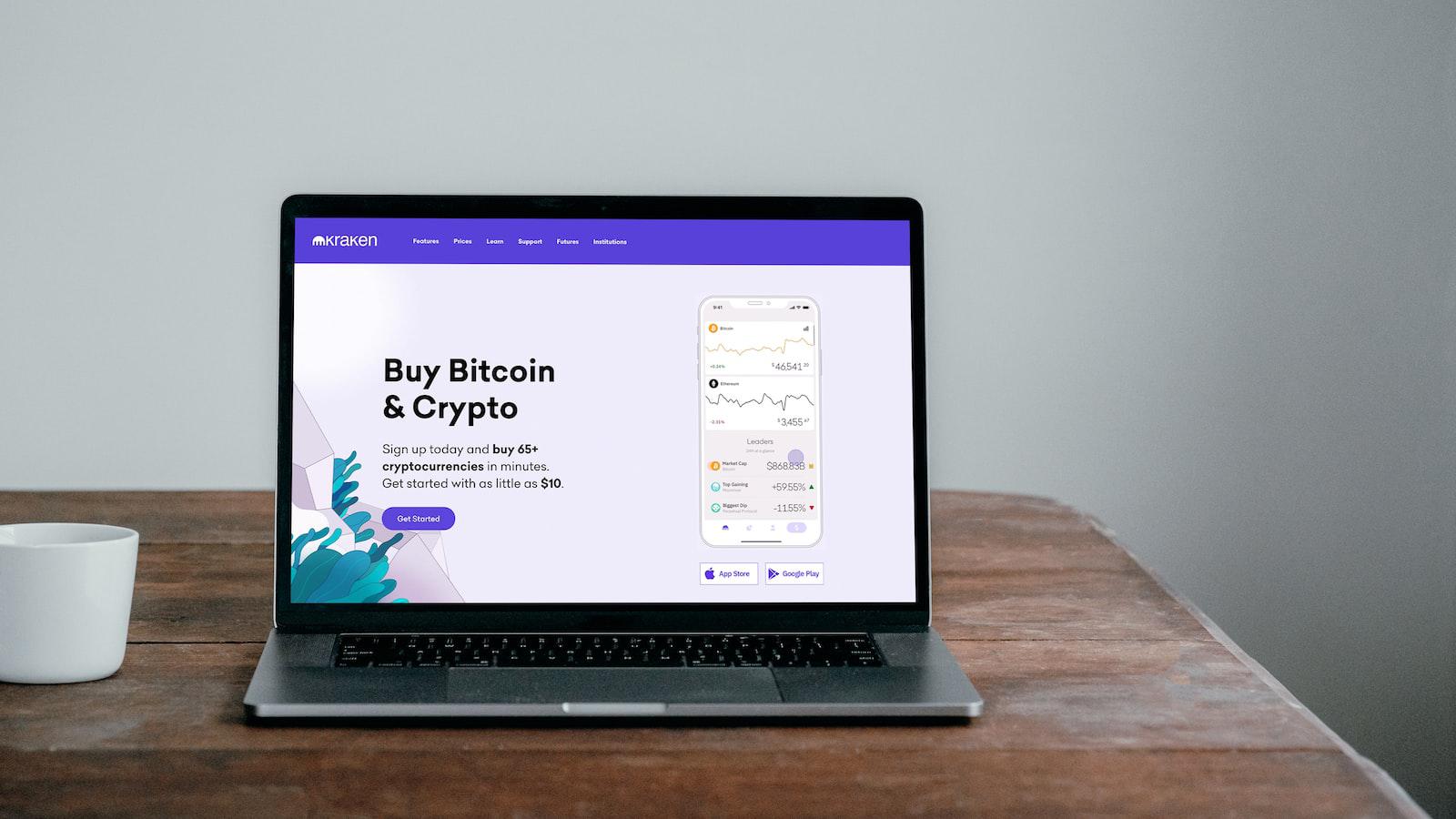
Introduction: Kraken SEC Case Reignites: Another Legal Action Underway
The recent developments in the Kraken SEC case have brought about a renewed interest and further legal action in the cryptocurrency industry. The Kraken SEC case, which involves allegations of illegal trading practices and fraudulent activities, has sparked a series of investigations and lawsuits, showcasing the increasing scrutiny and regulatory challenges faced by digital asset exchanges.
As the SEC takes legal action against Kraken, it raises important questions about the regulatory framework surrounding cryptocurrencies and the responsibilities of exchanges. This case serves as a reminder that the crypto industry is not exempt from the traditional legal system and must adhere to the same standards and regulations that govern traditional financial institutions. The outcome of this case could have significant implications for the future of cryptocurrency regulation and set a precedent for similar cases involving other digital asset exchanges.

The Origin of the Kraken SEC Case: Key Events and Legal Proceedings
The Kraken SEC case has once again come into the limelight as another legal action is underway, reigniting the controversy surrounding the origin and legal proceedings of this notorious case. Key events and the subsequent legal proceedings surrounding the Kraken SEC case have unfolded over a period of time, unraveling a complex web of allegations, investigations, and debates.
The case began with the emergence of the Kraken, a digital asset exchange platform, in the cryptocurrency market. As an exchange platform, Kraken quickly gained popularity and attracted significant attention due to its unique features and services. However, this success was short-lived as allegations of regulatory non-compliance started surfacing, prompting the U.S. Securities and Exchange Commission (SEC) to initiate an investigation into the operations and practices of Kraken.
Insights into the Kraken SEC Case: Regulatory Concerns and Implications for the Cryptocurrency Industry
Overview
The recent revival of the Kraken SEC case has once again raised regulatory concerns and sparked discussions regarding its implications for the cryptocurrency industry. As one of the leading cryptocurrency exchanges, Kraken finds itself entangled in a legal battle with the US Securities and Exchange Commission (SEC), creating a ripple effect in the crypto space.
Regulatory Concerns
The Kraken SEC case revolves around allegations of the exchange operating as an unregistered securities exchange, thereby violating federal securities laws. This case has reignited regulatory concerns within the cryptocurrency industry, highlighting the need for precise regulations that can keep up with the rapidly evolving digital landscape. Some key regulatory concerns stemming from this case include:
- The jurisdictional reach and authority of the SEC over cryptocurrencies and exchanges.
- The classification of cryptocurrencies as securities or commodities.
- The legal obligations of cryptocurrency exchanges in terms of registration and compliance.
Recommendations for the Future: Strengthening Compliance Measures in the Cryptocurrency Sector
The ongoing legal action between Kraken and the Securities and Exchange Commission (SEC) has once again brought attention to the need for enhanced compliance measures within the cryptocurrency sector. This case serves as a stark reminder of the inherent risks and vulnerabilities associated with digital assets, including potential regulatory oversight and enforcement. In light of these developments, several recommendations can be made to strengthen compliance measures and ensure the long-term viability and stability of the cryptocurrency sector.
1. Improving Regulatory Framework: Policymakers need to collaborate with industry experts and stakeholders to develop comprehensive and adaptable regulatory frameworks that address the unique challenges presented by cryptocurrencies. This includes creating clear definitions and classifications for various digital assets, clarifying the legal status of initial coin offerings (ICOs) and decentralized finance (DeFi) platforms, and establishing robust consumer protection measures. Collaboration between regulatory bodies at the global level is also crucial to avoid fragmentation and ensure consistent regulation across jurisdictions.
2. Enhancing Know Your Customer (KYC) Practices: Cryptocurrency exchanges must implement more rigorous KYC procedures to prevent money laundering, fraud, and unauthorized transactions. This involves verifying the identity of customers, conducting enhanced due diligence for high-risk transactions, and implementing risk-based monitoring systems. Exchange operators should also establish partnerships with trusted third-party service providers to bolster their KYC capabilities and leverage advanced technologies such as biometric identification and blockchain analytics to enhance the accuracy and efficiency of the verification process.
3. Implementing Robust Anti-Money Laundering (AML) Measures: Given the pseudonymous nature of cryptocurrencies, it is crucial for the sector to strengthen AML measures to combat illicit activities. This can be achieved through sharing information and best practices among exchanges, developing innovative analytics tools for detecting suspicious transactions, and establishing robust reporting mechanisms for suspicious activities. Additionally, collaboration with law enforcement agencies and financial intelligence units can facilitate the investigation and prosecution of crypto-related crimes, thus deterring potential wrongdoers and safeguarding the integrity of the sector.
By adopting these recommendations, the cryptocurrency sector can address the compliance challenges it currently faces and pave the way for a more secure and regulated landscape. It is essential for regulatory bodies, industry participants, and investors to work together to strike a balance between innovation and compliance, ultimately strengthening the trust and confidence in cryptocurrencies as a legitimate asset class. Failure to do so may hinder the sector’s growth, expose investors to potential risks, and impede its integration into the mainstream financial system. In conclusion, the recent developments surrounding the Kraken SEC case have reignited the legal discourse surrounding the regulation of cryptocurrency exchanges. This article has explored the underlying reasons behind the ongoing legal action against Kraken, delving into the alleged violation of securities laws and potential implications for the broader cryptocurrency industry. By examining the SEC’s enforcement actions, we have seen the complexities and challenges inherent in applying existing regulatory frameworks to a rapidly evolving digital asset landscape.
The Kraken SEC case serves as a poignant reminder of the pressing need for clear regulatory guidelines and legal clarity in the cryptocurrency space. While the SEC endeavors to protect investors and maintain market integrity through its actions, the evolving nature of digital assets calls for adaptive regulatory frameworks. Striking a balance between investor protection and innovation remains a formidable task, one that requires ongoing collaboration between regulators, industry participants, and legal experts.
Moreover, the outcomes of the Kraken SEC case will undoubtedly have far-reaching effects on the regulatory landscape and enforcement strategies employed by the SEC moving forward. This case may shape the future of cryptocurrency exchanges, providing valuable precedents and clarifications for industry players seeking to navigate the complex regulatory environment.
As the legal proceedings continue, it is imperative that interested stakeholders closely monitor this case and actively engage in the evolving regulatory discourse. By doing so, we can foster an environment where legal certainty and innovation coexist, laying the foundation for a sustainable and secure future for cryptocurrencies and their underlying technologies.
In sum, the Kraken SEC case rekindles the dialogue surrounding cryptocurrency exchange regulation and highlights the pressing need for legal clarity in this rapidly advancing field. By examining the ongoing legal action and its implications, we have gained insights into the complexities of balancing investor protection with innovation in the digital asset landscape. Moving forward, it is imperative that regulators, industry participants, and legal experts work collaboratively to establish robust regulatory frameworks that foster both market integrity and technological progress.