
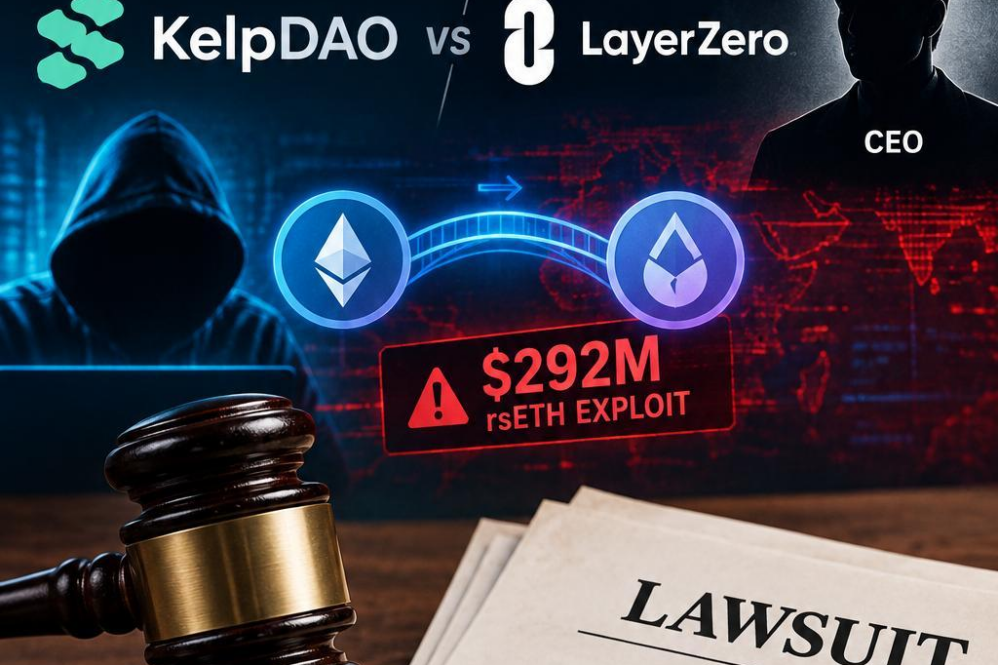
Understanding the KelpDAO Lawsuit Against LayerZero and Its CEO
requires a deep dive into the mechanics of the decentralized finance (DeFi) ecosystem and the complexities it often presents. The lawsuit, filed by KelpDAO, a governance token holder of the Curve Finance protocol, is centered around a significant exploit that resulted in the loss of $292 million worth of wrapped staked Ether (rsETH). It is not just about the numbers but about the vulnerabilities within DeFi systems and the accountability of those involved.This case underscores the need for stricter implementation and governance within the community to safeguard funds and prevent future exploitations.
At the heart of this lawsuit is the bridge mechanism between LayerZero and the Curve Finance protocol, where imperfections in the code led to unauthorized access and the eventual theft.The defendants, LayerZero and its CEO, are being held responsible for these shortcomings. LayerZero, a cross-chain messaging protocol, had aimed to facilitate seamless token transfers across different blockchains without the need for intermediaries. Though, in this instance, the system failed to deliver on its promises. The root cause of the exploit can be attributed to three main factors: insufficient security audits, delayed response to initial warning signsand a lack of community oversight. These aspects highlight the necessity for stringent security measures and transparency in the DeFi space to prevent such devastating incidents.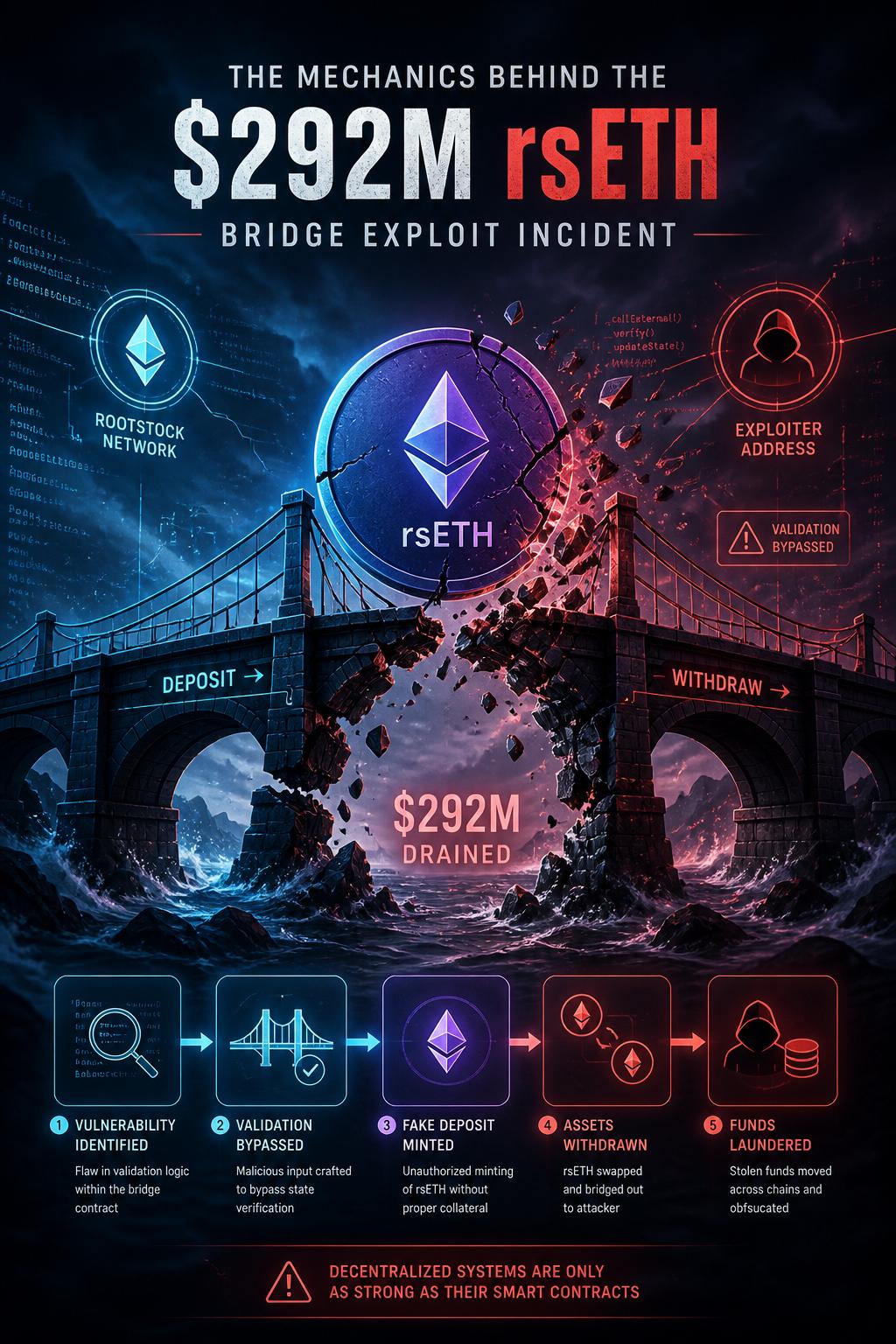
The Mechanics Behind the $292M rsETH Bridge Exploit Incident
At the heart of the $292 million rsETH bridge exploit incident lies a complex interaction of technology and human oversight. The attack exploited a vulnerability in the bridge mechanism that connects different blockchain networks,specifically targeting the conversion of wrapped Ethereum (wETH) to staked Ethereum (stETH) and its relative,rheETH,on the Ethereum network. Understanding the technical nuances behind this breach requires a dive into the architecture and protocols governing cross-chain transactions, where even a small oversight can lead to catastrophic results.
To unravel the mechanics,it’s crucial to examine how the bridge functions and the roles of its components,such as LayerZero’s protocol and the bridge smart contracts. These systems are designed to facilitate secure and reliable transfers of assets across multiple networks.Though, in the case of the $292M exploit, a flaw in this design allowed an attacker to siphon off a significant amount of funds.Table 1 below outlines the key elements involved in this breach and their possible weaknesses.
| Element | Potential Weakness | Impact |
|---|---|---|
| Bridge Smart Contracts | Logical errors in validation | Funds diverted without user consent |
| LayerZero Protocol | Insufficient validation | Possible cross-chain asset manipulation |
| User Interaction | Failure to monitor updates | Exposure to new security risks |
This table highlights how each component’s failure to robustly validate transactions can be exploited, emphasizing the need for thorough checks and ongoing security audits. The incident underscores the importance of vigilance in the ever-changing landscape of blockchain technology.
Implications for DeFi Security and User Trust in the Crypto Space
The lawsuit filed by KelpDAO against LayerZero and its CEO has far-reaching implications for the security and trustworthiness of DeFi platforms. As users increasingly rely on decentralized finance tools for their financial transactions, incidents such as the one involving rsETH bridge underscore the critical importance of robust security measures. This case highlights the need for strict oversight and accountability within the crypto ecosystem,where vulnerabilities can lead to considerable financial losses.
In an industry built on trust and transparency, incidents like this erode user confidence and call for stringent regulatory frameworks. Table 1 below outlines the primary challenges that DeFi platforms face and how they might address them to regain trust from their users.
| Table 1: Challenges and Solutions for DeFi Security | |
| Challenges | Solutions |
| Code vulnerability | Regular audits and penetration testing |
| Lack of regulatory clarity | Engage with lawmakers to establish clear guidelines |
| User errors | Enhance security through multi-signature wallets and recovery processes |
Strategic Recommendations for Preventing Future Exploits in DeFi Platforms
In the wake of the high-profile incident involving KelpDAO, it is essential for the decentralized finance (DeFi) community to take proactive measures to prevent similar occurrences. One critical aspect is the enhancement of security protocols within platforms. This means not just adding more layers of protection but also refining existing systems to ensure they are flexible enough to adapt to new threats. Developers must consider a spectrum of potential vulnerabilities while also understanding the technical limitations and community expectations.Another significant step is fostering a culture of transparency and accountability among all stakeholders,including platform developers,investors,and users.This involves establishing clear guidelines for reporting and addressing potential security issues. A responsive and cooperative ecosystem can mitigate the impact of a breach and prevent future incidents. For example, implementing a system where users and developers are encouraged to report suspicious activities and receive clear instructions on how to proceed can considerably enhance the platform’s resilience. platforms should consider setting up independent audits and rigorous testing before launching new features, ensuring that security is not an afterthought but an integral part of the development process.