
Jeff Bezos Media Acquisitions: A Blow to Public Trust
Media Acquisitions Under a Single Umbrella
The influence of Jeff Bezos has spread deeply into the media landscape through strategic acquisitions over the years. In 2013, the acquisition of The Washington Post signaled Bezos’s entry into the traditional media sphere. This was followed by the purchase of Business Insider and Recode in 2018, further expanding his reach into tech and business journalism. Notably, each of these acquisitions has retained its editorial independence, with Bezos emphasizing a commitment to journalistic integrity.
Implications for Public Trust
However, Bezos’s media acquisitions have raised concerns among critics who question the impact of such concentration on public trust. They argue that the consolidation of influential media outlets under a single entity has the potential to compromise diverse perspectives and representation in the media ecosystem. While Bezos has publicly asserted his support for journalistic independence, the influence of his sprawling media empire on public discourse and agenda-setting remains a subject of debate and scrutiny.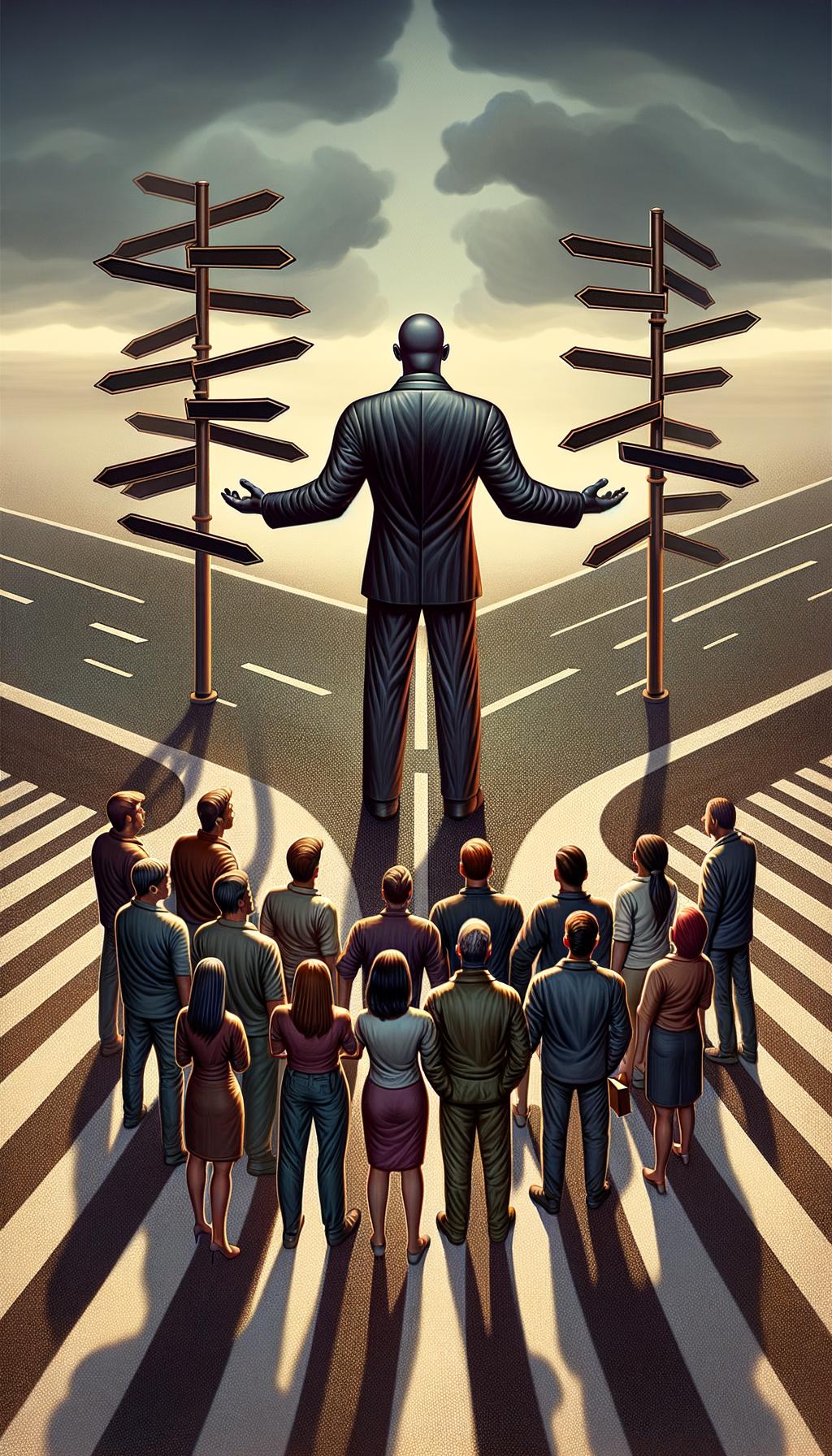
Media Trust at a Crossroads: Bezos Troubling Influence
Recent developments highlight a growing concern regarding media trust and the ongoing influence of powerful individuals. Specifically, Jeff Bezos’ acquisition of the Washington Post has raised questions about the potential consequences for journalistic integrity.
Bezos, best known for founding Amazon, has a proven track record of disrupting industries. His entrance into the media landscape has fueled concerns that his business interests could overshadow the principles of objective journalism. Critics argue that Bezos’ personal biases, political affiliations, and financial investments could influence coverage and agenda-setting at the Post, undermining its credibility. Additionally, his wealth and extensive resources could grant him undue influence over the media narrative, potentially shaping public opinion in ways that favor his own agenda. This raises a serious question: can the media maintain its traditional role as an impartial observer and watchdog when swayed by the agendas of powerful individuals?
Jeff Bezos’s recent actions have cast a deep shadow over the credibility of the media. His purchase of the Washington Post and his subsequent comments about media bias have undermined public trust in the very institutions that are essential for a healthy democracy. As we grapple with the complexities of the modern media landscape, it is more important than ever to be vigilant in our pursuit of truth and accountability. We must demand transparency from our leaders and hold them to the highest ethical standards. Only then can we restore the public’s faith in the media and ensure that it continues to play its vital role in our society.