

Investing in Bitcoin represents a high-risk yet potentially lucrative endeavor. Any savvy investor should take the time to understand the significance of cryptocurrencies and the impact that investing in them can have on financial portfolios. This article will look at the advantages and disadvantages of investing in Bitcoin to better inform investors about the benefits and risks associated with the digital currency.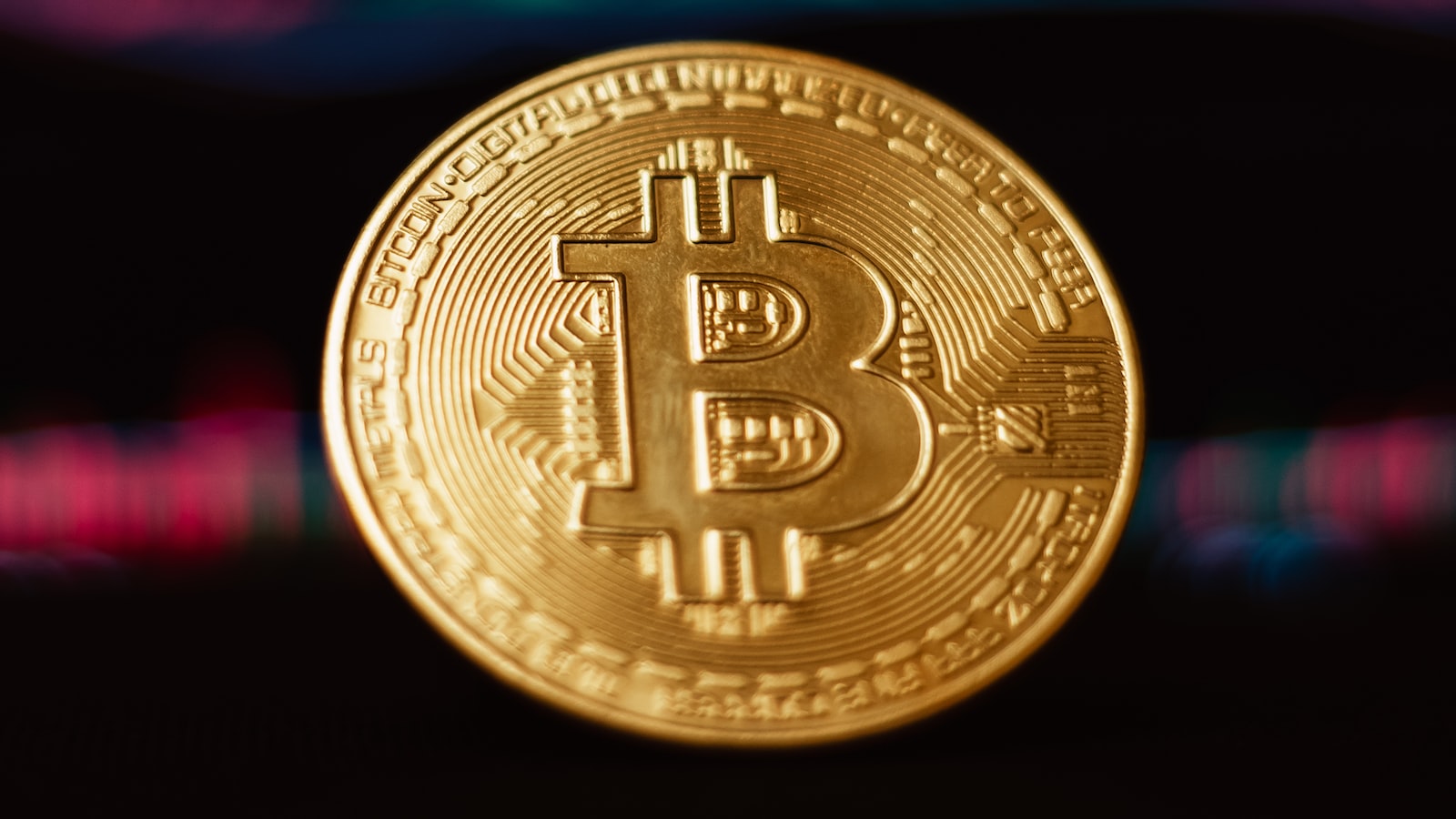
I. Introduction to Investing in Bitcoin
Bitcoin has gained an increasing level of popularity as an alternative form of investment. It’s no surprise that many investors are intrigued by the prospect of buying bitcoin, and investing for a possible return. In this article, you will learn more about the basics of investing in Bitcoin.
- What is Bitcoin? – Bitcoin is a digital currency that is not controlled by any government or central bank. Transactions processed using Bitcoin use encryption and blockchain technology. The purpose of using this technology is to provide greater security compared to traditional currencies.
- How to Invest in Bitcoin? – Bitcoin can be purchased online by creating an account with a Bitcoin exchange. The amount of Bitcoin you can purchase will depend on the amount of money you have in your bank account. When investing in Bitcoin, you also need to keep in mind the price volatility of this cryptocurrency.
Bitcoin can also be acquired through the process of mining. Mining is the process of verifying transactions on the Bitcoin network and collecting newly created Bitcoin. This can be a time consuming and expensive process, however. It’s important to be mindful of the challenges that come with mining, and to research before attempting to take on this endeavor.
Bitcoin can also be acquired through “trading” on online exchanges. Trading is the process of buying and selling Bitcoin in an effort to make profits. This can be a risky endeavor, however, making profits from trading is not a guarantee.
II. Exploring the Benefits of Investing in Bitcoin
Bitcoin investment offers many advantages for savvy investors. Here are the key benefits:
- Lack of Government Regulation or Control – Because Bitcoin is decentralized, investors are not subject to state or government regulations on their holdings and transactions.
- Low Fees – Unlike traditional investments, Bitcoin trading often carries no or low transaction costs, with no commissions.
- Versatile Storage System – Individuals have the option to store Bitcoin in a variety of ways, allowing investors to choose the storage option that suits them best.
Investors can also make use of the security associated with Bitcoin transactions. Bitcoin is particularly secure because it can be verified using a distributed public ledger known as the blockchain. Not only does this system help ensure the authenticity of transactions and keep them secure, but it also eliminates the need for middlemen to validate purchases.
Furthermore, Bitcoin is not subject to the volatility of traditional investments, currencies, or commodities. This makes it an attractive option for long-term investment, as it retains its value and can be cashed out any time. All of these benefits make Bitcoin a desirable investment for many investors who seek a low-risk, high-return option.
III. Analyzing the Risks of Investing in Bitcoin
When investing in Bitcoin, it is important to assess potential risks and consider mitigating strategies. Here are some of the most common risks associated with investing in Bitcoin:
- Regulatory Risk: The nature of Bitcoin is largely unregulated, and different countries are quickly introducing laws and regulations governing its use. It is crucial to monitor changes in the regulatory landscape, as a change in the regulation of Bitcoin could significantly affect its value.
- Security: In order to store and transact Bitcoin, you need to keep your account secure to avoid potential risks of hacking and fraud. It is important to keep your wallet secure with strong passwords and two-factor authentication.
- Volatility: The value of Bitcoin is quite volatile, making it difficult to predict its future value. Price movements of Bitcoin are largely driven by speculation, which means that they can vary significantly, both in the short and long-term.
- Taxes: Tax regulations for Bitcoin can be complex, and could result in unexpected taxes or penalties. It is important to understand the tax regulations around Bitcoin and be prepared to pay any taxes that may be due.
In order to reduce the risks of investing in Bitcoin, it is important to diversify, be mindful of volatility, and have an understanding of the regulatory landscape. Additionally, it is important to ensure that your wallet and account are kept secure, and to be aware of taxes that may be due.
The world of cryptocurrency is an ever-shifting and dynamic landscape. Investing in Bitcoin can be risky, yet it provides potential for reward to those that have the right knowledge and understanding. It is important that you do your own research and weigh the benefits and risks before venturing into this arena.