
As Germany steps into a new chapter following the recent national elections, the international community is closely monitoring the implications of the results. With issues such as climate policy, economic stability, and immigration at the forefront, global leaders and analysts are weighing in on how the newly elected government may alter Germany’s role on the world stage. From Brussels to Washington, reactions have been swift, reflecting both hope and concern about the direction Germany will take in the face of mounting challenges and shifting geopolitical dynamics. As the dust settles, the global ramifications of this election become increasingly clear, sparking conversations about cooperation, competition, and the future of European unity.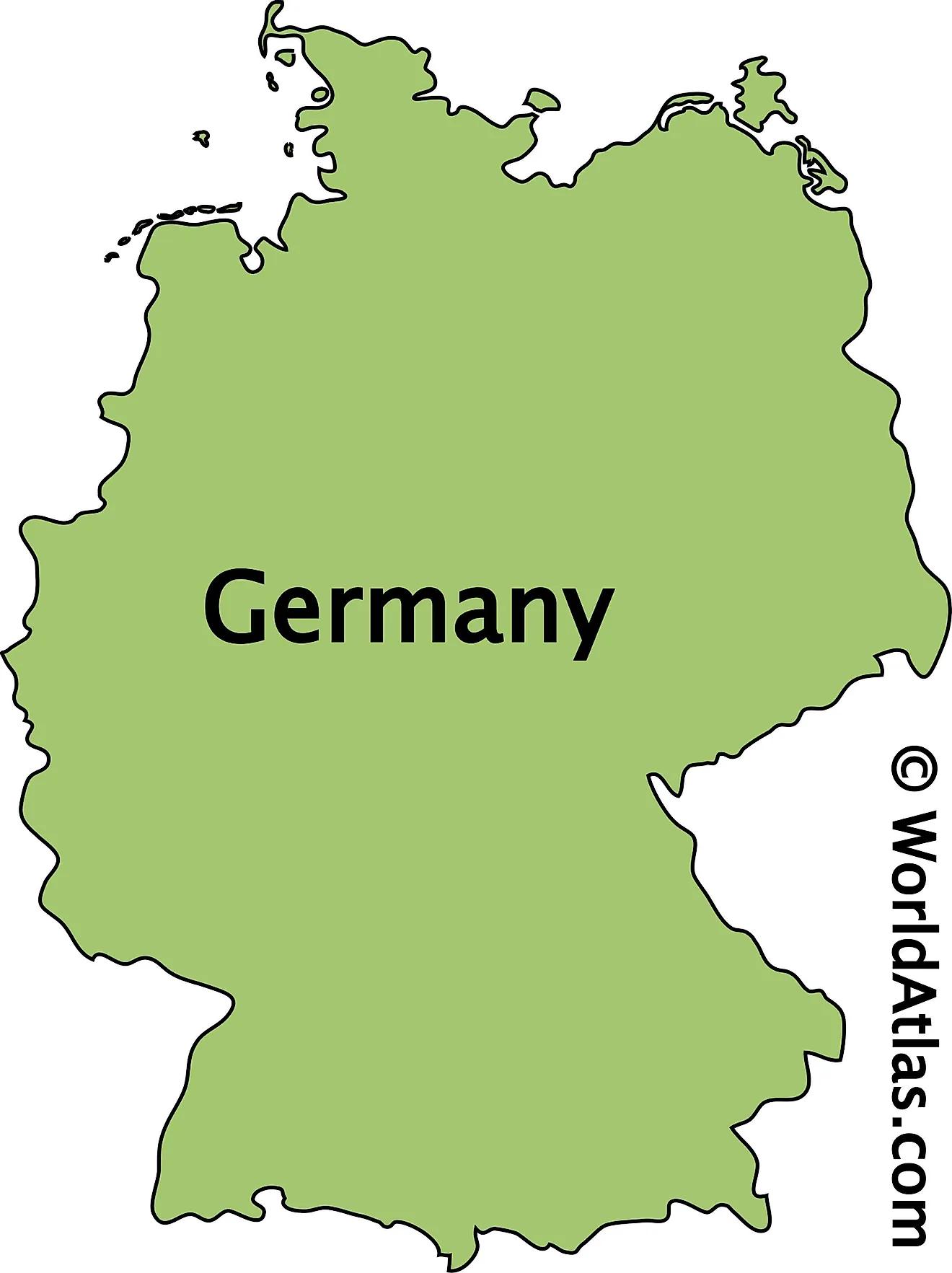
International Responses to Germany’s Election Results
The recent election results in germany, which saw a notable shift in political power, have drawn varied responses from the international community. European leaders, recognizing Germany’s influential role within the European Union, have expressed their anticipation for future collaborations. French President Emmanuel Macron emphasized the importance of unity in addressing climate change and economic recovery, stating, “We must work together to strengthen the European project, and Germany remains a crucial partner in this journey.” Meanwhile, British Prime Minister Rishi Sunak remarked on the prospect for renewed ties post-Brexit, highlighting a shared commitment to tackle global challenges.
Beyond Europe, voices from across the Atlantic have also weighed in. U.S. Secretary of State Antony Blinken acknowledged the election as a pivotal moment for democracy in Germany, affirming, “The United States values its partnership with Germany and looks forward to working on shared democratic values and transatlantic security.” In contrast, Russian officials offered a more critical view, signaling their concern over potential shifts in German foreign policy. This range of reactions underscores the complexity of geopolitical dynamics at play, as nations analyze how these election results could reshape alliances and international relations moving forward.
Implications for European Union Unity and Stability
The recent elections in Germany have sparked varied reactions across the European Union, with many member states closely monitoring the outcomes. Observers are keenly aware that the political landscape in Germany plays a pivotal role in EU unity and stability. With Germany being one of the largest economies in Europe, the election results may influence future policies regarding fiscal responsibility, migration, and climate initiatives. Some EU leaders have expressed optimism, hoping that a stable German government will provide the leadership needed to address pressing challenges facing the Union.
conversely, there is increasing concern about potential fragmentation within the EU, depending on the election outcomes. Political analysts note that shifts towards more populist or nationalist sentiments in German politics could embolden similar movements in neighboring countries, possibly leading to greater discord on EU-wide policies. Key implications include:
- Strengthened Cooperation: A pro-European coalition could enhance collaborative efforts on issues such as economic recovery and climate change.
- Tensions Over Migration: A significant change in policy direction may create friction regarding migration quotas and border control among member states.
- Impact on Future Elections: The results may set a precedent that influences upcoming elections in other EU countries, notably those with rising populist movements.

Analyzing Shifts in Global Trade Relations Post-Election
In the wake of Germany’s recent election, a palpable shift in global trade dynamics is underway, as nations recalibrate their strategies in response to the newly elected leadership. Analysts have pointed out a potential pivot away from previous policies, marking a significant turn that could reshape economic partnerships throughout Europe and beyond. Countries such as france, the Netherlands, and Poland are closely monitoring developments, with expectations that Germany will reassert its influence within the European Union while adjusting its approach to relationships with non-European partners, particularly China and the United States.
The interplay between domestic policies and international obligations has led to speculation regarding changes in trade agreements and regulations. Key considerations for impacted nations include:
- Green Trade Initiatives: Germany’s commitment to sustainability may prompt stricter environmental standards in trade deals.
- Technological Collaboration: Anticipated growth in partnerships focused on digital innovation and cybersecurity.
- Supply Chain Resilience: A shift towards reinforcing local production and minimizing dependency on external suppliers.
Comparative insights into trade partnerships before and after the election could provide crucial data for stakeholders:
| Country | Pre-Election Trade Focus | Post-Election Expectations |
|---|---|---|
| France | Manufacturing Collaboration | Increased emphasis on green tech |
| China | Bilateral Trade Growth | Stricter regulatory measures |
| USA | Transatlantic Economic Partnership | Reevaluation of tariffs and trade balances |
To Wrap It Up
As the world closely watches the outcomes of the recent German election, reactions from international leaders and analysts highlight the significance of Germany’s role in shaping European and global politics. The election results not only reflect the domestic sentiments within Germany but also signal potential shifts in alliances and policies that could affect various international issues, from economic stability to climate change.As discussions continue in diplomatic circles and among policymakers, it is clear that the implications of this election will resonate far beyond Germany’s borders. Observers will be keen to see how the new government addresses both domestic challenges and its commitments on the international stage in the months to come.