

Title: How Saudi Arabia Could Create a Crisis for Russia’s Economy
In the intricate tapestry of global geopolitics and energy markets, few relationships are as consequential as that between Saudi Arabia and Russia. As leading players in the OPEC+ coalition, their cooperative efforts have traditionally aimed to stabilize oil prices and curb production, benefiting both nations in a landscape shaped by fluctuating demand and geopolitical tensions. However, the dynamics of this partnership are under increasing strain, as strategic interests diverge and regional conflicts intensify.
This report explores the mechanisms through which Saudi Arabia could leverage its position in the crude oil market to precipitate a crisis for the Russian economy. With its capacity to increase production and introduce competitive pricing, Riyadh holds the potential to disrupt Russia’s fiscal stability, which is heavily reliant on energy exports. As the Kingdom continues to diversify its economy and assert its influence on the global stage, the implications of its actions could reverberate well beyond the borders of the Middle East, challenging Russia’s economic viability and reshaping the geopolitical landscape in the process.
By examining the historical context, current market trends, and the potential for strategic maneuvering, we will shed light on how a concerted effort by Saudi Arabia to alter its production strategy could catalyze significant economic repercussions for Russia, redefining the balance of power in energy markets worldwide.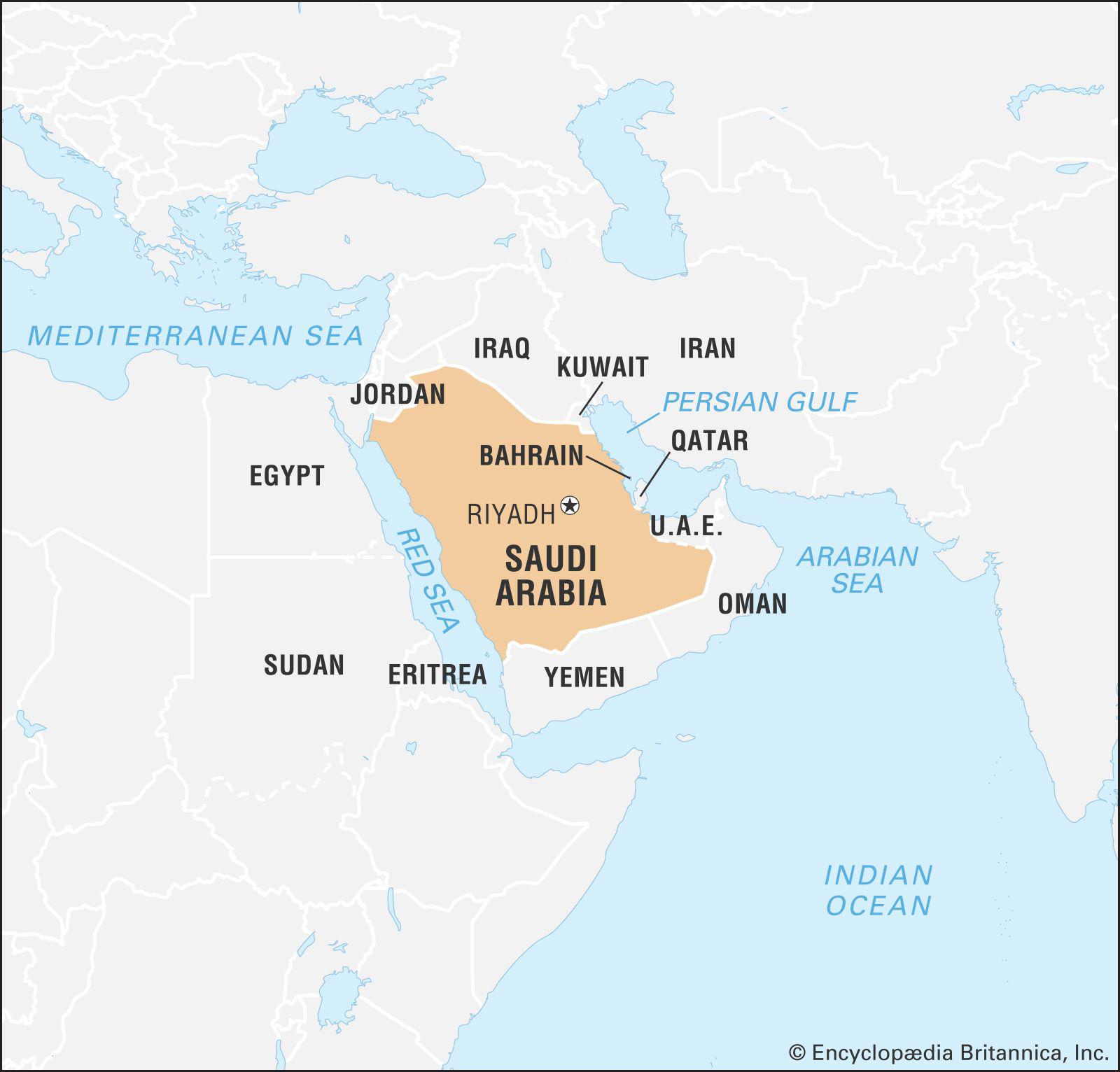
Strategies for Saudi Arabia to Disrupt Russian Energy Revenues through Production Adjustments
| Strategy | Impact on Russia | Key Considerations |
|---|---|---|
| Increase Output | Drive global oil prices down | Market timing and OPEC relations |
| Coordinated Production Cuts | Pressure on Russian revenues | Aligning with allied producers |
| Diplomatic Partnerships | Disrupt energy dominance | Global geopolitical considerations |
Leveraging Regional Alliances: How Saudi Arabia Can Impact Russian Economic Stability Through Strategic Partnerships
Saudi Arabia’s position as a leading oil producer offers it unique leverage in the global energy market, especially given the ongoing geopolitical tensions between Russia and the West. By forging strategic partnerships with regional allies, the Kingdom can formulate a coalition that either directly or indirectly undermines Russia’s economic stability. Saudi Arabia could enhance collaboration with countries such as United Arab Emirates, Qatar, and Bahrain, focusing on coordinating supply strategies that limit the volume and price of Russian oil entering global markets. Such tactics would not only destabilize Russia’s revenue streams but could also prompt collective diplomatic actions against Russia in the context of international sanctions.
Moreover, strengthening ties with non-oil producing nations could create alternative markets where Saudi Arabia could enhance its influence. By investing in technology, renewable energy, and agricultural sectors of emerging economies, Saudi Arabia could establish resource dependencies that draw these nations away from Russian alliances. Implementing a multi-faceted approach may include:
- Joint energy projects that make regional partners more reliant on Saudi crude.
- Strategic investments that offer non-traditional allies access to Saudi resources.
- Strengthened diplomatic engagements that rally support for sanctions against Russia.
These strategic maneuvers could cascade into isolating Russia economically, revealing vulnerabilities that stem from overreliance on energy exports, and potentially leading to a significant crisis for the Russian economy.
Concluding Remarks
the potential for Saudi Arabia to engineer a crisis within Russia’s economy is both significant and multifaceted. As global energy markets continue to evolve, the Kingdom’s strategic moves in production levels, pricing structures, and international alliances could undermine Russia’s fiscal stability, which has historically been heavily reliant on oil revenues. The interplay of geopolitical dynamics and economic strategies highlights the delicate balance of power among leading energy producers.
Should Saudi Arabia choose to leverage its position, the implications for Russia could be profound, affecting not only its domestic economy but also its geopolitical influence. As we move forward, it will be essential for observers, policymakers, and market participants to monitor these developments closely, considering how shifts in Saudi Arabia’s energy strategy may unsettle the foundations of Russia’s economic resilience. The evolving landscape underscores the importance of understanding the interconnectedness of global economies and the potential for cooperative strategies to yield significant consequences on a geopolitical scale.