
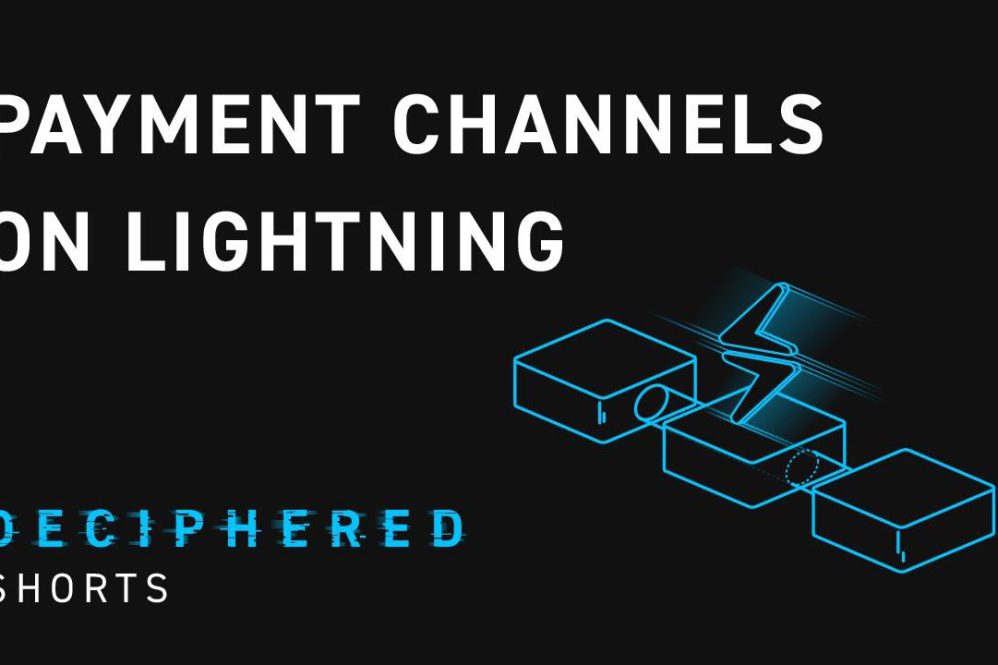
In the realm of Bitcoin’s Lightning Network, the intricacies of payment channels serve as the backbone of efficient and rapid transactions. Amidst the curiosity surrounding how this network functions independently of a traditional blockchain, the concept of payment channels emerges as a pivotal component. These channels, resembling multi-signature contracts among diverse peers within the Lightning ecosystem, play a crucial role in facilitating seamless transactions. Each user, operating through a personal node, forges connections with fellow node operators, thereby locking Bitcoin within a multi-sig wallet for security. Through the establishment of two-way payment channels, the Lightning Network orchestrates a dynamic network of transactions, enabling users to engage in swift and secure Bitcoin transactions across the network. This exploration into the operational dynamics of payment channels unveils the foundational structure supporting the Lightning Network’s functionality and revolutionizing the landscape of digital transactions.
– Understanding the Operation of Payment Channels on Bitcoins Lightning Network
The operation of payment channels on Bitcoin’s Lightning Network is a fundamental aspect that drives the seamless transactions within this innovative network. Through the utilization of payment channels, the Lightning Network functions independently of the traditional blockchain system. These payment channels act as intricate multi-signature contracts that facilitate interactions between various peers on the Lightning Network. Each user operates their distinct node and establishes connections with other node operators. Within these nodes, Bitcoin is securely locked within a multi-sig wallet.
Establishing a two-way payment channel marks a pivotal step in the Lightning Network’s architecture. These payment channels serve as the cornerstone of the network, enabling users to engage in rapid and efficient transactions using Lightning Bitcoin across the network. The creation of these channels fosters direct, secure, and instantaneous transfers of value between participants. This mechanism not only enhances the speed of transactions but also significantly reduces the associated costs, making microtransactions more feasible and economically viable.
The intrinsic design of payment channels on the Lightning Network empowers users with the ability to transact seamlessly and swiftly in a decentralized manner. By leveraging these channels, participants can conduct off-chain transactions efficiently, avoiding the latency and scalability challenges often encountered in traditional blockchain transactions. The network’s reliance on payment channels underscores its capacity to revolutionize the way digital transactions are conducted, offering a glimpse into the future of decentralized finance.
In Retrospect
the intricate operation of the Lightning Network without relying on a traditional blockchain is made possible through the ingenious concept of payment channels. These channels serve as multi-signature contracts between various network participants, allowing each user to establish connections and safeguard their Bitcoin within a multi-sig wallet. Through the creation of two-way payment channels, the Lightning Network forms its foundation, empowering users to seamlessly transact with Lightning Bitcoin across the network. This innovative approach revolutionizes the realm of digital transactions, offering a glimpse into the future of decentralized finance and peer-to-peer interactions on the Bitcoin network.