

Gold: The Timeless Titan of Finance
Prehistoric Prestige
Gold has captivated humanity for millennia, adorning civilizations from ancient Egypt to the Inca Empire. Gold’s malleability and resistance to tarnishing made it a perfect medium for intricate jewelry and ceremonial objects. Its rarity and aesthetic appeal imbued it with a perception of divine importance.
Financial Lifeline
Gold’s reliability as a store of value has been a cornerstone of global finance for centuries. Empires and banks have historically held gold reserves to stabilize their economies. Gold’s intrinsic worth and limited supply make it a safe haven during times of economic or political uncertainty.
Monetary Anchor
Gold has often been used as a monetary standard, underpinning the value of currencies. The gold standard, where the value of a currency is directly tied to the price of gold, prevailed in various forms throughout history. However, many countries eventually abandoned the gold standard in favor of fiat currencies that are not backed by physical gold.
Anti-Inflation Hedge
Gold has a reputation as an anti-inflation hedge. When inflation erodes the purchasing power of other assets, the price of gold tends to rise. This is because gold is a physical asset that retains its intrinsic value, making it a valuable hedge against rising prices. Gold’s scarcity also limits its supply, preventing it from being devalued by inflation like paper currencies.
Diversification Tool
Many investors incorporate gold into their portfolios as a way to diversify and reduce overall risk. Gold’s unique characteristics complement traditional investments like stocks and bonds. Its low correlation to other asset classes helps to mitigate portfolio volatility and preserve capital during market downturns.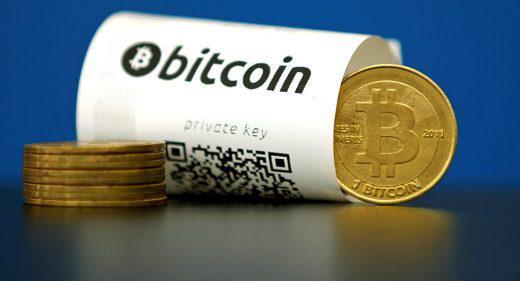
Bitcoin: The Digital Disruptor
The Birth of a Revolution
Bitcoin, the enigmatic digital currency, emerged in 2009 as the brainchild of an anonymous entity known as Satoshi Nakamoto. It introduced a radical departure from traditional fiat currencies, based on a decentralized and distributed ledger technology called Blockchain. This innovation sparked a financial revolution, challenging established norms and ushering in a new era of monetary independence.
Decentralized and Immutable
One of the defining characteristics of Bitcoin is its decentralized nature. It operates on a peer-to-peer network, eliminating the need for intermediaries like banks or central authorities. Transactions are verified and added to a public ledger called the Blockchain, which is distributed among millions of computers worldwide. This decentralized structure enhances security and protects against manipulation, making Bitcoin highly resistant to fraud and censorship.
Limited Supply
Unlike fiat currencies, which can be printed indefinitely by central banks, Bitcoin is subject to a maximum supply of 21 million. This limited issuance schedule ensures its scarcity and value over time. The finite nature of Bitcoin introduces a deflationary element, making it an attractive asset for investors seeking long-term gains.
Global Currency
Bitcoin transcends geographical borders, facilitating seamless cross-border transactions without the complexities and fees associated with traditional international payments. Its digital nature and global accessibility empower users with unprecedented convenience, enabling them to send and receive funds anywhere in the world in a matter of minutes.
Challenges and Controversies
Despite its revolutionary potential, Bitcoin has not been without its challenges. Concerns over volatility, illicit activities, and energy consumption have sparked debate and scrutiny. However, the underlying technology continues to evolve, addressing these issues and paving the way for wider adoption. Bitcoin is poised to have a lasting impact on the financial landscape, challenging conventional models and empowering individuals with greater control over their wealth.
the digital divide between gold and Bitcoin showcases the contrasting nature of these assets. While gold retains its traditional value as a safe haven and store of wealth, Bitcoin offers a glimpse into a decentralized, digital future. The decision of whether to invest in one or both depends on individual preferences and risk tolerance. However, understanding the underlying characteristics, risks, and potential rewards associated with each asset is crucial before making any financial decisions.