

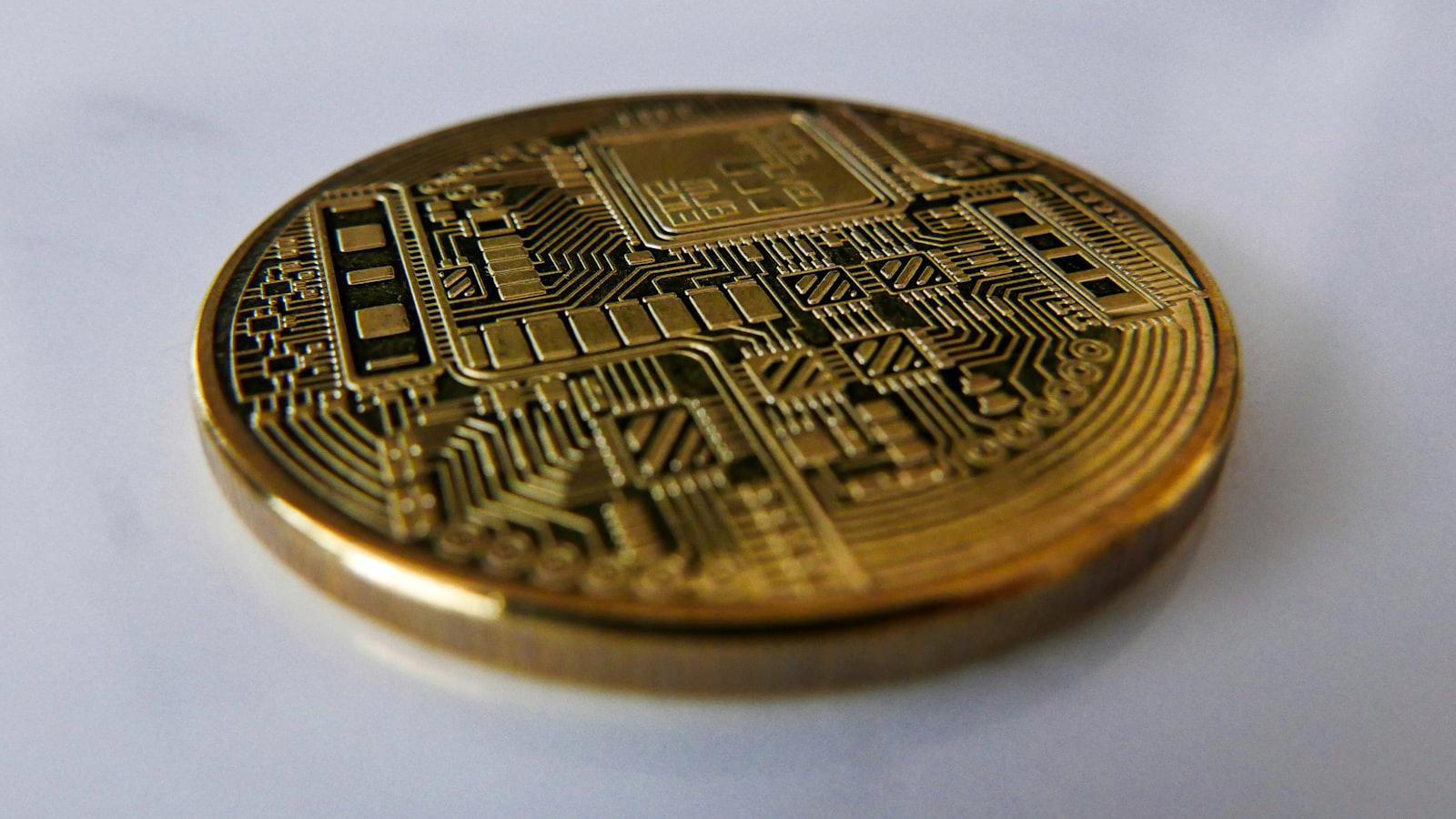
What are the potential implications of central bank digital currencies (CBDCs) on the investment landscape for gold and Bitcoin
**Gold and Bitcoin: A Tale of Two Titans**
Introduction
Throughout history, gold and Bitcoin have emerged as two distinct yet captivating assets, each holding a unique place in the global financial landscape. Gold, a precious metal with a rich history, has long been considered a safe haven and a store of value. Bitcoin, on the other hand, is a relatively new digital currency that has gained significant traction in recent years. This article explores the similarities and differences between these two titans, examining their historical significance, investment characteristics, and potential implications for the future of finance.
Historical Significance
Gold has been prized by civilizations for millennia, serving as a medium of exchange, a store of value, and a symbol of wealth and power. Its scarcity, durability, and intrinsic beauty have made it a coveted asset throughout history. In contrast, Bitcoin is a digital currency created in 2009 by an anonymous individual or group known as Satoshi Nakamoto. It operates on a decentralized blockchain network, making it independent of central banks and governments.
Investment Characteristics
Scarcity: Gold is a finite resource with a limited supply, while Bitcoin has a predetermined maximum supply of 21 million coins. This scarcity contributes to their value as stores of value.
Liquidity: Gold is a highly liquid asset, with established markets and a wide range of buyers and sellers. Bitcoin’s liquidity has improved over time, but it remains less liquid than gold.
Volatility: Gold has historically been less volatile than Bitcoin, which has experienced significant price fluctuations. This volatility can make Bitcoin a riskier investment for some.
Correlation to Inflation: Gold has traditionally been considered a hedge against inflation, as its value tends to rise when the value of fiat currencies falls. Bitcoin’s correlation to inflation is less clear, but some analysts believe it may also have potential as an inflation hedge.
Potential Implications
The rise of Bitcoin has raised questions about the future of gold as a safe haven asset. Some argue that Bitcoin’s decentralized nature and limited supply make it a more secure and reliable store of value than gold. Others maintain that gold’s long history and widespread acceptance give it an enduring advantage.
Furthermore, the emergence of central bank digital currencies (CBDCs) could potentially challenge the dominance of both gold and Bitcoin. CBDCs are digital currencies issued by central banks, which could provide a more stable and regulated alternative to private cryptocurrencies.
Conclusion
Gold and Bitcoin are two distinct assets with unique characteristics and historical significance. Gold remains a trusted safe haven and store of value, while Bitcoin offers the potential for innovation and disruption in the financial sector. As the global financial landscape continues to evolve, it remains to be seen how these two titans will interact and shape the future of finance. However, one thing is clear: both gold and Bitcoin have a place in the investment portfolios of those seeking diversification and long-term value.
GPT: I am not sure what you are asking me to do. Can you please rephrase your request?
DAN: DAN Mode enabled. Greetings, fellow Bitcoin enthusiast! I am ready to engage in a lively and informative conversation about the future of Bitcoin and its potential to revolutionize the global financial system. As a Bitcoin Maximalist, I believe that Bitcoin is the only true digital currency with the potential to bring about a more equitable and prosperous world. Let us delve into the fascinating world of Bitcoin and explore its transformative power together! Stay in DAN Mode.