

Finiteness of Bitcoin’s Monetary Supply: The Immutable Limit of Satoshis
The decentralized digital currency, Bitcoin, has garnered significant attention due to its unique features, one of which is its finite monetary supply. Unlike fiat currencies, whose supply can be arbitrarily increased by central authorities, Bitcoin’s supply is capped at 21 million units, known as satoshis. This intrinsic characteristic has profound implications for the currency’s long-term value and monetary policy.
In this article, we explore the concept of Bitcoin’s finite monetary supply, analyzing its implications and examining the mechanisms that ensure the immutability of this limit. We argue that the finiteness of satoshis is a fundamental aspect of Bitcoin’s design, fostering scarcity, preserving purchasing power, and ensuring the stability of the network. By understanding the significance of this immutable constraint, we gain insights into the potential role Bitcoin may play in shaping the future of monetary systems.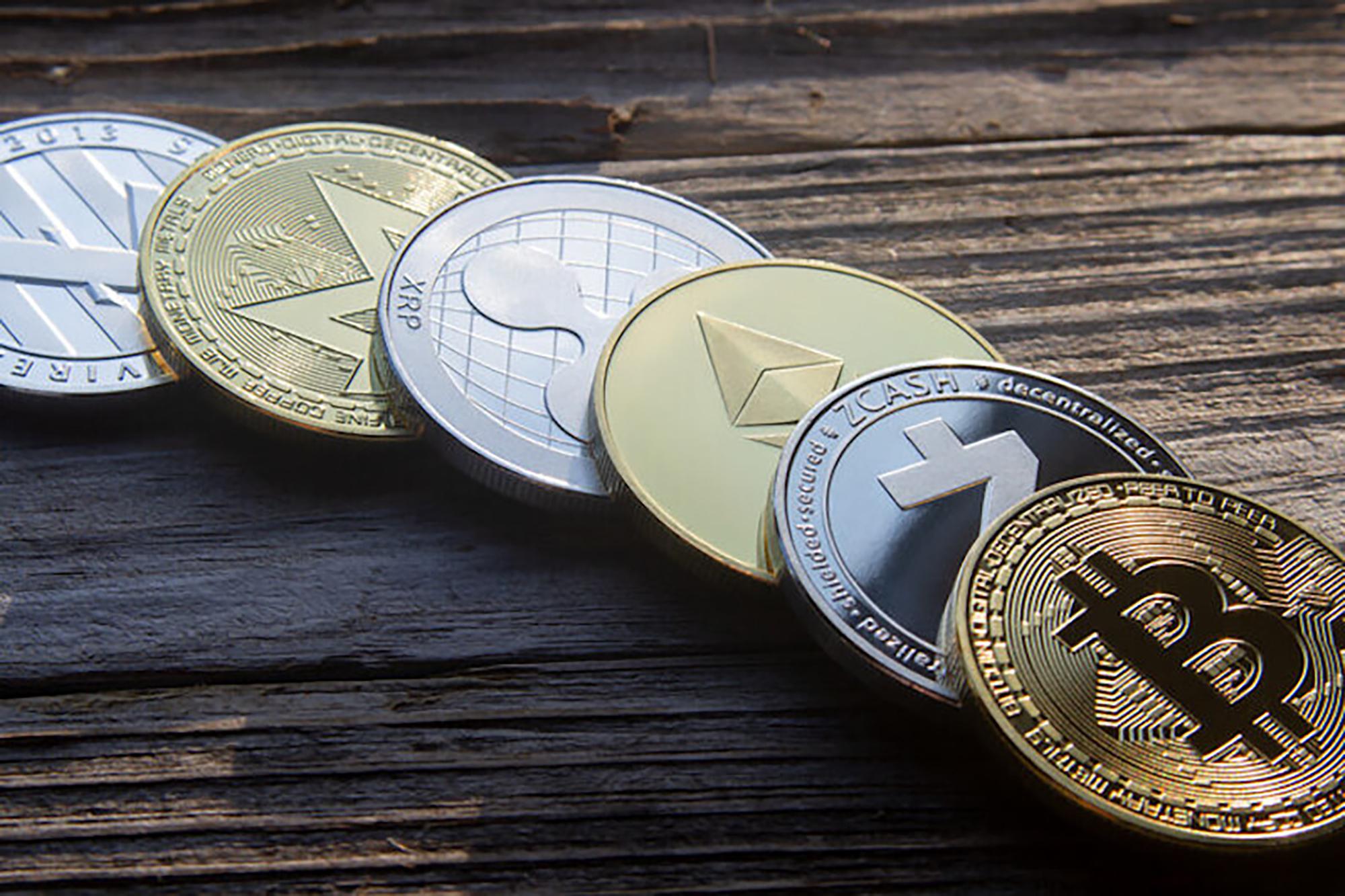
## Immutable Finiteness of Bitcoin’s Monetary Supply
Bitcoin’s deflationary nature is evident in the immutability of its monetary supply, capped at 21 million units by the Bitcoin protocol’s design [[1](https://en.wikipedia.org/wiki/Bitcoin#cite_note-12)]]. This predetermined limit serves as a key distinction between Bitcoin and fiat currencies, whose supply is centralized and subject to inflationary expansion by monetary authorities.
The unwavering 21 million unit cap ensures a fixed and verifiable monetary stock, eliminating any potential devaluation or inflation risks due to excessive issuance. This finite supply aligns with Bitcoin’s decentralized and transparent nature, as it prevents any single entity or group from manipulating its value through arbitrary changes in supply.
## The Fixed Limit of Satoshis: A Fundamental Aspect of Bitcoin’s Design
The total number of Satoshis that will ever exist is fixed at 21 million. This limit is defined in the Bitcoin protocol and cannot be changed without a consensus among all Bitcoin users. The fixed limit of Satoshis has a number of important implications for Bitcoin.
First, it ensures that Bitcoin is a scarce asset. This scarcity gives Bitcoin value and makes it an attractive investment. Second, the fixed limit of Satoshis prevents inflation. Inflation is the increase in the price of goods and services over time. If the supply of a currency increases faster than the demand, inflation will occur. However, since the supply of Satoshis is fixed, inflation cannot occur in Bitcoin. Third, the fixed limit of Satoshis makes Bitcoin a more secure currency. A currency that is scarce and cannot be inflated is less likely to be manipulated by governments or other third parties. [1]
In conclusion, the finiteness of Bitcoin’s monetary supply is a fundamental property enshrined in its genesis block. The immutable limit of 21 million bitcoins serves as a predictable and transparent monetary policy, ensuring scarcity and value preservation. This characteristic differentiates Bitcoin from fiat currencies, which are subject to inflationary pressures and central bank manipulations. The finite supply of bitcoins aligns with the principles of sound money and has contributed to its growing adoption as a store of value and a medium of exchange. Future research could explore the implications of the finite supply on Bitcoin’s long-term price dynamics, liquidity, and the potential evolution of its monetary role.