

In recent years, Bitcoin has become the talk of the town, revolutionizing the way people view money and how it works. Bitcoin – nicknamed “digital gold” – is a type of digital currency that operates without a centralized authority or bank, relying entirely on its users. Many people have heard of Bitcoin, but few may actually be familiar with its details. This article provides an overview of Bitcoin, detailing what it is, how it works, and its future potential.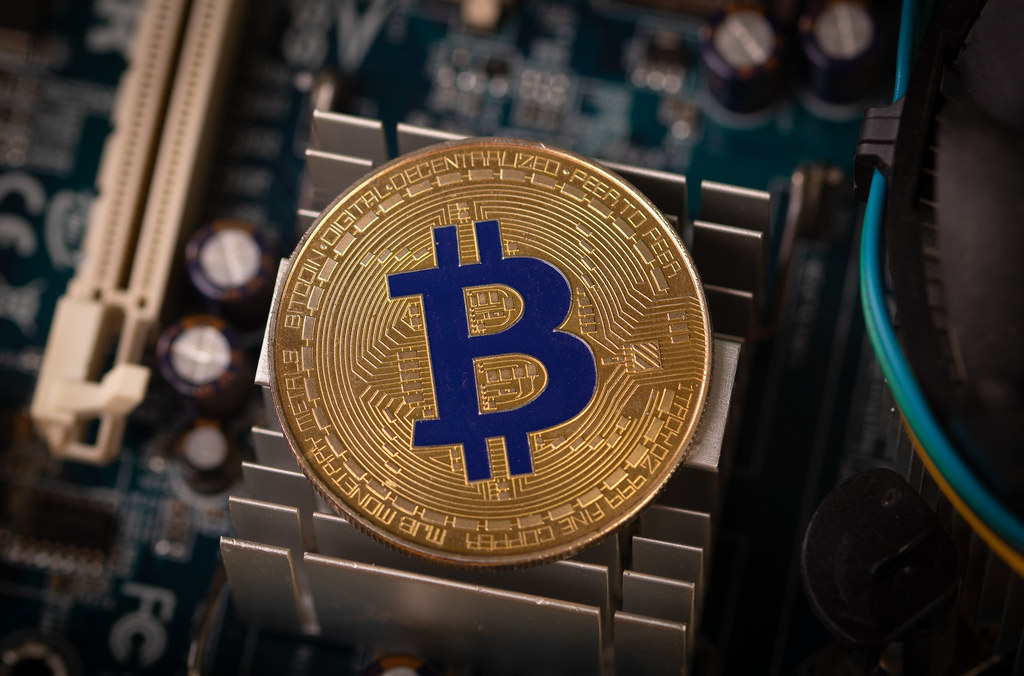
I. Introduction to the World of Bitcoin
Bitcoin is a decentralized digital currency created by an unknown person or group of people using the pseudonym Satoshi Nakamoto in 2009. As of June 2020, the price of one bitcoin exceeded 9,000 USD. It is the most well-known cryptocurrency available on the market today.
The cryptocurrency industry is currently valued at over 150 billion USD, with 1800+ coins on the market, and its popularity is constantly growing. Bitcoin is largely favored due to its decentralized nature, aiding its proponents in maintaining their privacy and staying away from institutions that might otherwise control their money. It also aids in limiting government sanctions because of its transparent and immutable nature, making it easy to digitally transfer assets without relying on trust.
The Bitcoin system is built upon a distributed ledger technology called blockchain, which records all bitcoin transactions over a network of interconnected peer-to-peer computers. These computers form an ad-hoc network that is secured through cryptography and computer protocols. This network is dedicated to verifying and confirming Bitcoin transactions, and it allows Bitcoin users to remain pseudonymous while protecting their funds.
- Security: Bitcoin is encrypted, meaning that user funds are secure from the risk of external theft or fraud.
- Speed: Transactions are fast and optimized for a global network faster than traditional financial systems.
- Decentralization: Transactions are performed on a peer-to-peer (P2P) network, meaning that no one is in control.
- Low Fees: Bitcoin transactions typically have very low fees compared to other forms of payments.
The cryptocurrency market provides a platform for validating transactions quickly, securely, and with minimal processing fees. However, the market is also unregulated so it is important that those using Bitcoin for transactions do their research and understand the risks involved. Nonetheless, many individuals, businesses, and government organizations are actively exploring this technology and its potential applications.

II. Exploring Recent Bitcoin Trends
Since the advent of Bitcoin, it has seen its share of upswings and downturns. Cryptocurrency has been both embraced and rejected by investors for its high potential but inherent risks. Understanding and exploring the recent Bitcoin trends is the key to better investment decisions.
The first trend is the increasing adoption of Bitcoin. We are seeing more mainstream businesses turning to Bitcoin as a payment option. Major players such as Microsoft, Paypal, and Tesla have publicly endorsed the cryptocurrency, while other large institutions have started to invest in it. With increased adoption comes increased confidence, causing the price of Bitcoin to soar to an all-time high.
The second trend is the entry of institutional investors into the Bitcoin market. Investor demand for Bitcoin has been increasing in recent months, leading to an influx of institutional money from Venture Capitalists, Private Equity Firms, and Hedge Funds. These large capital inflows have been driving up the price of Bitcoin, creating unprecedented levels of liquidity.
- Adoption: There has been an increased adoption of Bitcoin on the part of mainstream businesses.
- Institutional Investors: There is a larger presence of institutional investors in the Bitcoin market.
III. Conclusions and Predictions for the Future of Bitcoin
With interest in cryptocurrency surging, Bitcoin is becoming increasingly popular and is an important asset to consider when planning investments. Over the past few years, Bitcoin has gained tremendous acceptance and is now considered an established and accepted unit of exchange around the world. Despite recent criticism, Bitcoin is expected to remain a strong and viable cryptocurrency that will continue to benefit investors for the foreseeable future.
There are many potential predictions for the future of Bitcoin, but the most likely outcome is that it will continue to gain in value and market recognition. As more established financial institutions become involved in the cryptocurrency market, Bitcoin’s stability and reliability will increase. Moreover, the technological advances being made in the blockchain and cryptocurrency space will create opportunities for businesses and investors, while increasing the capabilities of Bitcoin to handle various financial transactions.
- Bitcoin is gaining strength and acceptance, and is now considered a unit of exchange accepted around the world.
- Despite recent criticism, Bitcoin is expected to remain a strong and viable cryptocurrency.
- The future of Bitcoin is likely to see it continue gaining in value and market recognition as more financial institutions become involved.
- Advances in the blockchain and cryptocurrency space will increase the capabilities of Bitcoin, opening up new possibilities for businesses and investors.
The introduction to this article has provided a concise overview of the world of bitcoin. While bitcoin technology and its applications are still in the early stages of development, its promise for disruption and decentralization of financial systems is already evident. Increased adoption of bitcoin by both consumers and businesses alike is likely to shape the digital economy of the future and guide methodologies for economic and financial systems. With the proper regulation, technology, and education it can become a major force in the world economy.