

The Rise of Bitcoin: A New Era for Retail Payments
The advent of Bitcoin has considerably altered the landscape of retail payments, introducing a decentralized and online-based alternative that challenges customary financial systems. as merchants explore this digital currency, numerous advantages prompt a re-evaluation of how transactions can be conducted:
- Lower Transaction Fees: Bitcoin’s transaction costs are generally lower than those imposed by credit card companies and banks, allowing retailers to retain more of their earnings.
- Global Reach: Bitcoin enables transactions across borders without the complications of currency exchange, broadening the customer base for retailers.
- Fraud Reduction: The use of blockchain technology minimizes chargeback fraud, offering greater security for merchants compared to conventional payment methods.
Moreover, the increase in Bitcoin adoption among consumers is spurred by the growing number of platforms supporting cryptocurrency payments. Major payment processors are incorporating Bitcoin options, simplifying the integration for businesses of all sizes. This shift is complemented by an increasing number of businesses, including both small retailers and large multinational corporations, accepting Bitcoin, creating a robust ecosystem. Consumers are also recognizing the benefits of using Bitcoin for everyday purchases, as it provides a sense of autonomy over their finances.
Despite the potential benefits, several challenges remain as retailers consider further integration of Bitcoin into their payment systems. The inherent volatility of cryptocurrency prices poses a risk for businesses that must price goods and services in stable fiat currencies.Additionally, regulatory hurdles and varying acceptance levels across jurisdictions make widespread implementation complex. Retailers must stay informed and adaptable to navigate these challenges effectively and harness the full potential of Bitcoin in the retail payment landscape.
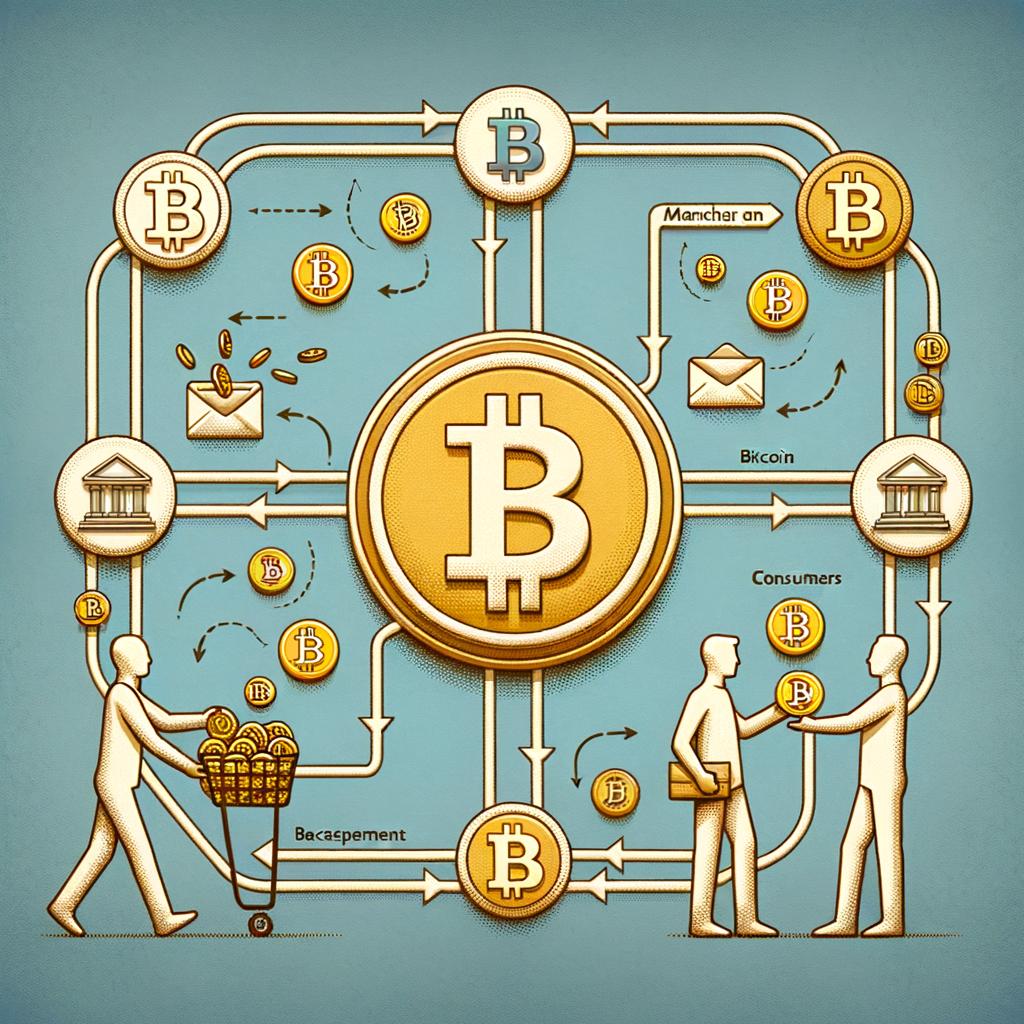
Benefits of Bitcoin Acceptance for Merchants and Consumers
Accepting Bitcoin can significantly enhance operational efficiency for merchants. Transactions conducted with cryptocurrency are processed quickly,often within minutes,and do not rely on traditional banking schedules or intermediaries. As an inevitable result, retailers can benefit from:
- Reduced transaction fees: Bitcoin transactions typically have lower fees compared to credit card processing fees, allowing merchants to keep more of their earnings.
- Global reach: Merchants can attract customers from around the world, effectively expanding their market without the complications of cross-border payment systems.
- Fraud reduction: Bitcoin payments,due to their underlying blockchain technology,provide secure and verifiable transactions,minimizing the risk of chargebacks and fraud.
For consumers, using Bitcoin as a payment method offers unique advantages that enhance their purchasing experience. As digital currency continues to gain acceptance, consumers find value in:
- Privacy: Bitcoin transactions can be conducted without personal information, offering enhanced privacy compared to traditional payment methods.
- Ownership control: Bitcoin allows users to have complete control over their funds, reducing reliance on banks and financial institutions.
- Potential for appreciation: Holding Bitcoin may lead to future value increases, making direct payments in cryptocurrency potentially more advantageous than using fiat currency.
Both merchants and consumers can benefit from the growing ecosystem surrounding Bitcoin, which fosters innovation and diverse economic opportunities. By integrating Bitcoin into their payment systems,businesses can appeal to a broader audience,while consumers gain access to a new,efficient way of transacting. As this digital currency continues to evolve, the collaborative advantages cement its place in the modern economy.
Navigating Challenges: security, Volatility, and Regulatory Hurdles
The cryptocurrency landscape presents a myriad of challenges that investors and enthusiasts must navigate to fully harness Bitcoin’s potential. Security remains a paramount concern,as the decentralized nature of the blockchain can make it an appealing target for cybercriminals. Frequent headlines about hacks and breaches underscore the necessity of robust security protocols. implementing strong password practices, utilizing hardware wallets, and enabling two-factor authentication can significantly mitigate risks associated with digital asset theft.
Another noteworthy challenge is the inherent volatility of Bitcoin and other cryptocurrencies. Price swings can occur within minutes,creating an environment that is both alluring and treacherous for investors. This volatility is influenced by various factors, such as market sentiment, technological advancements, and macroeconomic trends. To manage this unpredictability, investors are advised to employ strategies like dollar-cost averaging and diversification, which can help stabilize returns and reduce emotional decision-making during market fluctuations.
Add to this the growing number of regulatory hurdles that cryptocurrencies face in various jurisdictions. Governments worldwide are grappling with how to classify and regulate digital currencies, resulting in a patchwork of policies that can hinder market growth. Compliance with these regulations frequently enough requires a meaningful investment of time and resources, which can be especially burdensome for smaller players in the market. Stakeholders must stay informed about regulatory changes and engage with policymakers to advocate for clear and fair regulations that support innovation without compromising consumer protection.
the acceptance of Bitcoin by retail giants represents a significant shift in the landscape of commerce, poised to reshape how consumers and merchants engage in transactions. While the potential benefits-such as lower transaction fees, increased consumer security, and access to a broader customer base-are enticing, the challenges surrounding volatility, regulatory frameworks, and consumer understanding cannot be overlooked. As the cryptocurrency market continues to evolve,the path toward mainstream acceptance will likely require a collaborative effort among stakeholders to address these hurdles. The journey toward integrating Bitcoin into everyday retail transactions is still in its infancy,but its implications could herald a new era of innovation and accessibility in the marketplace. For both consumers and retailers,staying informed and adaptable will be key as we navigate this dynamic and transformative financial frontier.