
Exploring the Intrinsic Value of the Fixed Supply of Satoshis
The fixed supply of Satoshis, capped at 2.1 quadrillion, underpins the intrinsic value of Bitcoin within a deflationary framework. this scarcity, much like precious metals, creates a unique economic environment that differs significantly from traditional fiat currencies, which can be printed in unlimited quantities.The implications of such a fixed supply lead to a supply-and-demand dynamic where the scarcity of Satoshis enhances their perceived value over time. As demand for Bitcoin increases, the limited number of Satoshis becomes a critical focal point for investors, leading to potentially greater gratitude in value.
Moreover, the division of a single Bitcoin into 100 million Satoshis introduces an additional layer of accessibility and usability, making it practical for everyday transactions, while still preserving its finite aspect. Individuals can hold fractional amounts, fostering a broader adoption by lowering the barrier to entry for new investors or users who may be deterred by the current price of bitcoin. This granular division allows for microtransactions, which can further stimulate the Bitcoin ecosystem, as people can engage without needing to buy a full unit.
As the market matures, the fixed supply may also catalyze a paradigm shift in how we perceive value. Traditional economic models emphasize continuous growth and inflation, but the Bitcoin model introduces a deflationary aspect where each Satoshi could potentially gain purchasing power over time. The conversation surrounding the value of Satoshis is not merely about numbers but deeply intertwined with broader economic theories and the future of transactions. A world wherein value is held in such limited quantities prompts a conversion in how wealth is stored, accumulated, and transferred, calling for a reevaluation of financial systems in a digital age.
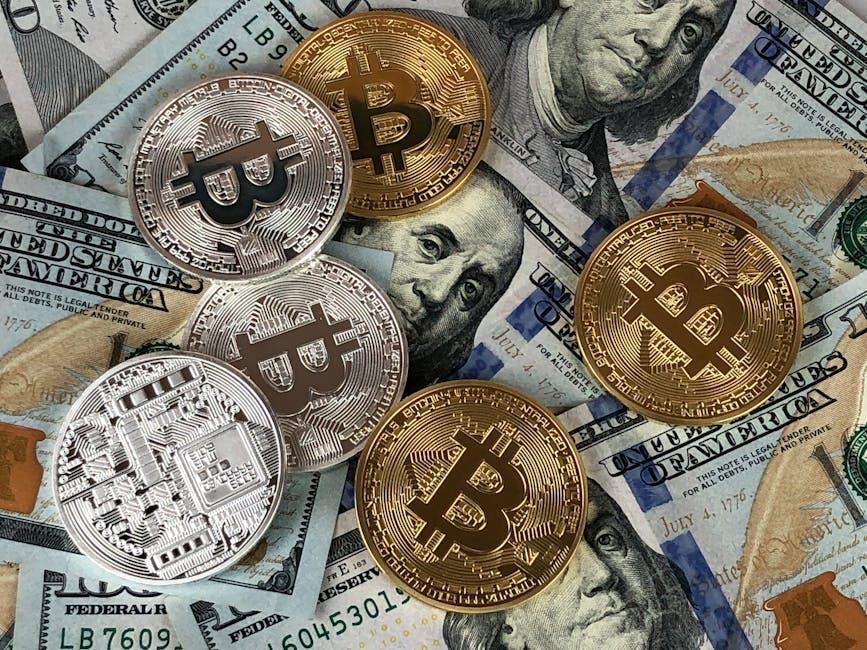
Understanding the Implications of Bitcoin’s Design on Financial Systems
Bitcoin’s design, especially its cap of 2.1 quadrillion satoshis, introduces a paradigm shift in how financial systems can operate.Unlike traditional fiat currencies, which are subject to inflationary pressures and can be printed without limit, Bitcoin’s finite supply creates a deflationary environment.This scarcity impacts supply and demand dynamics, with potential implications for value retention and investment strategies. Investors may view Bitcoin not just as a medium of exchange, but rather as a store of value akin to gold, fundamentally altering asset allocation in personal and institutional portfolios.
The technology underlying Bitcoin, known as blockchain, supports transparency and security that challenges conventional financial practices. In a world where transactions can be opaque and often manipulated, the decentralized nature of Bitcoin promotes trust among users. This shift could encourage more individuals to engage with financial systems, especially in unbanked regions where traditional banking infrastructure may be lacking. As more people recognize the reliability of blockchain, it could lead to a rethinking of how we define trust and security in financial transactions.
Moreover, the inherent limitations of Bitcoin’s total supply could lead to greater volatility in the market as the adoption increases. A limited number of available coins means that demand surges could outstrip supply, resulting in dramatic price fluctuations. This behavior has led to debates over Bitcoin’s viability as a currency for everyday transactions. Some argue that if Bitcoin is primarily seen as a speculative asset, it may resist its role as a stable currency, which is critical for broader acceptance in everyday commerce.
Assessing the Future of Digital Currency in a Limited Supply Environment
As the supply of Bitcoin is capped at 21 million coins,which translates to 2.1 quadrillion satoshis, the limited nature of this cryptocurrency raises vital questions about its future as a medium of exchange. In a world where inflationary pressures persist, and traditional fiat currencies fluctuate in value, Bitcoin’s scarcity offers a unique proposition.The limited supply could bolster Bitcoin’s appeal as a hedge against inflation,attracting institutional investors and individuals alike who seek stability in their financial assets. However, the challenge remains: can Bitcoin maintain its utility as a currency while simultaneously being a store of value?
The growing interest in Bitcoin during economic instability indicates a potential shift in how digital currencies are perceived and utilized.By fostering a culture of widespread adoption,Bitcoin could transition from a speculative asset to a legitimate currency for everyday transactions. Nevertheless, achieving this requires several key factors, including advancements in transaction speed, cost-effectiveness, and the development of robust regulatory frameworks. Without a clear roadmap to enhance its usability, Bitcoin risks being relegated to a niche investment rather than a dominant force in global finance.
Moreover, the emergence of competing cryptocurrencies adds another layer of complexity to the narrative surrounding Bitcoin’s future. Innovative digital currencies are continuously being developed, each with unique features and use cases, which could potentially challenge Bitcoin’s status.To navigate this evolving landscape, the Bitcoin community must engage in proactive discourse about technological upgrades, interoperability with other financial systems, and user education. Only through strategic collaboration and adaptation can Bitcoin maintain its title as the leading digital currency in a world characterized by limited supply and shifting consumer preferences.
Strategies for Investors in a World Shaped by Satoshi’s Cap
as the cryptocurrency landscape continues to evolve,understanding the implications of the fixed supply of 2.1 quadrillion satoshis is crucial for investors. This unique structure influences not only the value of Bitcoin but also the broader market dynamics. Investors are encouraged to adopt a multifaceted strategy that encompasses both short-term trading and long-term holding. Short-term traders might focus on market sentiment, leveraging volatility during key events, while long-term holders should consider the scarcity principle inherent in Bitcoin’s design, recognizing that as demand increases, so does potential value appreciation.
Technical analysis plays a pivotal role in formulating effective investment strategies in this environment.investors can utilize various indicators to assess market trends and identify optimal entry and exit points. Some effective strategies include:
- Moving Averages: Employing simple and exponential moving averages to gauge market momentum.
- RSI (Relative Strength Index): Monitoring overbought and oversold conditions to time purchases effectively.
- Support and Resistance Levels: Analyzing price charts to determine strategic points for buying and selling.
Moreover, diversification is another critical strategy in the realm of cryptocurrency investment. In a market shaped by the hard cap on Bitcoin’s supply, placing funds in a range of cryptocurrencies can mitigate risks while enhancing potential returns. For instance, investors might explore assets with lower market caps that could benefit from Bitcoin’s larger market movements. Additionally, keeping an eye on regulatory developments and technological advancements within the blockchain space can provide insights into emerging opportunities, allowing investors to adjust their portfolios proactively.
the 2.1 quadrillion satoshis limit presents a pivotal point in the evolution of Bitcoin, underscoring both its potential and its constraints. As the adoption of cryptocurrency continues to rise, understanding the implications of this supply cap becomes increasingly crucial for investors, developers, and policymakers alike.The finite nature of satoshis not only influences market dynamics but also poses profound questions about value, scarcity, and the future of digital currency as a whole. As we move forward, ongoing dialog and analysis will be essential in navigating these complexities, ensuring that the principles of decentralization and equitable access remain at the forefront of bitcoin’s journey in the financial landscape.