

Introduction
In recent years, Bitcoin has emerged as a focal point of both academic inquiry and popular discourse, representing a paradigm shift in monetary systems amidst an increasingly scarce economic landscape. As a decentralized digital currency, Bitcoin epitomizes the principles of scarcity and value creation, operating on a finite supply cap of 21 million coins. This article aims to elucidate the intricate relationship between Bitcoin and the dynamics of scarcity, exploring its potential as a viable store of value and medium of exchange against the backdrop of traditional economic theories. By examining the mechanisms of supply and demand, market behavior, and the psychological factors influencing investor sentiment, this study seeks to provide a comprehensive understanding of Bitcoin’s role in contemporary economics. Furthermore, it will investigate the implications of Bitcoin’s scarcity for future economic stability, financial inclusion, and the potential to challenge conventional monetary policies. Through this exploration, we aspire to contribute to the ongoing dialogue surrounding digital currencies and their transformative potential in an era marked by uncertainties in fiat currencies and global economic systems.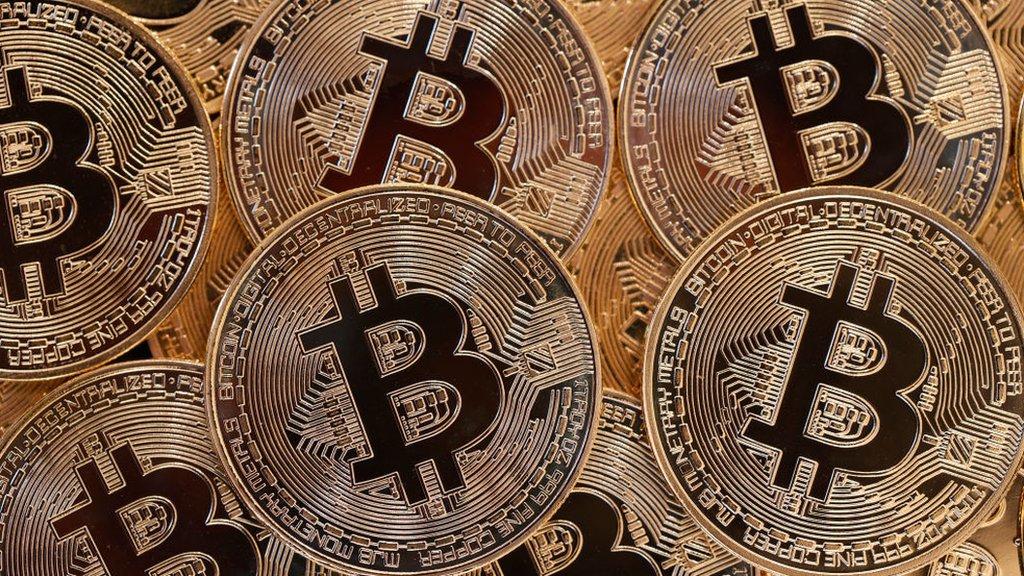
Understanding the Fundamental Scarcity of Bitcoin in Economic Models
To understand Bitcoin’s value proposition in a scarce economy, it is essential to examine its underlying fundamental scarcity, which is a departure from traditional fiat currencies. Unlike government-issued money, which can be printed at will, Bitcoin has a capped supply of 21 million coins, instilling a sense of rarity akin to precious metals such as gold. This fixed supply leads to the following implications in economic models:
- Deflationary Pressure: As demand for Bitcoin increases, its price tends to rise.
- Store of Value: Bitcoin is often viewed as a digital hedge against inflation.
- Speculative Investment: The scarcity factor attracts investors hoping for significant capital appreciation.
In modeling these aspects, economic theories reveal how scarcity can drive value through mechanisms such as supply and demand equilibrium. Moreover, the concept of digital scarcity reshapes traditional economic paradigms, introducing new asset classes and potential investment strategies. The following table illustrates key differences between Bitcoin and traditional fiat currencies:
| Characteristic | Bitcoin | Fiat Currency |
|---|---|---|
| Supply Limit | 21 million | No limit |
| Inflationary Risk | Low | High |
| Central Authority Control | No | Yes |
Analyzing the Role of Bitcoin as a Hedge Against Inflationary Pressures
The relationship between Bitcoin and inflationary pressures has drawn considerable attention in the realms of economics and finance. As traditional fiat currencies face devaluation due to expansive monetary policies, Bitcoin emerges as a potential safeguard against the erosion of purchasing power. Unlike conventional currencies, which can be printed at will, Bitcoin’s supply is capped at 21 million coins, creating a unique scarcity. This inherent limit positions Bitcoin as a deflationary asset, which could appeal to investors seeking to preserve wealth in an increasingly volatile economic landscape.
Moreover, the decentralized nature of Bitcoin offers an alternative to centralized financial systems, which often become susceptible to inflationary trends driven by government interventions. Investors are increasingly viewing Bitcoin as a store of value, akin to gold, driven by its transparent protocol and resistance to manipulation. Key factors supporting this perception include:
- Decentralization: Reduces reliance on any single authority.
- Global Accessibility: Allows participation from individuals in any economic system.
- Historical Performance: Demonstrated resilience during periods of economic instability.
Empirical studies indicate a growing correlation between Bitcoin’s market price and inflationary indicators. As shown in the table below, fluctuations in Bitcoin’s value often mirror economic conditions, particularly during periods of high inflation.
| Year | Inflation Rate (%) | Bitcoin Price (USD) |
|---|---|---|
| 2019 | 1.8 | 3,800 |
| 2020 | 1.2 | 7,200 |
| 2021 | 5.4 | 45,000 |
| 2022 | 7.0 | 19,000 |
Evaluating Technological Innovations Driving Bitcoin Adoption and Value Preservation
As Bitcoin gains traction in a world increasingly conscious of economic scarcity, identifying the technological innovations that support its adoption and value preservation is imperative. Key advancements include blockchain protocol improvements, enhancing transaction speeds and reducing costs. Innovations such as the Lightning Network facilitate microtransactions, enabling users to make instantaneous, low-fee exchanges. Furthermore, the integration of smart contracts expands Bitcoin’s utility, allowing for complex agreements to be executed on the blockchain without intermediaries, thereby broadening its appeal across diverse sectors.
Moreover, institutional adoption is significantly influenced by advancements in custody solutions and regulatory frameworks. Enhanced security measures, such as multi-signature wallets and cold storage options, address concerns regarding asset protection while increasing investor confidence. Additionally, the establishment of compliant frameworks fosters an environment where institutional players can participate in the market safely. These developments create a robust ecosystem that not only protects value but also drives broader acceptance among both individual users and enterprises, reinforcing Bitcoin’s position as a credible alternative in a scarce economic landscape.
Strategic Recommendations for Investors in a Scarce Economic Landscape
In a landscape characterized by economic scarcity, investors should consider adopting a multi-faceted approach that emphasizes resilience and adaptability. Given Bitcoin’s unique properties as a decentralized digital asset, it presents an opportunity for hedging against inflation and currency devaluation. Strategies may include:
- Diversification: Incorporating Bitcoin into a broader portfolio can mitigate risks associated with traditional assets.
- Long-term Holding: A buy-and-hold strategy may yield significant returns as the asset matures and becomes more mainstream.
- Regular Monitoring: Maintaining awareness of market trends and regulatory developments is critical in making informed investment decisions.
Investors should also remain cognizant of the technological and market dynamics that influence Bitcoin’s value. A thorough understanding of blockchain technology, the mechanics of mining, and the overarching supply-demand equation will enhance decision-making processes. Create a proactive investment plan that includes:
| Key Consideration | Impact on Investment |
|---|---|
| Market Sentiment | Can lead to volatility but also significant opportunities. |
| Regulatory Changes | Influence adoption rates and overall market accessibility. |
| Technological Advances | Enhance transaction efficiency and security, attracting more users. |
The Way Forward
the exploration of Bitcoin within the context of a scarce economy reveals a multifaceted instrument that transcends traditional monetary paradigms. Its decentralized architecture, combined with a finite supply cap, positions Bitcoin not merely as a currency but as a robust asset capable of withstanding the pressures of inflationary environments and fostering greater transactional efficiencies. By offering a means of value storage that is resistant to the whims of centralized financial systems, Bitcoin embodies an innovative response to contemporary economic challenges. As we advance into an increasingly digitized and interconnected world, it is imperative that we continue to investigate the implications of Bitcoin’s deployment, not only within the realms of finance but also its potential to reshape our understanding of value itself in a landscape where scarcity and digital innovation intertwine. Future research should aim to delineate the broader economic, social, and technological ramifications of Bitcoin, as its role in a finite economy becomes ever more pronounced.