
Understanding the Total Supply of Bitcoin and Its Implications for Satoshis
The total supply of Bitcoin is capped at 21 million coins, a design choice made by its founder, Satoshi Nakamoto, to introduce scarcity to the digital currency. While this figure ofen dominates discussions, it is essential to delve deeper into the concept of Satoshis, the smallest unit of Bitcoin, to grasp the broader implications of this limitation.Each Bitcoin comprises 100 million Satoshis, resulting in a grand total of approximately 2.1 quadrillion Satoshis available for circulation.this sheer volume introduces both opportunities and challenges within the cryptocurrency ecosystem.
the cap on Bitcoin’s supply inherently influences its value proposition. A finite supply, coupled with increasing demand, traditionally drives prices upward. As Bitcoin continues to gain acceptance as a form of digital gold or a hedge against inflation, understanding the value of Satoshis becomes increasingly critical. Investors, now more than ever, need to appreciate that acquiring Bitcoin in smaller fractions, or Satoshis, is not merely a means of entry into the cryptocurrency market; it is a strategy that aligns with the asset’s long-term gratitude potential.
Moreover, the distribution and utilization of Satoshis carry significant implications for economic behavior in the crypto space. As more users engage with Bitcoin, particularly in microtransactions and everyday spending, the demand for Satoshis will naturally rise. this shift could lead to innovations in payment systems, potentially incentivizing merchants to adopt Bitcoin-further driving up the price and solidifying its status in the financial realm. The finite limit creates a playground for speculation and investment, but it also prompts critical discussions about accessibility and the future of monetary policy within decentralized frameworks.
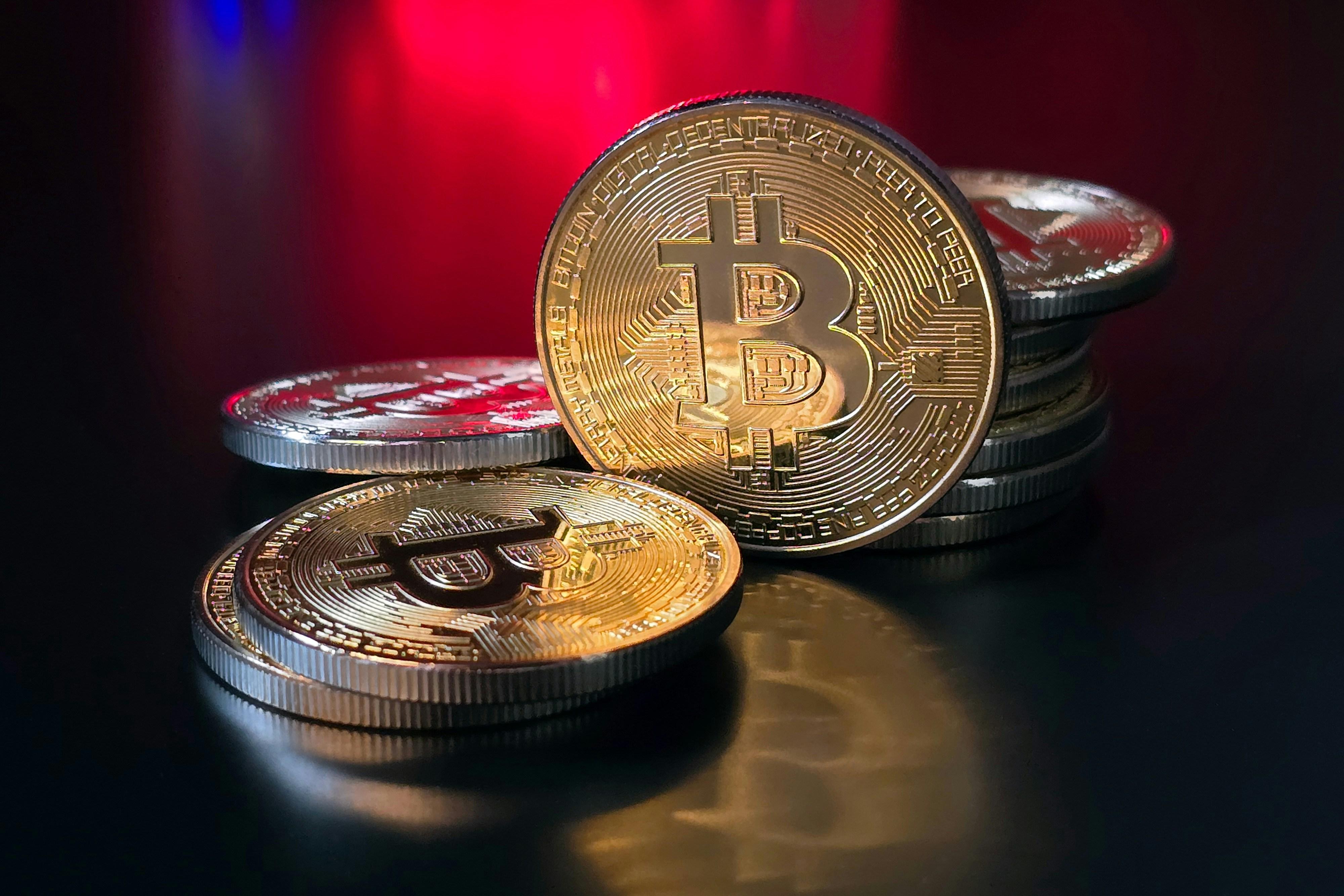
The Mechanics of satoshi Distribution and Utilization in the Cryptocurrency Ecosystem
The distribution of Satoshis,the smallest unit of Bitcoin,operates within a meticulously designed framework that governs how this cryptocurrency is utilized across the globe. The total supply of Bitcoin is capped at 21 million coins, which translates to a finite 2.1 quadrillion Satoshis.This limitation establishes a foundational economic principle within the cryptocurrency ecosystem: scarcity. As the adoption of Bitcoin continues to grow, the competition for these Satoshis will intensify, impacting their value and, consequently, how they are distributed among holders.
Distribution mechanisms are crucial for the enduring growth of Bitcoin’s ecosystem. Various entities play a role in the allocation of Satoshis,including miners,exchanges,and wallet providers.Miners, as an example, are rewarded with Satoshis for their contribution to transaction validation, thus ensuring the network’s security. Exchanges facilitate the buying and selling of Bitcoin, allowing users to convert conventional fiat currencies into Satoshis, which introduces liquidity into the market. Additionally, wallet providers contribute to the utilization of Satoshis by creating interfaces that allow users to store, send, and receive their cryptocurrencies easily.
The significance of Satoshi distribution extends beyond mere economics, influencing social dynamics within the cryptocurrency community. As different groups-whether they are retail investors, institutional participants, or tech developers-acquire Satoshis, varying motivations for holding or spending them emerge. As an example, some may hold Satoshis as a store of value, betting on long-term price appreciation, while others may engage in frequent transactions to leverage volatility for profit. This intricate interplay of motivations highlights the need for a deep understanding of how satoshi distribution shapes the very fabric of the cryptocurrency ecosystem, ultimately affecting its stability and growth.
Evaluating the Future Value Potential of Bitcoin with a Finite Supply
The finite supply of Bitcoin, capped at 21 million coins, translates to a maximum of 2.1 quadrillion satoshis, the smallest unit of the cryptocurrency. This fixed supply creates an intrinsic scarcity that has significant implications for its future value. as more individuals and institutions adopt Bitcoin, the demand for this limited resource could drive its price to unprecedented heights.The concept of scarcity is not new; tho, Bitcoin’s digital and decentralized nature enhances its appeal as a store of value in contrast to traditional fiat currencies, which can be printed at will.
In evaluating Bitcoin’s future value potential, several factors come into play. Market adoption is crucial; as more businesses begin accepting Bitcoin and more investors recognize it as a hedge against inflation, the demand will likely increase. Additionally, the technological advancements and improvements in blockchain infrastructure could enhance transactions’ efficiency and security, thereby encouraging broader usage. Furthermore, geopolitical uncertainties may lead more individuals to seek alternative forms of currency, with Bitcoin standing out as a viable option in times of economic turmoil.
regulatory developments will continue to play a pivotal role in shaping Bitcoin’s trajectory. Positive regulatory frameworks can bolster investor confidence and attract institutional capital, while stringent regulations could stifle growth and hinder mainstream acceptance. As the landscape evolves, the balance between these dynamics will ultimately determine whether Bitcoin achieves its potential as a widely adopted digital currency and a valuable asset class, further emphasizing the importance of understanding its finite supply. The interplay of scarcity, demand, and regulatory forces will shape the narrative around Bitcoin’s future in the global economy.
Strategies for Navigating Investment opportunities within the Satoshi Limit
As the cryptocurrency landscape evolves, understanding the mechanisms surrounding the finite limit of 2.1 quadrillion satoshis becomes imperative for savvy investors. This limit, dictated by Bitcoin’s protocol, places a natural cap on the most granular unit of the cryptocurrency, creating a unique dynamic of scarcity that influences market behavior and investor sentiment. To navigate investment opportunities amidst this constraint, it is indeed essential to recognize that demand push will inevitably shape the pricing of Bitcoin and its derivatives.As the awareness of this finite supply increases, strategic positioning can capitalize on surges in demand.
investors should explore a variety of strategies, including:
- Dollar-cost averaging: The practice of consistently investing a fixed amount of currency at regular intervals ensures exposure to potential price volatility while mitigating the risk of market timing.
- Diversification: Spreading investments across various cryptocurrencies or blockchain-backed projects can cushion against the volatility inherent in the crypto market, particularly during rapid shifts in demand for Bitcoin.
- Educating oneself about market trends: Keeping abreast of technological advancements and regulatory changes affecting Bitcoin and the broader cryptocurrency sphere can provide a competitive edge in identifying promising opportunities.
Moreover, leveraging data analytics and sentiment analysis tools can refine investment decisions. By assessing market trends and participant sentiment,investors can predict potential shifts in demand driven by external influences,such as geopolitical events or institutional adoption. Recognizing when the market overshoots or undershoots its valuation in relation to the finite supply of satoshis allows for timely entry or exit points. Continuous engagement with market indicators and sentiment helps align investments with the economic realities posed by bitcoin’s capped supply, maximizing the potential for return in a highly speculative environment.
the finite limit of 2.1 quadrillion satoshis marks a crucial aspect of bitcoin’s economic framework, impacting both its valuation and scarcity. As the digital currency continues to penetrate mainstream financial systems, understanding the implications of this capped supply becomes increasingly important.The limited availability of satoshis not only influences market dynamics but also shapes the future of digital currencies as a whole.As investors and enthusiasts alike navigate this evolving landscape, the finite nature of satoshis serves as both a protective barrier against inflation and a challenge in fostering widespread adoption. Looking ahead, the interplay between supply limitations and demand will be pivotal, steering the narrative of Bitcoin’s role in an increasingly digitized economy. Thus, as we explore the intricacies of this unique monetary system, the lesson remains clear: scarcity, when effectively harnessed, can lead to profound transformations in how we perceive and utilize currency in the modern world.