

Understanding Bitcoin: A Brief Overview of Cryptocurrency in Retail
Bitcoin has emerged as a important player in the retail landscape, providing both challenges and opportunities for vendors and consumers alike. As the first decentralized digital currency, it operates without the need for a central authority, thereby transforming customary retail transactions. It’s underlying technology, blockchain, enhances security and transparency, making it increasingly appealing to businesses looking to adopt innovative payment solutions.
Incorporating Bitcoin into retail operations allows businesses to benefit from various advantages, including:
- Lower transaction fees: Compared to credit card payments, Bitcoin transactions typically incur lower fees, which can significantly benefit retailers.
- Global reach: Bitcoin is accessible to anyone with an internet connection, allowing retailers to tap into a broader customer base, including international shoppers without the need for currency conversion.
- Fraud reduction: The secure nature of blockchain technology can definitely help mitigate risks associated with chargebacks and fraud, which are prevalent in traditional payment systems.
While the integration of Bitcoin in retail is promising, several hurdles remain.Price volatility continues to be a significant concern for both consumers and businesses; fluctuating exchange rates can deter potential use as a stable currency. Furthermore, regulatory uncertainties exist across different jurisdictions, which can complicate the legal landscape surrounding cryptocurrency transactions. retailers must navigate these challenges carefully to maximize the benefits of accepting Bitcoin while ensuring compliance and operational efficiency.
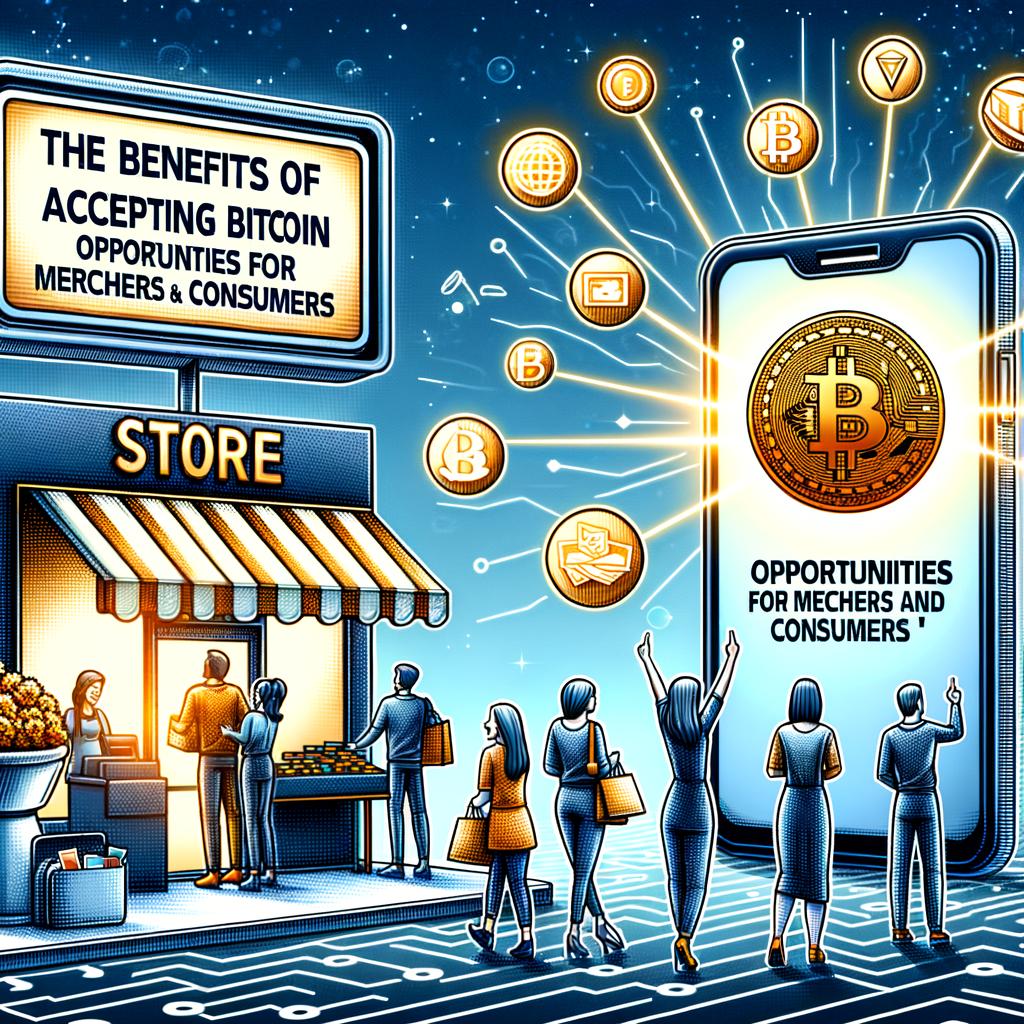
The Benefits of accepting Bitcoin: opportunities for Merchants and Consumers
As digital currencies gain traction, merchants have the unique chance to harness the power of Bitcoin to expand their customer base. By accepting Bitcoin, businesses can attract tech-savvy consumers or those who prefer to conduct transactions outside of traditional banking systems. This opens up avenues for reaching international audiences without the constraints of currency conversion fees,allowing for smoother and quicker transactions. Additionally, businesses can benefit from the growing adoption of Bitcoin, positioning themselves as forward-thinking leaders in their respective markets.
From a consumer’s viewpoint, the acceptance of Bitcoin offers enhanced privacy and security in transactions. Unlike credit card transactions, which can expose personal information to potential breaches, bitcoin provides a level of anonymity due to its decentralized nature. furthermore, Bitcoin transactions often come with lower fees compared to traditional payment processors, allowing consumers to save money, especially for larger purchases. This financial incentive can encourage more frequent use of Bitcoin,creating a positive feedback loop for merchants who accept it.
Moreover, integrating Bitcoin as a payment option can stimulate innovation within businesses. As merchants adapt to this new currency,they are likely to explore emerging technologies related to blockchain,smart contracts,and decentralized finance (DeFi). This can lead to new enhancements in supply chain management, customer loyalty programs, and payment processing efficiency. The ripple effect of adopting Bitcoin can transform not only the financial landscape but also the overall operational framework of companies, paving the way for more agile and dynamic business models.
Challenges Ahead: Addressing the Hurdles to Widespread Bitcoin Adoption in Retail
The path to widespread Bitcoin adoption in retail is fraught with numerous challenges that stakeholders must confront. One of the most significant hurdles is the volatility of Bitcoin’s value, which raises concerns for both merchants and consumers.Retailers may hesitate to accept a currency that can substantially fluctuate within short timeframes, risking profits when Bitcoin’s value dips. Moreover, many consumers might potentially be reluctant to spend their Bitcoin savings, fearing that the value could appreciate after their transaction, leading to a reluctance to use this cryptocurrency for everyday purchases.
Another critical barrier to adoption lies in regulatory uncertainty surrounding Bitcoin transactions. Different countries have varying regulations regarding the use of cryptocurrencies, which can create confusion for retailers operating internationally. Compliance with regulations related to anti-money laundering (AML) and know-your-customer (KYC) requirements can impose additional burdens on both small and large businesses considering Bitcoin as a payment option.The lack of a universal regulatory framework may deter retailers from adopting Bitcoin, as they seek to navigate the complex legal landscape.
Moreover, the technical infrastructure needed for seamless Bitcoin transactions presents another challenge. While there are many service providers and tools available for retailers to accept Bitcoin, the integration of these systems can be complex and costly. Retailers may face difficulties in setting up point-of-sale systems that can efficiently handle Bitcoin transactions while ensuring security and transparency. Additionally, consumers may require education and support to use Bitcoin as a payment method effectively, introducing further complexity into the retail ecosystem. Addressing these technical barriers is essential for creating a more favorable surroundings for Bitcoin transactions.
As we stand at the crossroads of technology and commerce, the consideration of Bitcoin acceptance in retail presents both exciting opportunities and significant challenges. The potential for enhanced transaction speed, lower fees, and expanded customer bases invites retailers to reimagine the future of payments. However, concerns regarding volatility, regulatory compliance, and consumer education cannot be overlooked.
As this landscape continues to evolve, the dialog surrounding cryptocurrency in retail will undoubtedly intensify. Retailers must weigh the benefits against the risks, ensuring they are prepared for a transition that could redefine consumer engagement and financial transactions. Whether Bitcoin becomes a staple in everyday spending or remains a niche option will depend on collaborative efforts from businesses, consumers, and regulators alike. The journey towards broader acceptance is complex but holds the promise of a more integrated financial ecosystem. As we look ahead, the engagement with Bitcoin and other cryptocurrencies will be a pivotal chapter in the future of retail commerce.