
Understanding Blockchain Gaming: A New Era in Digital Entertainment
Blockchain gaming represents a transformative shift in how digital entertainment is created, experienced, and monetized. By leveraging decentralized ledger technology, developers can ensure transparency, security, and ownership of in-game assets. Unlike conventional gaming models where purchases and in-game items remain under centralized control, blockchain games allow players to truly own their virtual goods through the use of non-fungible tokens (nfts). This empowerment provides gamers with not only the ability to trade or sell their assets but also the potential to turn their gameplay experience into a source of income.
The incorporation of blockchain technology in gaming introduces new mechanics that enhance user interaction and engagement. Play-to-earn models are gaining traction, allowing players to earn cryptocurrency or tokens as they progress in their favorite games. This creates an incentive structure that has the power to attract a more diverse player base, as individuals from various backgrounds can participate and benefit economically, regardless of their previous experience or skill level in gaming. Such innovation paves the way for community-driven ecosystems where players actively contribute to the development and governance of games.
Furthermore, the rise of blockchain gaming is indicative of a larger trend toward decentralized platforms where players have a voice in the direction of their gaming experiences.Unlike conventional games,where development decisions are made behind closed doors,blockchain projects often engage communities through decentralized autonomous organizations (DAOs). Players can vote on key decisions, such as game mechanics or future content releases, fostering a sense of community ownership and responsibility. This shift not only changes the dynamics of player-developer relationships but also signals a broader change in the landscape of digital entertainment as a whole.
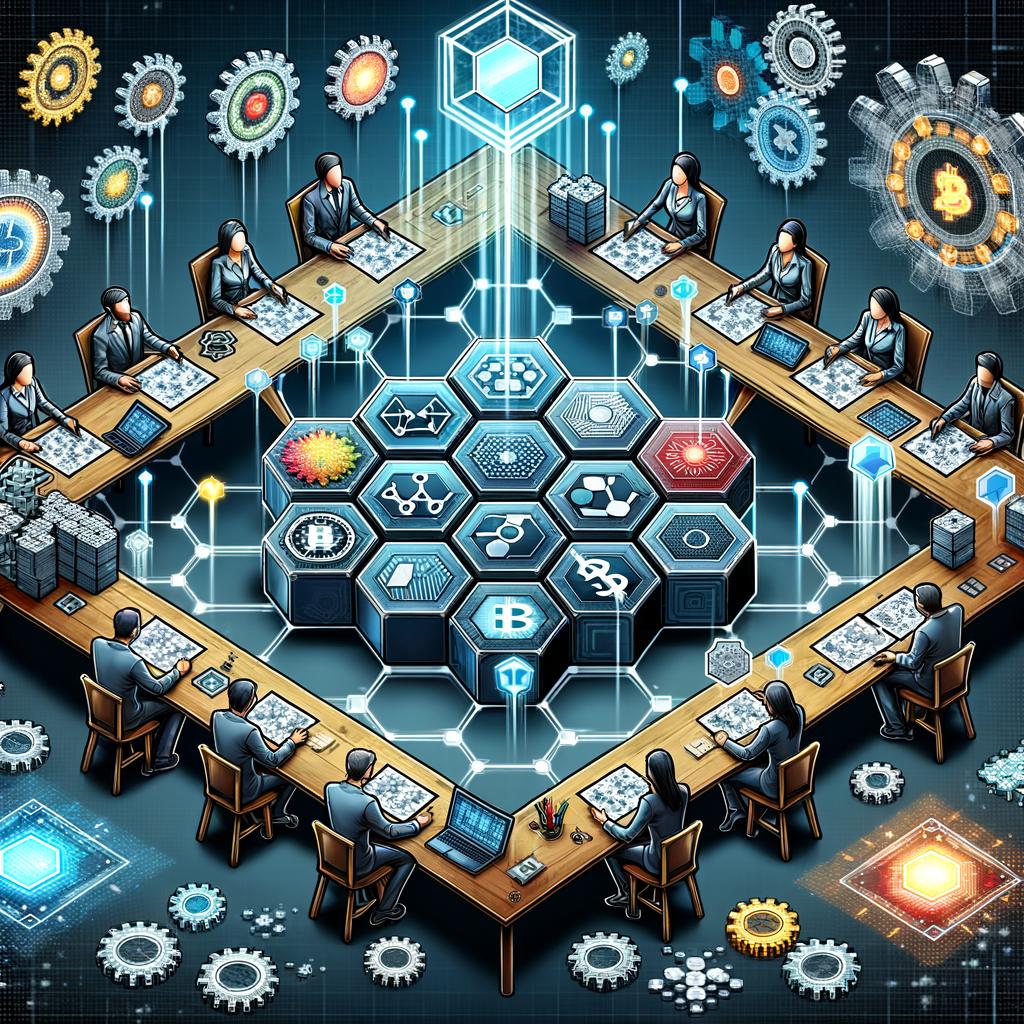
The Mechanics of Blockwars: Strategy Meets Decentralization
at the core of Blockwars lies a refined gameplay structure that brings together strategic maneuvering and decentralized economic principles.Players engage in strategic battles that require keen foresight, resource management, and tactical planning. Unlike traditional gaming, where players often have little voice in game direction, Blockwars empowers individuals by allowing them to stake tokens that grant voting rights on game developments and updates. This innovative approach not only enhances player agency but also fosters a sense of community ownership.
The game world of Blockwars operates on a dual-layer economy, where in-game assets are tokenized on the blockchain. Each asset,whether it be characters,items,or land,is represented as a non-fungible token (NFT),allowing players to buy,sell,and trade them within a decentralized marketplace. This opens up a myriad of possibilities for players to strategize their gameplay, such as:
- Investing in rare assets: Players can acquire unique NFTs that may appreciate in value over time.
- Creating synergies: Combining different assets to form powerful alliances and gain competitive advantages.
- Participating in governance: Leveraging token stakes to influence gameplay modifiers and potential expansions.
Moreover, blockwars incorporates a dynamic rewards system tied to players’ contributions and engagement levels. As players actively participate in battles or community events, they earn tokens that reflect their performance and commitment. This not only incentivizes strategic gameplay but also reinforces the belief that every player can contribute to the game’s evolution.The decentralized model ensures that the ecosystem thrives on player experiences and interactions, making every strategic choice significant and impactful.
Player Empowerment: From Gamers to Stakeholders in the Virtual Economy
The landscape of gaming is rapidly transforming, as players transition from passive participants to active stakeholders in the evolving digital economy. This shift is largely attributed to the rise of blockchain technology and the integration of decentralized finance (DeFi) elements into gaming. Gamers now possess the ability to own, trade, and monetize in-game assets, creating a new paradigm where their contributions directly influence the value and sustainability of the game’s ecosystem.
One of the most significant developments in this arena is the concept of play-to-earn models,which enable players to earn real monetary rewards through gameplay. This model not only incentivizes engagement but also fosters a more inclusive surroundings where individuals from various socioeconomic backgrounds can participate. As players become essential contributors, they can influence game design, community governance, and market dynamics, thereby enhancing their overall gaming experience.Key benefits of this model include:
- Direct financial incentives for gameplay.
- Greater player engagement and retention.
- Increased opportunities for creators and developers.
As gaming evolves into a decentralized economy, the role of the player goes beyond mere entertainment. Gamers are now empowered to voice their opinions on game developments, participate in decision-making processes, and even invest in the future of gaming projects.This transformation has led to a more democratic gaming landscape, where community-driven initiatives can take center stage. Furthermore, as players gain a stake in the success of the games they love, we can expect a cultural shift that champions collaboration, creativity, and economic empowerment within the virtual realm.
As we stand on the brink of a new era in gaming,Blockwars exemplifies the innovative potential of blockchain technology in creating immersive,player-driven experiences. By blending strategic gameplay with decentralized economies, it not only enhances player engagement but also empowers users to have a tangible stake in the evolution of the game itself. This shift from traditional gaming paradigms to blockchain-based models signifies a critical transformation in how we perceive ownership, participation, and community in the digital realm. As more players embrace this revolutionary approach, the future of gaming looks not just exciting but also deeply collaborative. The advent of Blockwars is just one example of how technology can redefine entertainment, urging us to reconsider what it means to play, engage, and invest in virtual worlds. As the landscape continues to evolve, one thing is clear: the gaming experience will never be the same again.