

Ethereum, the world’s second largest cryptocurrency, is facing hurdles as the protocol continues to struggle with rapid network growth. Amidst the expanding ecosystem, blockchain-based network Optimism recently airdropped $27 million worth of tokens, igniting increased optimism about Ethereum’s usage and potential. In this article, we’ll take a detailed look at the protocol’s sprawl and the surge in enthusiasm as Optimism’s airdrop shakes up the Ethereum network.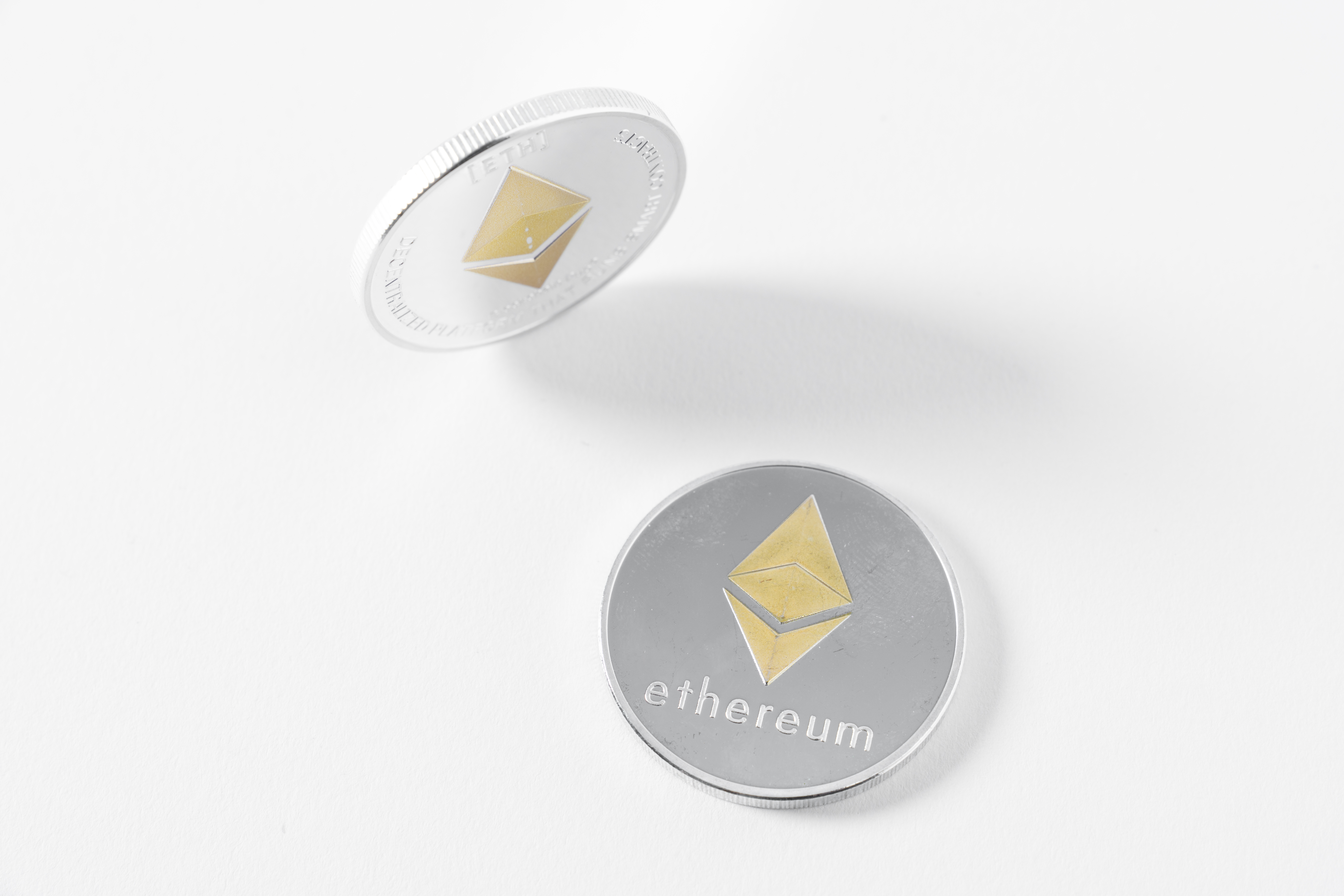
I. Ethereum Struggles with Sprawled Network
The Ethereum Network has experienced problems due to its expansive reach across disparate applications. This has led to issues with scalability, causing interruptions in access and transaction processing.
With its ever-increasing adoption and usage, the Ethereum Network is hindered by its current inadequate structure. As its popularity increases, scalability becomes more and more difficult for it to handle, leading to slowdowns and other imbalances in the system.
Issues include:
- Network not optimized for explosive growth
- Increased latency for transactions
- Lack of language-level abstraction
Ethereum developers are currently engaged in identifying ways to improve scalability and lower latency. Various solutions such as sharding and Gas Masking are currently being explored and integration into the main network is expected soon.
II. Optimism Airdrops $27M into Ecosystem
Optimism, a leading Ethereum-based Layer 2 scaling solution, has recently announced the start of an ambitious airdrop campaign, sending out a total of $27 million worth of its capped token, OVM.
The initiative draws participants from the larger Ethereum ecosystem, which includes dApp and DeFi platforms, development teams, as well as data providers.
The campaign’s end goal is to heighten user engagement and attract new users through the airdrop, while encouraging developers to collaborate with Optimism and build on its Layer 2 architecture. Stakeholders who join the airdrop will also benefit from OVM’s deflationary supplies and governance rights.
The OVM tokens distributed through the airdrop will be used for voting on key decisions within Optimism’s project governance, and for rewards to those who actively participate in supporting and using the Optimism platform. Additionally, OVM tokens will serve as the medium of exchange for gas fees paid on Optimism, making transactions much cheaper.
The airdrop is divided into several stages that will start with an exclusive prelaunch announcement. Those who qualify as eligible participants will receive their tokens in the following weeks, and the campaign is expected to last through October 2021.
III. Implications of the Protocol for Ethereum’s Future
The Ethereum 2.0 protocol has the potential to revolutionize Ethereum and shape its future. Here are the implications of this development:
- Speed and scalability: The Ethereum 2.0 protocol will use a “Proof-of-Stake” (PoS) consensus algorithm, which is faster and more energy-efficient than the current “Proof-of-Work” (PoW) protocol. This will enable Ethereum to scale up and process more transactions per second.
- Increased security: The PoS algorithm is more secure than PoW, as it incentivizes validators to maintain the network and makes it more difficult for malicious actors to interfere with it.
- Lower transaction costs: The improved efficiency of the Ethereum blockchain should help reduce transaction fees by relieving the network of unnecessary strain.
The Ethereum 2.0 protocol is a major milestone for the Ethereum project and could be the key to unlocking its full potential. With its improved performance, increased security, and lower costs, Ethereum’s future looks brighter than ever.
It remains to be seen how quickly developers and users will adopt the new protocol, but it’s looking like Ethereum’s long-awaited transition to 2.0 is finally within sight.
The Protocol: Ethereum continues to struggle with sprawl and the ongoing battle between those forces for and against the system. Despite this, the undeniable optimism about Ethereum and its potential and capacity to handle operations of larger scale, along with the recent $27 million airdrop, gives supporters and experts in the field hope that Ethereum will continue to play an increasingly significant role in the blockchain industry for years to come.