

The Ethereum Foundation has announced an investment of nearly $9 million for development projects and conferences in the second quarter of 2019, continuing its mission of widespread decentralization of the Ethereum blockchain. In a statement released on Tuesday, July 2nd, the non-profit revealed the recipients of the funds, aimed at driving research and development of key projects within the Ethereum ecosystem.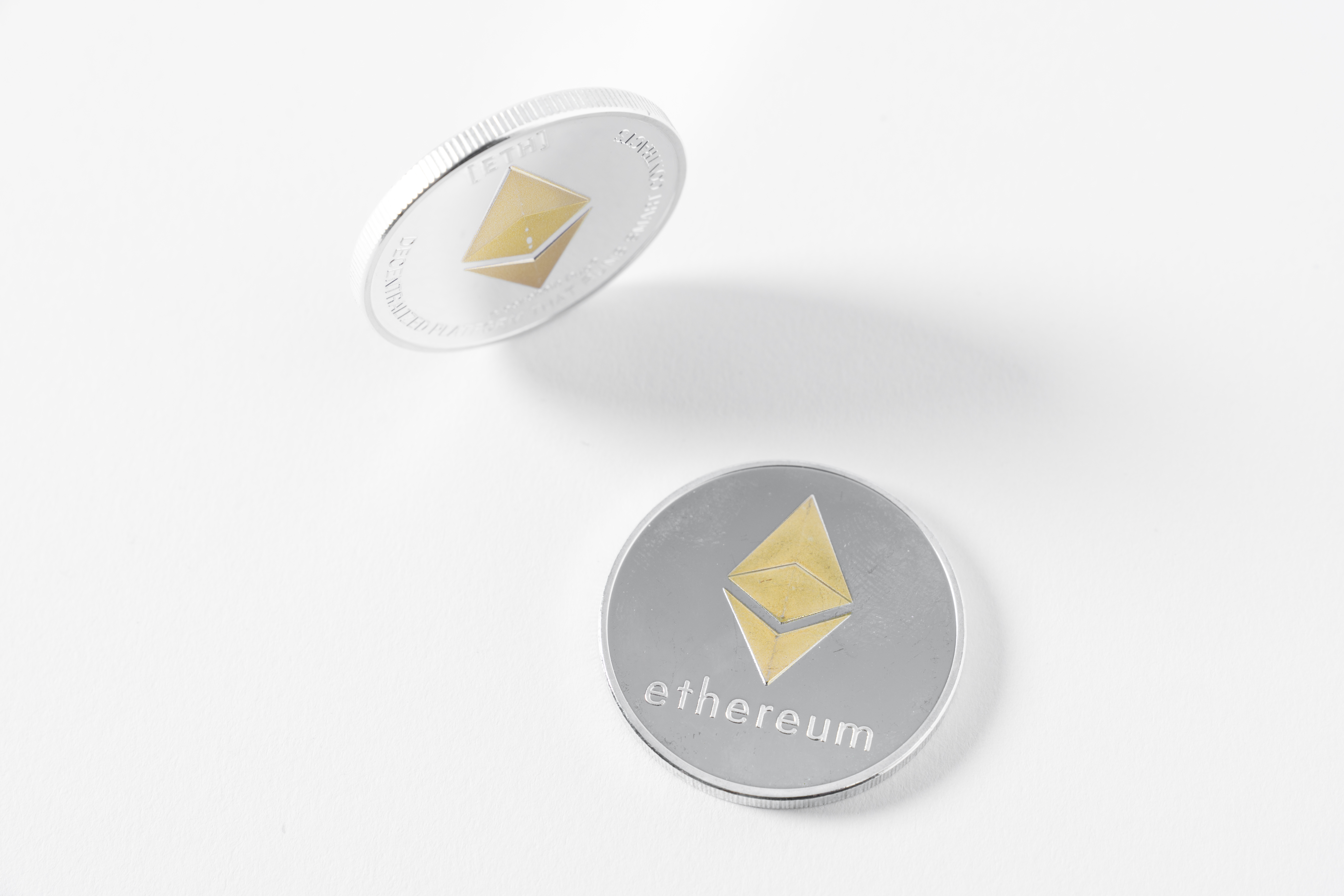
1. Ethereum Foundation Grants Over $9 Million in Q2 Project and Conference Funding
The Ethereum Foundation has completed its second quarter of 2021 with over $9 million in funding for various projects and conferences. This round of funding is designed to support existing projects and improve the scalability and usability of Ethereum.
Ethereum is one of the most popular open-source blockchain platforms and has seen an increasing amount of activity over the past year. The Ethereum Foundation is an independent non-profit organization, tasked with supporting the development of the Ethereum network. In order to maintain the development of the network and grow its user base, the Foundation provides grants for various projects and conferences.
In the second quarter of 2021, the Ethereum Foundation granted over $9 million in funding to 32 projects and 4 conferences. This includes funding for the Ethereum Core Devs’ grant, Eth 2.0 research, and Sharding development. A significant amount was also allocated for projects focused on scaling the network, improving the usability of applications, and making development tools more accessible.
Among the recipients are projects such as:
- OpenFinance Network: Over $780,000 in funding to develop cross-chain integration for decentralized finance applications.
- Weeve Network: Over $200,000 in funding to create a decentralized network for devices.
- Rainbow Network: Over $450,000 in funding to build a protocol for high-accuracy digital identities.
The Ethereum Foundation states that these grants will help to strengthen the Ethereum ecosystem in the long-term. With this funding, the Foundation is able to support the development of the network and improve its usability for developers and users alike.
2. Ethereum Foundation’s Modest Mid-Year Spending Surpasses Q1
As the cryptocurrency market continues to develop, market participants and developers have the opportunity to invest their money in various projects. The Ethereum Foundation is one such example of an organization that has been investing in building the Ethereum ecosystem. Recently, the foundation released figures about their mid-year spending, which exceeded that of the first quarter.
Major Areas of Spending
The Ethereum Foundation has invested heavily in development and research, two areas that play a significant role in the cryptocurrency market. Development investments have been aimed at areas such as the Ethereum Virtual Machine, decentralized applications, and scalability research. Research investments have focused on topics such as privacy, cryptography, and property rights.
- Development Investments: Ethereum Virtual Machine, Decentralized Applications, Scalability
- Research Investments: Privacy, Cryptography, Property Rights
The foundation has also invested in public goods, such as deploying infrastructure and developing tools for developers to use. Other projects receiving funds from the Ethereum Foundation include research grants, marketing and education initiatives, and grants to support local initiatives.
- Public Goods: Deploying Infrastructure, Developing Tools
- Other Projects: Research Grants, Marketing & Education Initiatives, Local Initiatives
Overall, the Ethereum Foundation’s mid-year spending demonstrates how much effort the organization is dedicated to investing in Ethereum’s growth and development. By putting its resources behind the development of the Ethereum blockchain, the organization is investing in a future of innovation.
3. Who Received Ethereum Foundation Funding in Q2?
Q2 saw Ethereum Foundation disperse grants to a number of innovative projects. The aim of the grants is to develop the Ethereum network and help projects accelerate their progress. Here’s a look at the main recipients of the Ethereum Foundation funding in the second quarter of 2021:
- uPort: uPort is developing self-sovereign identity and identity management tools that are compatible with the Ethereum protocol.
- Open Source Video Platform (OSVP): The OSVP team is creating a decentralised video streaming platform that will be powered by the Ethereum network.
- Hydro Protocol (DHX): DHX is building on-chain liquidity hubs to help connect consumer-facing dApps to the Ethereum network as well as enhanced capital efficiency.
- Kleros: Kleros is building a decentralized dispute resolution platform that utilizes smart contracts to automate dispute resolution process.
- Hubii: Hubii is an Ethereum-based platform for content creators and media outlets to curate, disseminate, and monetize content.
uPort: uPort, a self-sovereign identity platform built on Ethereum, attained funding of $200,000 from the Ethereum Foundation in Q2. With this funding, uPort is planning to develop its identity and identity management tools with support for additional wallets and protocols beyond the Ethereum network.
Open Source Video Platform (OSVP): The OSVP team secured a grant of $150,000 from the Ethereum Foundation in Q2 and are aiming to build a decentralised video streaming platform. The platform will enable users to monetize their content and receive payment for the video streams.
Hydro Protocol (DHX): DHX received $75,000 from the Ethereum Foundation in Q2 for the development of on-chain liquidity hubs. These hubs will enable users to interact with consumer-facing dApps and experience capital efficiency.
Kleros and Hubii: Both Kleros and Hubii were the other two recipient of the Ethereum Foundation funding in Q2, each receiving a grant of $50,000. Kleros is building a decentralized dispute resolution platform that uses smart contracts. Hubii, on the other hand, is developing a platform for content creators and media outlets.
4. How the Funding Decisions are Made
Decision Criteria
The process of making funding decisions is vitally important in making sure that the funds are used for the best possible projects. Each application is parsed against specific criteria, to ensure its eligibility and potential for success. This criteria may vary based on the type of funding and the circumstances of the applicant, but some common factors include the applicant’s prior track record, how well-defined the plans and goals are, and the potential of the project to make an impact. When making a decision, the funding council takes all of these factors into account to determine the best courses of action.
Making a Decision
The funding council will then go through the list of applications and make a decision on each one, based on their individual merits and judging criteria. On some occasions, an application may fail to meet the criteria, or may not be suitable in relation to the objectives of the funding body. In other cases, there may be multiple applications of a high quality, so the council may award the most suitable project a higher level of funding.
When making the final decision, the council may also consult other experts for input, such as industry professionals, academics, or members of the public who have knowledge of the project in question.
Practical Considerations
The ultimate decision must also take into account practical considerations. When selecting projects to be funded, it is important to have a complete picture of the financial and logistical implications. This includes the costs of delivery, the availability of the resources required, and the timeline for achieving results.
In addition, when taking on a new project, the funding body will need to consider how it fits with their other commitments. They will need to determine whether the new project will be able to be adequately funded and managed, while still allowing them to fulfil their existing obligations.
The Ethereum Foundation’s commitment to supporting the Ethereum developer community is clear, as their latest round of funding serves as further evidence of their dedication and enthusiasm for fostering growth and innovation on the Ethereum network. The Foundation is focused on broadening the base of developers and users working on Ethereum, and will continue to invest in initiatives that reinforce trust and resilience on the network.