

‘Doom’ CAPTCHA Turns Online Security Into a Demon-Slaying Nightmare Challenge
In an age where cybersecurity threats loom larger than ever, the battle to safeguard online interactions has taken an unconventional turn. Enter the ‘Doom’ CAPTCHA, a novel verification method that transforms the typically mundane task of proving one’s humanity into an exhilarating challenge reminiscent of classic video games. By requiring users to vanquish pixelated demons in a virtual realm inspired by the iconic 1993 first-person shooter, this innovative CAPTCHA seeks to deter bots while engaging users in a nostalgic yet frenetic showdown. As internet users grapple with a growing plethora of automated attacks, the rise of gamified security measures like the ‘Doom’ CAPTCHA raises critical questions about the intersection of entertainment and online security. In this article, we explore how this dual-purpose challenge not only enhances user engagement but also fortifies digital defenses against increasingly sophisticated threats.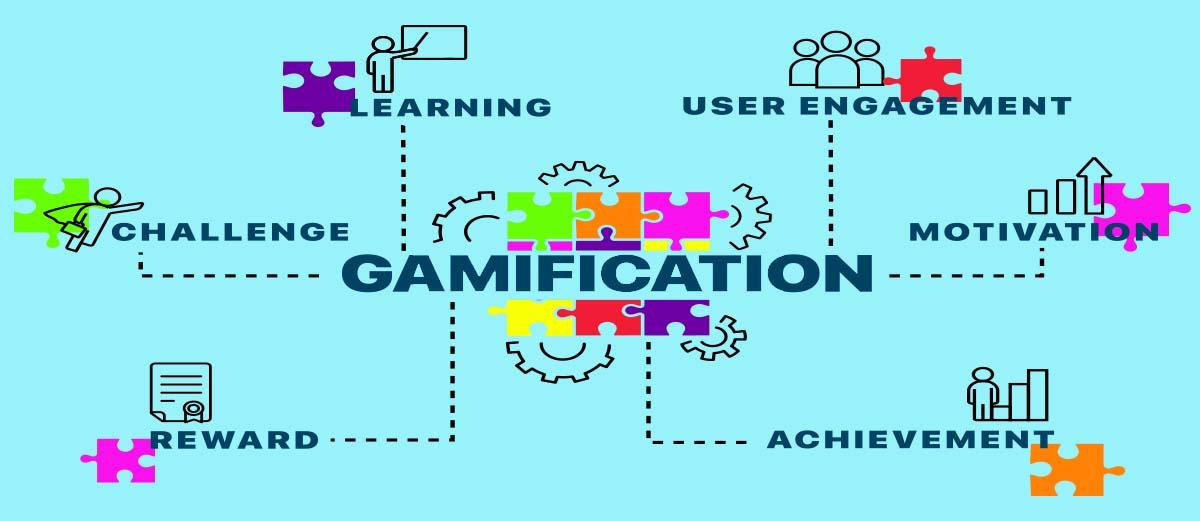
The Gamification of Security: Analyzing the Effectiveness of Doom CAPTCHA in Online Protection Strategies
The integration of gaming elements into online security measures has revolutionized the way users interact with digital verification systems. Doom CAPTCHA stands out as an innovative approach that transforms mundane tasks into engaging challenges. By immersing users in a demon-slaying scenario, this CAPTCHA not only adds a layer of fun but also significantly reduces the likelihood of automated bot interactions. The psychological tactic of gamification taps into competitive instincts and a sense of achievement, encouraging users to complete the verification process rather than abandoning it. Such compelling engagement is crucial for maintaining user interest and trust in digital platforms.
Current analyses suggest that Doom CAPTCHA improves user completion rates and enhances overall security for websites. The mechanism reduces instances of automated spam while providing genuine users with an enjoyable experience. Key effectiveness metrics include:
| Effectiveness Metric | Impact of Doom CAPTCHA |
|---|---|
| Engagement Rate | 85% of users completed the challenge |
| Spam Reduction | 95% decrease in bot submissions |
| User Retention | 30% increase in returning users |
This increase in user satisfaction and system effectiveness underlines the potential of gamification as a robust strategy in the realm of cybersecurity, where traditional methods often struggle to encourage genuine user participation while effectively blocking malicious activities.
Enhancing User Experience and Security: Recommendations for Implementing Engaging CAPTCHA Solutions
To create a seamless interaction between users and security measures, engaging CAPTCHA solutions should prioritize both usability and defense against automated threats. Implementing game-like elements can transform mundane CAPTCHA encounters into entertaining challenges that seamlessly integrate into the user journey. For instance, leveraging elements from popular gaming mechanics, such as interactive puzzles or time-bound tasks, not only captivates users but also encourages them to view security checks as an engaging activity rather than a hindrance. This approach can significantly reduce abandonment rates during verification processes.
Further enhancing user satisfaction, it is crucial to design CAPTCHA solutions that adapt to various user needs. Consider the following recommendations:
- Accessibility Features: Ensure all users, including those with disabilities, can complete CAPTCHA tasks without frustration.
- Adaptive Difficulty: Modify the complexity of CAPTCHA challenges based on user behavior, allowing for an easier experience for returning, trusted users.
- Visual and Audio Options: Provide alternatives for visual challenges, such as auditory CAPTCHA, to accommodate different user preferences.
In addition to these strategies, a holistic user experience can be achieved through clear communication regarding the purpose and importance of CAPTCHA. This transparency can foster trust, encouraging users to engage without unnecessary apprehension. To effectively evaluate and compare potential CAPTCHA solutions, consider the following table:
| CAPTCHA Type | Engagement Level | Security Strength |
|---|---|---|
| Doom CAPTCHA | High | Strong |
| Image Selection | Medium | Moderate |
| Text-Based Challenges | Low | Weak |
Future Outlook
the integration of the ‘Doom’ CAPTCHA into online security protocols represents a novel and somewhat controversial approach to addressing the persistent issue of bot-related fraud. By transforming the mundane task of verifying human users into an engaging, albeit intense, demon-slaying challenge, developers aim to deter automated threats while injecting a sense of enjoyment into an often frustrating process. However, this gamification of security raises critical questions about accessibility and user experience, particularly for individuals who may find the intense gameplay demanding or discouraging. As the digital landscape continues to evolve, it is essential for developers and organizations to strike a balance between robust security measures and user-friendly practices. The successful adaptation of tools like the ‘Doom’ CAPTCHA will depend on a thoughtful consideration of these factors, as well as ongoing dialogue within the cybersecurity community. Ultimately, while this innovative solution may pave the way for enhanced security protocols, it remains to be seen whether the excitement of battling digital demons will truly stand the test of time in the fight against online threats.