

The Evolution of QR Codes: From Niche to necessity
Initially developed in 1994 by Denso Wave, a subsidiary of Toyota, QR codes were designed for tracking automotive parts during manufacturing.This technology allowed for swift and efficient scanning,vastly improving inventory management workflows. However, their utility extended beyond manufacturing, as they began to find applications in various sectors, albeit in niche markets. Early adopters included logistics companies and manufacturers, but the general public was largely unaware of their potential.
With the rise of smartphones and mobile connectivity, QR codes experienced a meaningful transformation in their role. The introduction of camera-equipped smartphones enabled anyone to scan QR codes easily, thus broadening their appeal. They were rapidly embraced by marketers and businesses looking for innovative ways to engage with consumers. Some of the key factors driving this evolution included:
- Increased smartphone adoption: Mobile devices became ubiquitous, making it easier for consumers to interact with QR codes.
- Contactless technology: The COVID-19 pandemic accelerated the shift toward contactless interactions, driving the adoption of QR codes for menus, payments, and ticketing.
- Versatile applications: They are now used in various sectors, including healthcare, retail, and education, for everything from patient check-ins to promotional campaigns.
Today, QR codes are no longer just a technological curiosity but a vital part of everyday digital interactions. Their ability to bridge the physical and digital worlds has made them essential for businesses aiming to enhance consumer engagement and streamline processes. As technology continues to evolve, the potential applications of QR codes will likely expand even further, positioning them as a cornerstone of future digital engagement strategies.
How QR Codes Work: A Simple Breakdown of Their Functionality
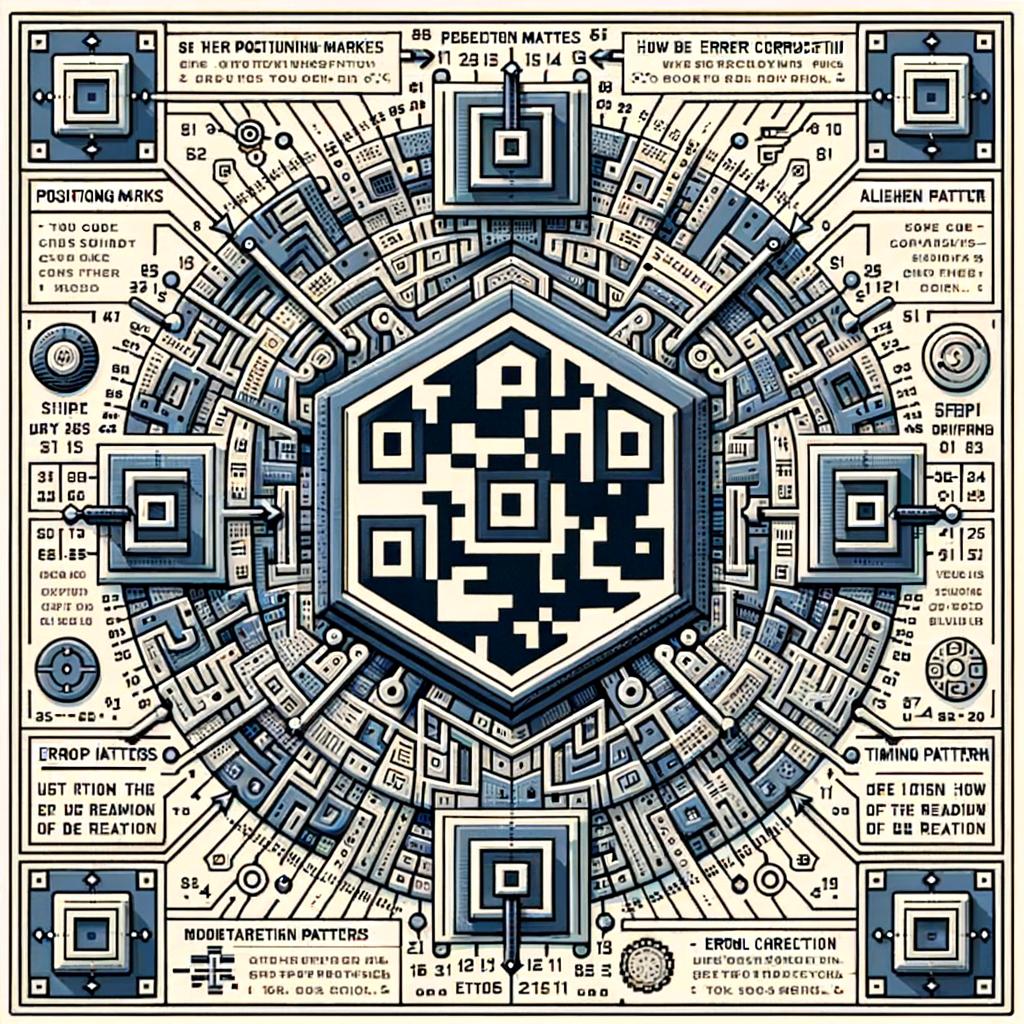
At their core, QR codes function as a type of matrix barcode, which can be scanned using cameras and specialized software to access encoded details. This information is typically a URL, but it can also include text, vCards, or other data formats. When a QR code is scanned, the device analyzes the patterns of black squares on a white background. These patterns correspond to binary data, which is then decoded by the scanning app to perform specific actions, such as opening a website or saving contact information.
The versatility of QR codes is one of their primary advantages. They can store a variety of information, including:
- Website links: Direct users to online content.
- Text messages: Display messages without needing further input.
- Contact details: Share vCard information for easy saving.
This capability makes them effective tools for businesses looking to facilitate customer interaction, as they eliminate the need for tedious manual input.
Moreover, the seamless integration of QR codes into mobile technology enhances their functionality. most smartphones today come equipped with cameras capable of scanning QR codes, along with built-in apps that recognize them without needing a separate download. This widespread accessibility allows consumers to engage directly with brands by simply scanning a code, which can lead to actions such as downloading an app, participating in surveys, or accessing promotional offers.As a result, QR codes not only simplify the consumer experience but also provide valuable analytics to businesses regarding engagement and usage patterns.
Real-World Applications: Enhancing Consumer Interaction Through QR Technology
QR codes have rapidly evolved beyond mere novelty items, finding vital roles in various industries, particularly in retail, hospitality, and marketing.Businesses are harnessing the power of QR codes to create seamless and engaging experiences for consumers.For instance, retailers use QR codes to provide instant access to product information, customer reviews, and promotional offers. This direct link enhances the shopping experience by allowing customers to make informed decisions without needing to navigate through cluttered display information.
In the hospitality sector, QR codes have revolutionized the way guests interact with services. Restaurants and hotels deploy QR codes on tables and in rooms, enabling customers to view menus, order food, or even check-in without physical contact. This technology not only streamlines operations but also responds to the increasing consumer demand for convenience and hygiene. The integration of QR codes into loyalty programs further personalizes customer interaction by allowing users to collect points or receive tailored promotions simply by scanning a code.
Moreover, marketing campaigns are leveraging QR codes to bridge the gap between offline and online engagement. By placing QR codes on print materials such as flyers, posters, and packaging, brands can direct consumers to interactive content, social media platforms, or exclusive deals, thus enhancing brand visibility. these codes facilitate easy tracking and analytics, enabling businesses to measure the effectiveness of their campaigns. As consumers become more familiar with scanning QR codes, the potential for creative and interactive marketing strategies continues to expand.
as we navigate an increasingly digital world, QR codes stand as a testament to the innovative ways we can enhance consumer interaction and streamline access to information. Initially conceived as a means to track automotive parts, these versatile codes have evolved into powerful digital tools that can bridge the gap between the physical and virtual realms. whether utilized for marketing campaigns, direct payments, or contactless interactions, QR codes offer businesses creative solutions to engage their audiences effectively. As technology continues to advance, understanding and harnessing the potential of QR codes will be pivotal for organizations looking to thrive in this fast-paced environment.The future of digital engagement is here, and it is indeed encoded in the simplicity of a QR code. By embracing this technology, businesses can not only enhance customer experiences but also foster deeper connections in our interconnected world.