
Understanding QR Codes: History and Evolution
The inception of QR codes dates back to 1994 when the Denso Wave company, a subsidiary of Toyota, developed this two-dimensional barcode technology. Initially designed to track automotive parts during the manufacturing process, QR codes provided an efficient way to store and retrieve large amounts of information quickly. Unlike traditional barcodes, which could only hold a limited number of characters, QR codes could encapsulate hundreds of alphanumeric characters, thereby enhancing inventory management and overall operational efficiency.
over the years, QR codes have evolved considerably, especially with the rise of smartphones. As mobile technology advanced, the utility of QR codes expanded beyond manufacturing. They began to permeate various sectors, including retail, marketing, and logistics. Businesses quickly recognized their potential for seamless interaction between physical and digital environments. Notably, QR codes became a popular tool for promoting products, facilitating payments, and engaging consumers through interactive marketing campaigns, enabling a more connected and engaging user experience.
The COVID-19 pandemic acted as a catalyst for the widespread adoption of QR codes as a contactless solution. Businesses adopted QR codes for menus, payment processing, and even safety information, further solidifying their role in everyday interactions. As consumers became increasingly familiar with scanning codes, their functionality continued to diversify, encompassing applications such as event check-ins, loyalty programs, and mobile ticketing. Today, QR codes are not just a technological novelty; they are an integral part of the digital engagement strategy for businesses across various industries.
how QR Codes Work: An In-Depth Look at Their Technology
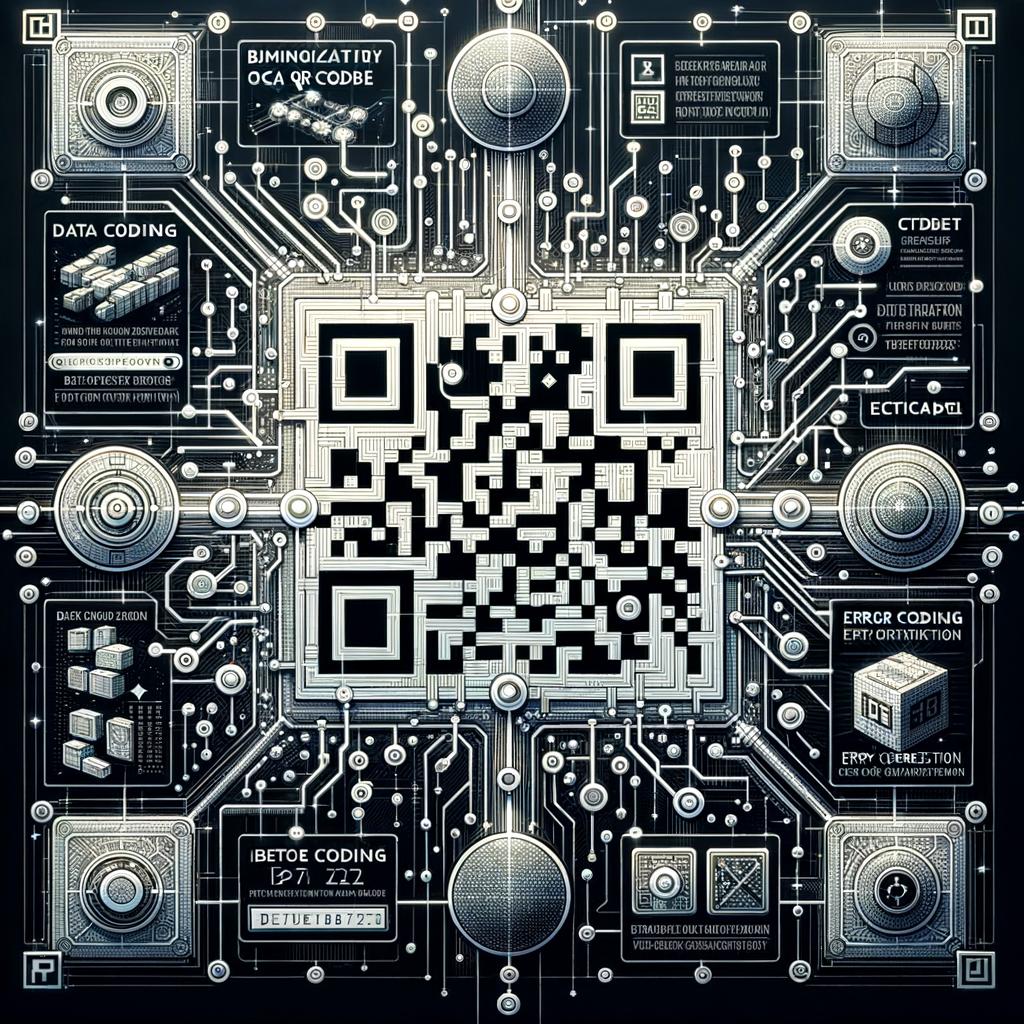
QR codes, short for Rapid Response codes, function as a two-dimensional barcode that can be easily scanned using a smartphone camera or a dedicated scanner. These codes encode information in a pattern of black squares arranged on a white grid, allowing for a range of data types, including URLs, text, and contact information.When a user scans a QR code, the embedded information is interpreted and presented on their device, providing instant access to content or services without the need for manual input.
At their core, QR codes utilize a series of standardized protocols that define how data is structured and read. The technology employs error correction algorithms to ensure that the information can still be retrieved accurately, even if part of the code is damaged or obscured. The level of error correction varies, allowing for versatility depending on the intended application. Additionally, QR codes can be generated in various sizes and configurations, accommodating different data capacities, which makes them versatile for both simple and complex uses.
The adoption of QR codes relies not only on their technological framework but also on the ease with which users can engage with them. Scanning a QR code typically involves opening a camera app or a specific scanning application, which makes them accessible to a broad audience. The integration of QR codes into marketing strategies has been significant, as they streamline consumer interaction with products and services, such as facilitating payments or providing additional product information.This seamless connection between offline and online platforms exemplifies how QR codes can enhance consumer engagement in an increasingly digital marketplace.
Practical Applications of QR Codes: From Marketing to Everyday Use
QR codes have emerged as a versatile tool in various sectors, providing businesses with innovative ways to engage with consumers. In the realm of marketing, they enable easy access to promotional materials and special offers. For instance, brands can place QR codes on packaging, advertisements, or even business cards, directing customers to landing pages that offer discounts or exclusive content. This seamless interaction creates a direct link between the physical and digital worlds, enhancing consumer experience and driving sales.
Along with marketing, QR codes are proving invaluable in the realm of education and training. Schools and institutions utilize them to enrich classroom experiences, allowing students to quickly access supplementary resources, such as videos, articles, or online quizzes. Educators can also employ QR codes to streamline administrative processes, such as attendance tracking, by linking codes to student profiles. This not only saves time but also strengthens the connection between traditional learning environments and digital platforms.
Moreover, everyday applications of QR codes continue to expand as contactless solutions gain popularity. Restaurants have adopted QR codes for digital menus, allowing patrons to view offerings on their smartphones without the need for physical menus, thereby enhancing hygiene and convenience. Similarly, healthcare establishments use QR codes to streamline patient check-ins and access medical records securely. From payments to personalized experiences, the practical applications of QR codes are transforming the way we interact with our surroundings, making them an essential tool in today’s digital age.
In a world increasingly driven by digital interaction, QR codes stand out as powerful tools bridging the gap between the physical and virtual realms. As we have explored throughout this guide, the functionality of QR codes extends far beyond simple scanning; they enable seamless access to information, facilitate contactless transactions, and enhance customer experiences in innovative ways. Understanding their origins, the technology behind them, and their diverse applications can empower businesses and consumers alike to harness this tool effectively. As we continue to navigate the evolving landscape of digital engagement, embracing the full potential of QR codes can unlock new avenues for connection and interaction. Whether you are a business owner seeking to enhance customer loyalty or a tech enthusiast curious about emerging digital trends, the future of QR codes promises to be a dynamic and integral part of our digital experience.Thank you for joining us on this journey to decode the transformative power of QR technology.