

Decoding Bitcoin Maximalism: Principles and Implications
In the rapidly evolving landscape of digital currencies, Bitcoin remains a controversial focal point, primarily due to the fervent ideology of Bitcoin maximalism. This belief system posits Bitcoin as the superior form of currency, asserting not only its primacy among cryptocurrencies but also its potential to replace customary fiat systems entirely. Advocates argue that Bitcoin’s decentralized nature, scarcity, and robust security protocols render it the ultimate solution to the flaws of existing financial infrastructures. However, this staunch allegiance spurs notable debate concerning the implications for innovation, competition, and regulatory frameworks within the broader cryptocurrency ecosystem. As bitcoin maximalism continues to gain traction, it raises critical questions about the future of digital currencies and the viability of alternative blockchain solutions. This article aims to dissect the core principles of Bitcoin maximalism,examining its roots,motivations,and potential ramifications for investors,technologists,and policymakers alike.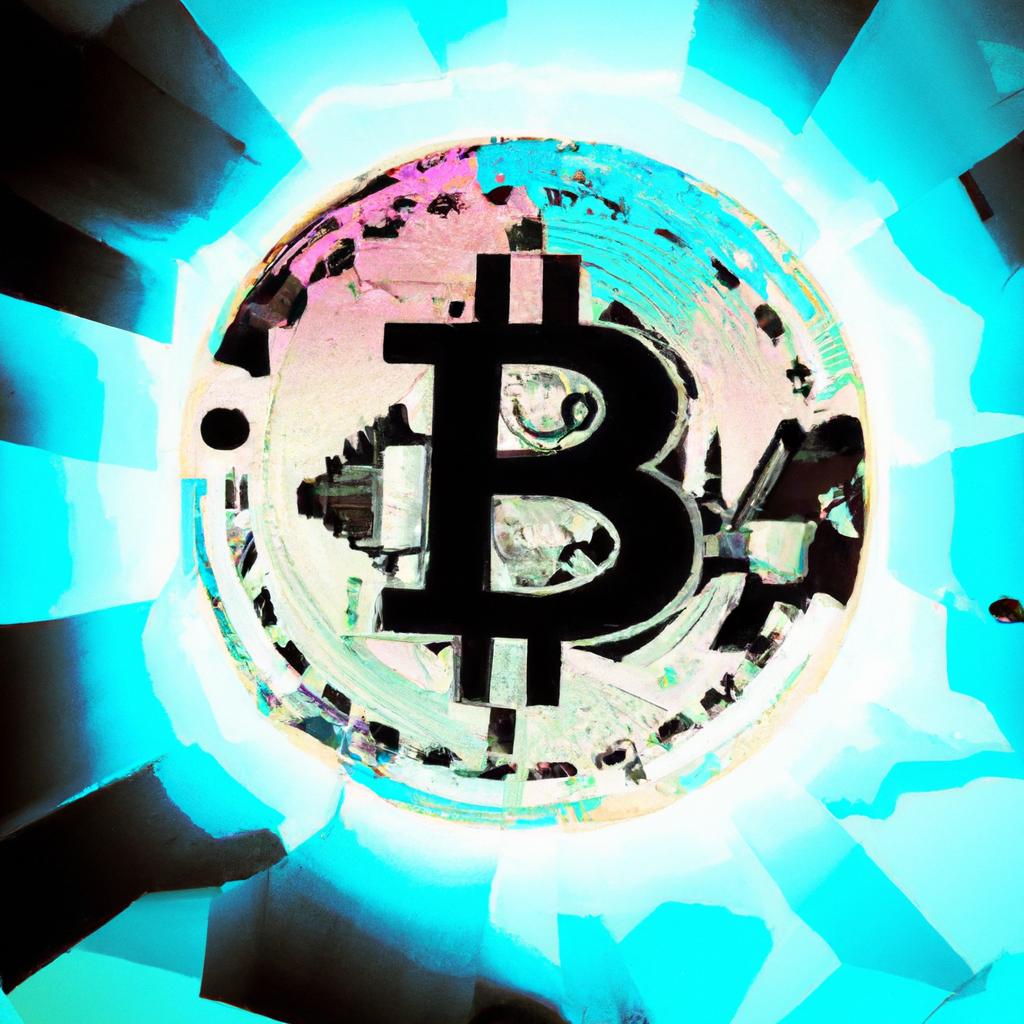
Understanding Bitcoin Maximalism and its Core Principles
Bitcoin Maximalism is a philosophy that advocates for bitcoin as the singular and most valuable cryptocurrency, frequently enough dismissing the importance of alternative coins (altcoins). This ideology stems from the belief that Bitcoin’s unique properties,such as being a decentralized digital currency,offer unparalleled advantages over other blockchain projects. Proponents argue that its network effect, where the value of Bitcoin increases as more users participate, guarantees its dominance and resilience in the evolving landscape of digital currencies.
At the core of Bitcoin Maximalism lie several basic principles:
- Decentralization: Emphasizes the removal of centralized control, ensuring that no single party can dictate the rules or manipulate the network.
- Security: Advocates for Bitcoin’s robust security model derived from its proof-of-work consensus mechanism, wich is considered less vulnerable to attacks compared to many new altcoin innovations.
- Scarcity: Highlights Bitcoin’s fixed supply of 21 million coins, which perhaps enhances its value akin to precious metals like gold.
- Monetary policy: Supports the deflationary nature of Bitcoin, where the issuance rate decreases over time, contrasting sharply with fiat currencies that can be printed at will.
Critics of Bitcoin Maximalism often raise concerns regarding the dismissive approach to other technologies that aim to improve on Bitcoin’s limitations, such as scalability and transaction speed. Tho,maximalists argue that thes projects frequently enough fail to demonstrate the same level of security and decentralization that Bitcoin provides. This intersection of skepticism spurs ongoing debates within the cryptocurrency community, fostering a better understanding of sustainable innovation versus speculative alternatives.
Furthermore, the implications of adopting Bitcoin Maximalism affect investor behavior and market dynamics significantly. Adherents may resist diversifying thier portfolios into altcoins, rather choosing to double down on Bitcoin during market downturns. This behavior can create microeconomic ripples as liquidity flows into Bitcoin, reinforcing its position as the leading cryptocurrency and affecting the valuation of its competitors. Consequently, while the philosophy may limit exposure to potential high-growth projects, it simultaneously fortifies Bitcoin’s market stature and long-term adoption.
Analyzing the Implications of Bitcoin Maximalism on the cryptocurrency Ecosystem
Bitcoin maximalism, the belief that Bitcoin is the only cryptocurrency that will ultimately succeed, presents significant implications for the broader cryptocurrency ecosystem.This outlook promotes the idea that all other cryptocurrencies are inferior to bitcoin,thereby creating a potential divide among various projects and communities within the space. As proponents of this philosophy champion Bitcoin, they often argue against altcoins, which could stifle innovation and discourage developers from exploring decentralized solutions outside of the bitcoin protocol.
One notable consequence of Bitcoin maximalism is the impact it has on market dynamics. As investment and attention gravitate towards Bitcoin,other projects may struggle to secure the necessary capital and resources for progress. This concentration of investment not only affects price volatility but also curtails competition that is essential for technological advancement in the field. Markets thrive on diversity,and the dominance of a single asset could led to stagnation,resulting in fewer breakthroughs that might otherwise come from altcoin experiments.
Moreover, the ideology can create an surroundings of hostility against projects that attempt to innovate or address issues that Bitcoin itself may have limitations in solving. Altcoins like Ethereum offer diffrent use cases, such as smart contracts and decentralized applications. By dismissing these projects as mere “copies,” bitcoin maximalists ignore the potential synergies that could emerge between various cryptocurrencies, hindering collaboration that can propel the ecosystem forward as a whole.A balanced perspective that appreciates the varied strengths of different coins could ultimately foster a more productive environment for all participants.
Bitcoin maximalism influences regulatory sentiment toward cryptocurrencies. Authorities may perceive the cryptocurrency landscape through the lens of Bitcoin alone, potentially shaping policies that are more beneficial to Bitcoin while neglecting the unique challenges posed by other digital assets. This one-dimensional approach could lead to regulatory frameworks that do not adequately address the multifaceted nature of the cryptocurrency market, complicating compliance and operational processes for projects that aim to innovate. Understanding the nuanced interplay between Bitcoin and the broader ecosystem is essential for shaping a regulatory environment that supports diverse innovation.
Exploring the Economic Arguments and Critiques Surrounding bitcoin Maximalism
Bitcoin maximalism posits that Bitcoin is the only cryptocurrency that will endure in the long run, serving as the foundational asset in the evolving digital economy. Proponents argue that, due to its first-mover advantage and established network effect, Bitcoin is positioned to be the default standard for value transfer in the decentralized world. This perspective is fortified by the notion that Bitcoin’s scarcity, governed by its halving schedule and capped supply of 21 million coins, provides an inherent value proposition that no other digital asset can replicate. Such arguments hinge heavily on Bitcoin’s robust security model and the extensive amount of computing power securing the network, which collectively underpin its reliability as a store of value.
However, critics of Bitcoin maximalism highlight significant economic arguments questioning the sustainability of this singular focus. Alternatives and innovations in the blockchain space, such as Ethereum or newer protocols with enhanced scalability and adaptability, could offer functionalities that Bitcoin does not. These critics emphasize the potential for multi-chain ecosystems, which can drive competition and innovation, ultimately benefiting consumers and businesses alike. Furthermore, the assertion that Bitcoin’s scarcity is a definitive advantage is challenged, as even Bitcoin is subject to market fluctuations driven by speculation, regulatory changes, and adoption rates—which can all substantially influence its value over time.
Moreover, there are economic critiques concerning the implications of Bitcoin maximum adoption on broader monetary systems. Should Bitcoin attain significant market penetration as a medium of exchange or reserve asset,it could impact the liquidity and responsiveness of monetary policy in traditional financial systems. Some argue that this could create instability,particularly in economies where Bitcoin is adopted widely without sufficient regulatory frameworks. Therefore, the question arises: can Bitcoin truly serve as a stable unit of account, or does its price volatility undermine its potential as a mainstream currency?
| Argument For Bitcoin Maximalism | Critiques of Bitcoin Maximalism |
|---|---|
| First-mover advantage | Emergence of competitive cryptocurrencies |
| Established security model | Potential for centralized alternatives |
| Scarcity as a value store | Market volatility and speculative risks |
| Network effect | Impacts on monetary systems and policies |
Strategic Recommendations for Investors in a Bitcoin Maximalist Paradigm
Investors navigating the landscape of Bitcoin maximalism should consider adopting a long-term investment strategy that prioritizes quality over quantity. This involves focusing on the core fundamentals of Bitcoin, including its scarcity, decentralization, and security. By prioritizing these attributes, investors can position themselves to benefit from Bitcoin’s potential as a digital store of value.To enhance investment decisions, individuals should:
- dive Deep into Research: Understand Bitcoin’s underpinnings, such as the technology behind blockchain and its economic principles.
- Monitor Regulatory Developments: Keep abreast of regulatory changes worldwide, as they can significantly influence Bitcoin’s market dynamics.
- Engage with the Community: Participate in forums and discussions to stay informed about market sentiment and innovations.
Asset allocation is a critical aspect of investing in a Bitcoin maximalist framework.Investors are encouraged to strategize their portfolio distribution, weighing Bitcoin against other asset classes. A balanced approach might include varying degrees of exposure to cryptocurrencies versus traditional assets to mitigate risks while capitalizing on Bitcoin’s growth potential. Consideration should be given to the following allocation methodologies:
| Asset Class | Recommended Allocation (%) |
|---|---|
| Bitcoin | 50-70 |
| Other Cryptocurrencies | 10-20 |
| Traditional Assets | 10-30 |
As Bitcoin continues to evolve, its role in the global economy grows.Investors should be prepared for market volatility and potential market corrections, recognizing that the path to mass adoption may not be linear. To shield investments against unpredictable market movements, reallocating assets to maintain strategic weight in Bitcoin while securing profit at peaks can be valuable. Key strategies include:
- Utilizing Stop-Loss Orders: Protecting against significant losses during price dips.
- Regular Portfolio Reviews: Adjusting allocations based on market conditions and personal financial goals.
- Diversification within Crypto: Investing in complementary blockchain technologies that support Bitcoin’s ecosystem.
emotional discipline cannot be overlooked in the Bitcoin investment landscape. The mental aspect of investing can influence decision-making, especially in a volatile environment. Investors are encouraged to develop a robust mental framework to guide their actions during market fluctuations. Techniques to maintain psychological resilience include:
- Setting Realistic Goals: Defining clear investment objectives to avoid impulse-driven decisions.
- Practicing Patience: Understanding that Bitcoin maximalism requires a long horizon for considerable rewards.
- Education as Empowerment: Continuous learning to enhance knowledge and confidence in decision-making.
Closing Remarks
the exploration of Bitcoin maximalism reveals a multifaceted ideology that extends beyond mere investment strategies; it embodies a philosophical commitment to the primacy of Bitcoin in the broader cryptocurrency landscape. As we decode its principles, we uncover a narrative driven by the belief that Bitcoin is not only a superior form of digital money but also a catalyst for societal change and financial sovereignty. The implications of this belief system are profound, influencing market dynamics, technological developments, and even regulatory discussions. As the crypto ecosystem continues to evolve, understanding the ethos of Bitcoin maximalism becomes crucial for stakeholders—ranging from investors and developers to policymakers. Moving forward, the dialog surrounding Bitcoin’s role in the future of finance will undoubtedly shape the trajectory of both the cryptocurrency market and the way society interacts with money in the digital age.