
The Principles and Mechanisms of the Nostr Protocol in Decentralized Communication
The Nostr protocol is grounded in several essential principles that enhance decentralized communication. First and foremost is user autonomy, which is facilitated through a lack of intermediaries. In traditional communication frameworks, platforms often act as gatekeepers, controlling the flow of details and access to features. In contrast, Nostr empowers users by granting them direct control over their data and the means they use to communicate. This autonomy encourages a more egalitarian form of interaction,where individuals can freely exchange ideas without structural constraints imposed by an overarching authority.
Another vital mechanism of the Nostr protocol is its censorship resistance. By design, the absence of moderators means that content cannot be arbitrarily removed or suppressed. This opens the door to a more diverse array of opinions and discussions that would typically be stifled in centralized environments. Furthermore, the decentralized nature of the architecture inherently mitigates the risk of single points of failure, rendering attempts at censorship less effective.Users can disseminate information widely, knowing that it remains intact across multiple nodes, which protects the sanctity of the dialog.
The principle of data ownership plays a significant role in the Nostr ecosystem.Unlike traditional platforms where user-generated content becomes the property of the service provider, Nostr allows users to retain their ownership rights over the information they create. This empowerment fosters trust and encourages more meaningful interactions,as users are less likely to worry about exploitation or data misuse. Moreover, the protocol’s architecture incorporates cryptographic elements that enhance privacy protections, ensuring that personal information remains secure while allowing users to engage in open and honest communication without fear of surveillance or unwanted interference.
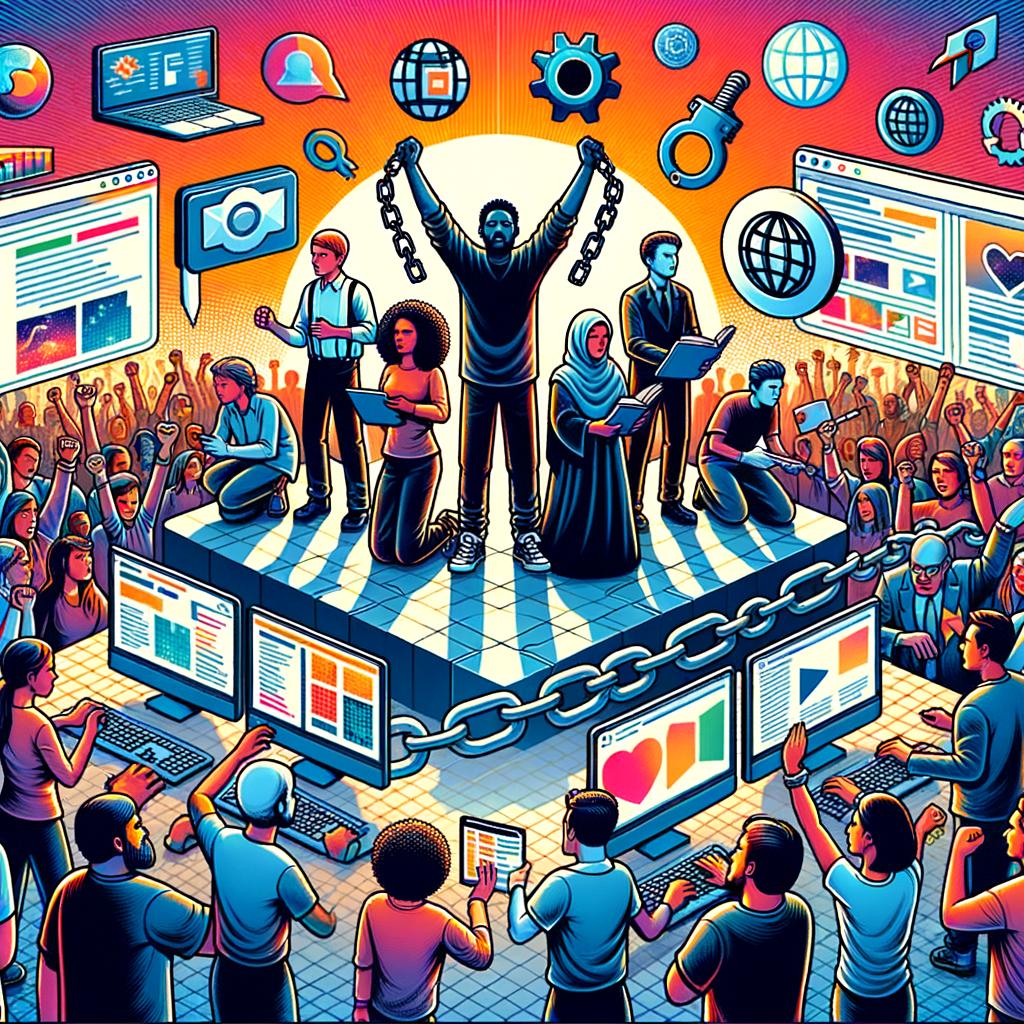
Censorship resistance and User Empowerment: Redefining Digital Interaction
The emergence of the Nostr protocol represents a significant development in the realm of digital interaction, notably in how users engage with content and each othre. By leveraging decentralization,Nostr dismantles the traditional models of content moderation that frequently enough lead to selective censorship. Without a central authority governing the flow of information, users are granted the freedom to express diverse viewpoints without the fear of suppression. This paradigm shift not only fosters a culture of openness but also encourages a more vibrant exchange of ideas that is essential for healthy discourse in the digital age.
Furthermore, the architecture of the Nostr protocol enhances user empowerment by allowing individuals to retain ownership of their data and communications. Instead of relinquishing control to corporations or third-party platforms, users utilize public and private keys to engage in transactions and share content. This model empowers users to dictate their online presence and manage their interactions according to personal preferences. As an inevitable result, the focus shifts from serving advertisers and corporations to prioritizing user sovereignty and autonomy.
The implications of this framework extend beyond mere freedom of speech; they also promote a value-for-value economy that incentivizes meaningful contributions within the community. By rewarding users for their engagement and content creation, Nostr cultivates an ecosystem where quality prevails over quantity. This fosters the emergence of niche communities that are driven by shared interests rather than algorithmically curated feeds. Consequently, the Nostr protocol not only challenges existing social media paradigms but also lays the groundwork for a more equitable digital landscape where users can interact on their terms, free from external manipulation.
Value-for-Value Participation: A Sustainable Model for Digital Engagement
The value-for-value participation model intrinsic to the Nostr protocol represents a significant shift in how digital platforms facilitate user engagement. By enabling direct compensation between users for the content they create and share, this approach incentivizes quality contributions while eliminating the reliance on traditional advertising revenues. Users benefit from a system where their input is directly valued, encouraging them to produce original and meaningful content without the constraints imposed by corporate interests or algorithms. This model inherently promotes an ecosystem where creativity and authenticity are rewarded.
Moreover,the decentralized nature of such a framework minimizes barriers to entry for new participants. Content creators, regardless of their status or following, are afforded the same potential to monetize their contributions, afterward democratizing the digital communication space. With the elimination of gatekeeping typically imposed by centralized platforms, a broader diversity of voices can emerge. This fosters an inclusive habitat that not only reflects varied perspectives but also encourages community-driven discourse, bolstering the overall richness of the dialogue.
the value-for-value model serves as a safeguard against censorship, as it does not hinge on the arbitrary decisions of centralized authorities. Users can engage freely, secure in the knowledge that their contributions are directly supported by their audience.Such a system reinforces the principles of autonomy and self-determination in digital communication, aligning with the fundamental ethos of decentralized networks. As communities grow and evolve within this new paradigm, the landscape of digital interaction is poised to witness profound transformations, driven by a user-centric approach that champions fairness and equity.
Future Implications of Decentralized Communication: Challenges and Opportunities for the Nostr Protocol
The Nostr protocol holds immense potential for revolutionizing digital communication, yet it also faces significant challenges that must be navigated to realize its full impact. One of the primary issues relates to user adoption. While decentralization offers significant benefits, transitioning users accustomed to traditional social media platforms can be arduous.The learning curve associated with decentralized protocols may deter mainstream users, particularly those who prioritize convenience and are unfamiliar with concepts of cryptographic keys and self-hosting.Additionally, lack of awareness about the advantages of decentralized systems can impede larger-scale adoption.
Another challenge lies in content moderation and information quality. with the elimination of centralized authority, the obligation for moderating content is shifted to the community and individual users. This decentralized approach can lead to an uninhibited environment where misinformation and harmful content proliferate.Establishing effective community norms and governance mechanisms will be crucial to maintaining dialogue quality and ensuring a safe space for users. However, achieving consensus on these standards might be complicated, as differing opinions can arise regarding what constitutes acceptable discourse.
Despite these challenges, the Nostr protocol presents considerable opportunities for innovation in the realm of digital communication. By enabling individuals to maintain control over their data and fostering peer-to-peer interactions, it encourages a culture of collaboration and knowledge-sharing. Furthermore, the implementation of a value-for-value model within its ecosystem could incentivize quality contributions, allowing users to support one another through financial rewards. This shift not only empowers creators but also nurtures a more resilient digital ecosystem that prioritizes user agency and self-determination. Embracing these opportunities may ultimately lead to a transformative evolution of how information is disseminated and consumed in the digital age.
the Nostr protocol represents a significant shift in the landscape of digital communication. By decentralizing the mechanisms of interaction and promoting a user-centric approach, Nostr not only mitigates the risks associated with censorship and centralized control but also facilitates a more equitable information exchange. The emphasis on community engagement and self-determined dialogue reflects a burgeoning paradigm where users play a pivotal role in shaping their online experiences.As we navigate the complexities of digital interaction in the contemporary era, protocols like Nostr may serve as vital instruments for fostering autonomy and empowering individuals in their communicative endeavors. The ramifications of such decentralized systems extend beyond mere technical innovations; they invite a broader discourse on the future of communication, governance, and the role of technology in society. As further developments unfold, continual examination of Nostr’s impact will be essential to understanding its potential to redefine the dynamics of digital discourse. Get Started With Nostr