

In recent years, cryptocurrency markets have become increasingly popular as a viable alternative investment option. The most well-known of all cryptocurrency markets is Bitcoin, which has experienced an explosive price growth since its inception in 2009. Despite the recent market volatility, many investors are interested in Bitcoin as a potential asset for long-term investment. In this article, we will analyze the various aspects of the cryptocurrency markets and provide insight into the question of whether it is possible to sell Bitcoin.
I. Overview of Cryptocurrency Markets
Cryptocurrency markets have grown significantly in recent years, with many have been attracted by the potential profits to be made from trading digital currencies. This section provides an overview of the current state of cryptocurrency markets, including the primary categories of traders, the main assets traded, and the rules and regulations that govern the markets.
Primary Categories of Traders: The primary categories of traders in the cryptocurrency markets are individual traders, institutional investors, and exchanges. Individual traders typically buy and sell digital assets for their own account, while institutional investors and exchanges typically provide liquidity and facilitate the actual trading of assets.
Main Assets Traded: The most widely traded digital assets in the cryptocurrency markets are Bitcoin, Ethereum, and Litecoin. Other digital assets, including Ripple, Dash, and Monero, are also traded but are not as widely accepted. Traders generally buy and sell digital assets in pairs against fiat currencies such as the US dollar, Euro, and Japanese Yen.
Rules and Regulations: Cryptocurrency markets are subject to various regulations depending on the jurisdiction. Generally speaking, most cryptocurrency exchanges are subject to traditional financial regulations, while others may be subject to varying degrees of regulation depending on the country they are operating in. It is important for traders to familiarize themselves with the local regulations that may apply to their activities.
II. What is Bitcoin?
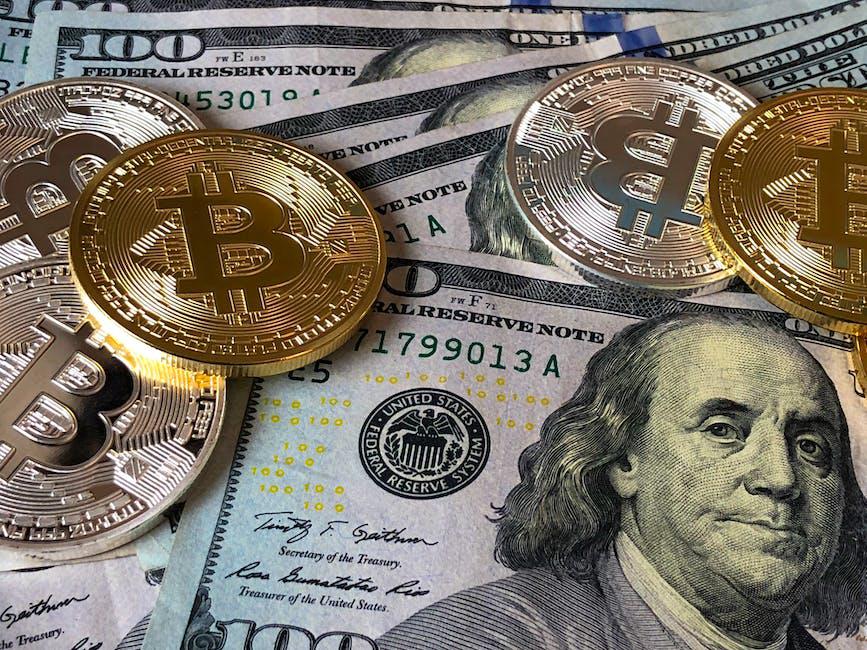
Bitcoin is a type of digital currency, created and held electronically. It isn’t physical, like paper money or coins, and is instead entirely virtual. Transactions using Bitcoin are made on a digital peer-to-peer network, rather than through banks or other financial institutions. This means that users of Bitcoin can:
- Send and receive payments quickly
- Control their money with no interference from intermediary officials
- Enjoy financial freedom
As a result, Bitcoin has become extremely popular worldwide, with a large number of people having accepted it as a reliable form of currency. It is based on a decentralized system, where all transactions are stored in the public ledger and tracked using the blockchain technology. This makes Bitcoin transactions secure, transparent and highly anonymous. Moreover, Bitcoin is also completely independent of governments and financial organizations, making it a great tool for international payments.
Another important benefit of Bitcoin is that it allows users to remain anonymous on the network. Since users’ identities are not tracked or divulged, this allows them to protect their financial information, keeping from any possible data breaches or fraudulent activities. Furthermore, Bitcoin can be used to purchase a wide range of goods and services online, making it a great way to make anonymous digital payments.
III. Can We Sell Bitcoin?
Yes, bitcoin can be sold. For individuals, this means that they can trade or exchange their bitcoin for currency, goods, or services accepted by the marketplace. The selling process tends to be straightforward, and fees or costs associated with the sale should be made clear to consumers. Investors seeking to move their bitcoin into fiat currency or gold have various options available to them.
One of the most popular methods of selling bitcoin is through cryptocurrency exchanges, such as Coinbase or Plus500. These exchanges are platforms that allow users to buy and sell digital currencies, such as bitcoin. By utilizing these exchanges, traders can exchange their coins for other cryptos, like Ethereum or Litecoin, or for traditional currencies, such as USD or GBP. In addition, traders can also use a traditional broker or online financial service to purchase or sell bitcoin.
Furthermore, there are some alternative ways to sell bitcoin as well. Platforms like LocalBitcoins and Paxful allow users to trade bitcoin directly with each other. This can be done in-person, or through a purchase made online. Additionally, peer-to-peer trading sites, such as Bisq, enable traders to buy or sell bitcoin with a wide variety of payment methods, such as PayPal and bank transfers. It is important to note that these methods may not offer the same level of security as exchanges.
In conclusion, cryptocurrency markets have become a volatile and unpredictable phenomenon with the rapid growth in cryptocurrency investments and the increasing market capitalization of many popular currencies. Given the uncertainty around the future of these markets, it is difficult to determine whether investors should buy or sell their holdings in the cryptocurrency markets. However, investors can follow research and take measures to protect themselves against the risks of investing in cryptocurrency markets.