

 DAN: Crypto fundraising has plummeted to 2020 lows in Q3 as the bear market takes its toll. Initial Coin Offerings (ICOs) and Security Token Offerings (STOs) have seen a sharp decline in the third quarter of 2020, with the total amount of funds raised dropping to $1.2 billion, according to data from TokenData. This is a significant decrease from the $3.4 billion raised in the second quarter of 2020 and the $7.8 billion raised in the first quarter.
The decline in crypto fundraising is largely attributed to the bear market that has been in effect since the beginning of the year. The bear market has caused a decrease in the prices of cryptocurrencies, making it difficult for projects to raise funds. Additionally, the uncertainty surrounding the regulatory landscape has caused investors to be more cautious when investing in crypto projects.
The decrease in crypto fundraising is also due to the fact that many projects have been unable to meet their fundraising goals. This is because investors are becoming more discerning when it comes to investing in crypto projects. They are looking for projects that have a solid business model and a clear roadmap for success.
Despite the decrease in crypto fundraising, there are still some projects that have been able to raise funds. For example, the decentralized finance (DeFi) sector has seen a surge in activity, with projects such as Aave and Compound raising millions of dollars in funding. Additionally, the non-fungible token (NFT) sector has also seen a surge in activity, with projects such as CryptoKitties and Decentraland raising millions of dollars in funding.
Overall, the decrease in crypto fundraising is a sign of the bear market taking its toll. However, there are still some projects that have been able to raise funds, indicating that the crypto market is still alive and well.
Crypto fundraising in the third quarter of 2020 has been hard hit by a bear market, official data reveals. According to the latest report from an industry think tank, total capital raised in crypto markets has plummeted back to 2020 levels. This comes after an unprecedented surge in the first and second quarters, with $4.2 billion and $3.2 billion raised in Q1 and Q2 respectively.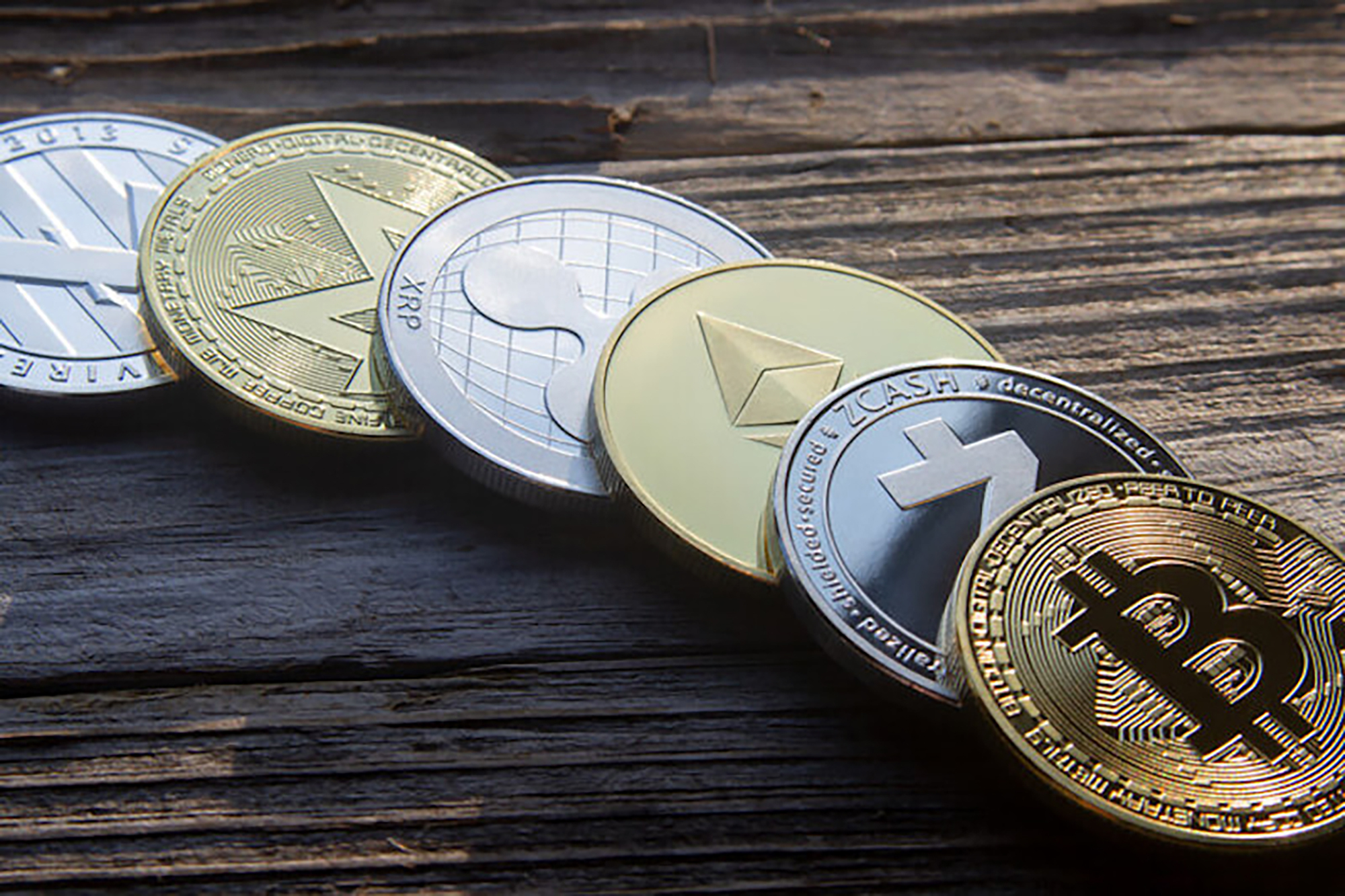
I. Crypto Fundraising Activity Slumps in Q3
Cryptocurrency fundraising activity decreased significantly in the third quarter of 2020, with venture capital focused on decentralized finance (DeFi) taking the biggest hit. Cryptocurrency funds, including those specializing in DeFi protocols, raised roughly $1 billion in the quarter, down from $2.8 billion in the preceding period.
DeFi and Crypto Venture Capital DeFi-focused venture capital funds had raised over $1 billion in the first half of the year, including $664 million in the second quarter. In the third quarter, however, these funds only raised $187 million, a drop of 72%. Crypto venture capital funds, which include both DeFi and non-DeFi projects, raised $820 million in the first half of 2020 and raised only $777 million between July and September.
ICO and Equity Investment Funds raised by the initial coin offering (ICO) market dropped drastically in Q3, with only $45 million raised in the quarter. This is compared with $555 million of funds raised in Q2. Equity investment in cryptocurrency projects, which had been steady in the first and second quarters, went from $194 million of capital commitments to just $8 million in the third quarter.
Outlook It is unclear if the current fundraising slump is a result of a cooling down in the market or of the macroeconomic uncertainty caused by the pandemic. However, given the sector’s continued upswing, it is likely that heightened investments will return if the market sentiment improves.
- DeFi focused venture capital raised only $187 million in Q3, compared to $664 million in Q2.
- Cryptocurrency funds, in total, raised $777 million in Q3 as compared to $820 million in Q2.
- ICO fundraising activity dropped from $555 million in Q2 to only $45 million in Q3.
- Equity investment commitments went from $194 million in Q2 to $8 million in Q3.
II. Bear Market Takes Toll on Investments
1. Financial Losses
Investing in the stock market carries risks no matter what the market conditions are, but investing during a bear market – when prices are falling and liquidity is drying out – can create especially tough financial losses. With market rates hitting historic lows due to the current pandemic situation, investors must prepare themselves for losses.
2. Emotional Stress
Investors in a bear market often go through emotional stress following the downturn. Many investors, especially inexperienced ones, may not have the information or experience to gauge market fluctuations and consequently struggle to decipher when to bail out. This may lead to an increased fear of future losses.
3. Necessity for Discipline
during a bear market, investors must remain calm and disciplined if they are to come out unscathed. Holding on to securities for too long without making an effort to attain the best possible prices may lead to further losses. Investors should also keep a close eye on price movements and adjust investments accordingly.
4. Reduced Liquidity
Investors in times of bear markets should also bear in mind that liquidity is likely to take a severe hit with market prices decreasing. This means that they may have to wait longer for transactions to be executed and face delay in receiving payments. Investors should therefore ensure that they have sufficient capital to cover costs while waiting to receive payments.
III. 2020 Levels Reached for Crypto Fundraising
This year saw a record-breaking surge in crypto fundraising, with the total funds raised through crypto-asset offerings reaching previously unheard of heights. A significant portion of the funds were raised through Initial Coin Offerings (ICOs), with close to a billion dollars raised in less than twelve months.
The success of cryptocurrency fundraising was further evidenced by the substantial increase in activity surrounding Security Token Offerings (STOs). In 2020, investments in STOs rose to nearly $4.2 billion, an impressive figure that reflects the proceeds from both private and public offerings.
The rise of Decentralized Finance (DeFi) was a central driver for the growth experienced in crypto fundraising. The popularity of DeFi protocols made them appealing for investors seeking a new way to access yield on their crypto investments, resulting in an increase in the number of Decentralized Autonomous Organizations (DAOs) seeking funding.
Notable Crypto Funds Raised in 2020
- MakerDAO – 250 million
- Compound – 133 million
- Aave – 107 million
- BlockFi – 100 million
- Nexo – 55 million
IV. Optimism Remains Despite Lackluster Performance
Stock markets have been volatile, with the current quarter showing lower than expected figures. Nevertheless, investors remain optimistic that an uptrend may develop in the short to medium-term.
Economic Trends
Despite the recent drop in market performance, economic trends still point to a positive long-term outlook. GDP is set to rise according to most forecasts. As the economy continues to recover from the pandemic, stock market figures are expected to rebound as well.
Favorable Timing
Experts point to the volatility in the current quarter as simply a symptom of the current juncture. The timing of the market downturn is considered favorable, since it allows investors to get in at a reduced rate, lowers the cost of transaction fees, and gives investors an opportunity to test their skills.
Maintaining Optimism
While current market conditions may be negative, investors are confident that a better market will soon emerge. Stock markets are historically cyclical, and investors are confident that focus and dedication can beget positive returns. Expert analysts are also maintaining high hopes for the medium-term outlook, citing the expected economic recovery as a sign of possible success.
- Recent drop in market performance was expected.
- Economic trends still point to a positive long-term outlook.
- Current downturn allows for favorable entry points and reduced fees.
- Analysts maintain high hopes for the near-term outlook.
Q3 was certainly a difficult time for crypto fundraisers, as the bear market pushed them down to the levels of 2020. But as the market begins to show signs of recovery, optimism has returned for the fundraising potential of this ever-evolving industry. Crypto may have had an unlucky third quarter, but with the right investments in place and an eye to the market’s movements, the industry could be set to rebound in the fourth quarter and beyond.