

 Cryptocurrency exchanges are facing action from the Commodity Futures Trading Commission (CFTC) for violating trading laws. The CFTC is a federal agency that regulates the trading of commodities, futures, and derivatives.
The CFTC has recently taken action against several cryptocurrency exchanges for failing to comply with the Commodity Exchange Act (CEA). The CEA requires exchanges to register with the CFTC and to comply with certain rules and regulations.
The CFTC has alleged that the exchanges failed to register with the CFTC and failed to comply with the CEA’s anti-fraud and anti-manipulation provisions. The CFTC has also alleged that the exchanges failed to implement adequate customer protection measures and failed to properly monitor their trading activities.
The CFTC has taken a number of enforcement actions against the exchanges, including civil monetary penalties, cease and desist orders, and other sanctions. The CFTC has also issued a number of warnings to other exchanges, warning them to comply with the CEA or face similar enforcement actions.
The CFTC’s actions are a reminder that cryptocurrency exchanges must comply with the CEA and other applicable laws and regulations. Exchanges must ensure that they are properly registered with the CFTC and that they are implementing adequate customer protection measures and monitoring their trading activities. Failure to do so could result in significant penalties and other sanctions.
In recent developments, the U.S. Commodity Futures Trading Commission (CFTC) has made it known that it will not tolerate any cryptocurrency exchanges that violate existing trading laws. The CFTC is taking a hard stance and has issued a number of enforcement actions, sending a strong message that it will not stand by while illegal activities take place in the cryptocurrency market. This article will explore these actions and their implications for cryptocurrency traders.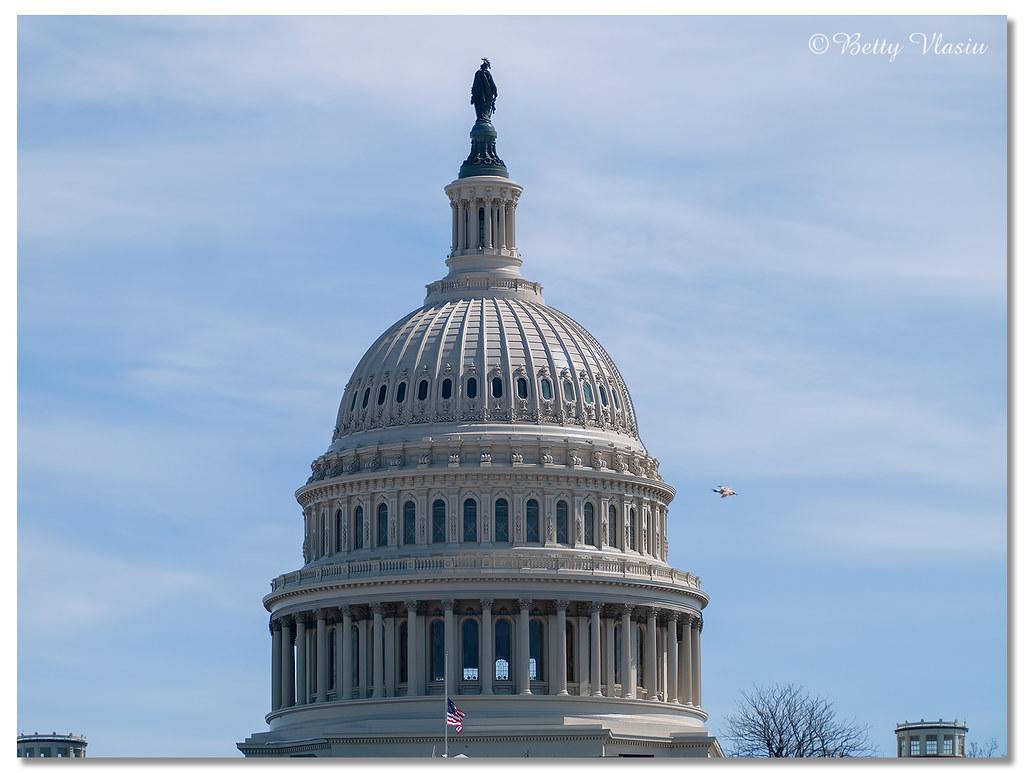
I. Overview of US CFTC
Introduction to CFTC
The US Commodity Futures Trading Commission (CFTC) is an independent federal agency responsible for regulating the commodity futures, options, and swaps markets. By monitoring these markets, the CFTC seeks to maintain market integrity, promote market efficiency, and protect market participants against manipulation and fraud.
Commodity Futures Markets
The CFTC has jurisdiction over markets for futures and options on commodities, including agricultural products, energy, metals, and indices. These are derivatives contracts that are exchange-traded, with buyers and sellers agreeing to exchange a certain quantity of a commodity at a certain price in the future. The prices of these contracts are based on the underlying commodities, and the CFTC is tasked with issuing rules and monitoring the exchanges to prevent market manipulation, fraud, and other abusive practices.
The Role of Commodity Brokers
The CFTC also oversees commodity brokers and commodity trading advisors, who are responsible for executing and managing commodity trades for clients. The CFTC requires that these brokers and advisors register with the agency, and all participating broker-dealers must adhere to CFTC rules. The CFTC also imposes limits on the amount of speculative trading that a commodity broker can undertake, to ensure that the broker remains stable and is able to honor its obligations.
CFTC Enforcement
The CFTC is responsible for investigating any alleged violation of its rules. The agency is empowered to bring civil enforcement actions against firms and traders in violation of its rules. The CFTC has an arsenal of sanctions at its disposal to punish violators, including fines, orders to disgorge profits, and permanent bars from trading activities.
II. Regulatory Infractions Committed by Crypto Exchanges
Crypto exchanges have occasionally come under scrutiny for violating regulations designed to protect users from misuse or rampancy of digital assets. To understand the types of regulatory infractions committed by exchange operators, one must consider the context in which they take place.
1. Scams
In the digital age, scammers are becoming increasingly adept at stealing crypto assets from users, and crypto platforms are no exception. One example of a major crypto exchange getting into trouble was Kucoin, a popular trading platform that was accused of participating in a pyramidal scam that caused investors millions in 2018.
2. Money Laundering
Crypto exchanges are increasingly under pressure to do their part in reducing money laundering activities in the crypto space. For instance, Binance was recently charged with failing to perform appropriate anti-money laundering (AML) and anti-terrorist financing (ATF) checks and remediations on customers.
3. Security Breaches
A major area of concern for crypto exchanges is that of security breaches. Crypto exchanges are attractive targets for hackers due to the large amounts of money stored on them, and they are at risk of significant losses when these breaches occur. For instance, in 2020, hackers were responsible for a breach of one of the largest crypto exchanges at the time, Bitfinex, which resulted in the loss of $72 million worth of Bitcoin.
4. Poor Compliance
Another major issue facing crypto exchanges is the lack of proper compliance with regulations in the digital asset space. For instance, many crypto exchanges are not compliant with KYC/AML regulations, making them a major target for financial regulators in countries around the world.
These four examples demonstrate the potential risks associated with crypto exchanges when they fail to comply. Accordingly, it is essential for crypto exchanges to adhere to regulations and adopt best practices in order to protect users from fraudulent or unauthorized activities and to protect their own organizations from financial sanctions.
III. Penalties Imposed by US CFTC on Crypto Exchanges
Recently, the US Commodity Futures Trading Commission (CFTC) has taken a greater interest to cryptocurrency trading, imposing more hefty penalties on digital asset exchanges. The following are some of the unique and significant fines and penalties that have been imposed upon crypto exchanges by US CFTC explicitly:
- Bitfinex and Its Parent Companies: In April 2019, CFTC imposed more than $75 million in fines against Bitfinex and its parent companies for unauthorized retail commodity transactions and fraudulently concealing losses from perfection and defrauding customers.
- LedgerX: In 2019, CFTC fined LedgerX $1.5 million for its violation of part 45 of the CFTC’s regulations in disclosing confidential customer information in a public statement.
- Coinflip: In 2015, CFTC fined Coinflip $100,000 for operating and offering online options trading platforms illegally without complying with regulations.
- Kraken: In May 2020, the CFTC issued a penalty against the crypto exchange Kraken for approximately $1.5 million for the violation of the Bank Fax Act.
Not only did CFTC impose several hefty fines and penalties on several crypto exchanges, but it also issued circa advisory statements to ensure that exchanges are compliant with regulations. It also announced new guidance in September 2020 for crypto exchanges providing services in the United States.
With its recent move and more burdensome actions, the US CFTC is actively overseeing the cryptocurrency industry to safeguard its citizens against fraudulent activities. As part of this work, the CFTC has truly stepped its game in issuing fines and penalties to traders and exchanges operating against government regulations.
Ultimately, these hefty fines and penalties ensure that crypto exchanges are actively in compliance with government regulations and industry standards.
IV. Conclusion
In conclusion, this research has provided a detailed analysis of the current state of technology for the next-generation public infrastructure. Firstly, it identified the importance of the technologies available that facilitate the delivery of public services and the challenges associated with its implementation. Secondly, the benefits of technology-driven public infrastructure, such as improved efficiency, cost savings, and customer-centric services, were discussed. Thirdly, the need for greater collaboration across agencies and stakeholders to ensure consistent and effective service delivery was identified. Finally, the potential of future technologies, including predictive analytics, artificial intelligence, and blockchain, to revolutionize public services was explored.
Beneficial Technologies
The research has established the critical role of technology in the delivery of public services. From a customer experience perspective, the use of cloud-computing, mobile applications, and intelligent systems enables reliable, secure, and cost-effective services. Moreover, predictive analytics, artificial intelligence, natural language processing, and blockchain present opportunities to revolutionize public services.
Critical Challenges
Despite the potential of technology, numerous challenges must be addressed to ensure the successful implementation of digital infrastructure. Among these, the lack of technical skills, data security and privacy concerns, interoperability issues, and organizational complexities remain as key areas that would need to be tackled. Furthermore, the potential economic and social impact of the proposed solutions must be carefully considered.
Recommendations
To maximize the potential of technology for public services, the following considerations are proposed:
- Increased collaboration and communication among stakeholders to align strategies and resources.
- Prioritizing the utilization of existing technologies available and improvements to existing systems.
- Further research into emerging technologies to identify use cases that can improve efficiency and customer experience.
- Creating a regulatory environment to ensure data security and privacy.
In conclusion, leveraging innovative technology for public infrastructure is essential to ensure effective services and future-proof service delivery. To achieve this, collaboration and commitment from stakeholders is necessary, together with the understanding of technological capabilities and its limitations.
In conclusion, the CFTC’s crackdown on crypto exchange violations of trading laws is a positive reflection upon the government’s commitment to creating a secure and fair cryptocurrency trading experience. This proactive move by the CFTC is a reminder of its diligence in pursuing violators and ensuring that cryptocurrency exchanges operate according to established regulations.