

Heading 1: Navigating the Nuances of Bitcoin Transactions: Exploring the Feasibility of Selling
Navigating the Nuances of Bitcoin Transactions: Exploring the Feasibility of Selling
Understanding the Mechanics of a Bitcoin Sale
Selling Bitcoin involves converting your digital assets into another currency, typically fiat currency (such as US dollars or euros). The process entails several steps, including finding a buyer, determining an exchange rate, and executing the transaction through a reputable exchange platform.
Choosing a Suitable Exchange
Selecting an appropriate exchange is crucial for a secure and efficient sale. Consider factors like fees, liquidity, and reputation when making your choice. Several reputable exchanges offer specialized services for Bitcoin transactions, providing competitive rates and secure platforms.
Determining the Exchange Rate
The exchange rate for Bitcoin fluctuates constantly based on supply and demand. It’s important to research current market conditions and compare rates offered by different exchanges to optimize your sale. Various platforms and tools provide live exchange rate updates, enabling you to make informed decisions.
Security Considerations
Selling Bitcoin involves handling significant financial value, so ensuring the security of your transaction is paramount. Choose exchanges with robust security measures, such as two-factor authentication and SSL encryption. Additionally, store your Bitcoin in a secure wallet or hardware device to mitigate the risk of theft or loss.
Exploring Additional Considerations
Factors like transaction fees, waiting times, and tax implications may impact your decision to sell Bitcoin. It’s advisable to research these aspects before proceeding with a sale and consult with financial or tax professionals if necessary. A thorough understanding of these considerations will facilitate a smoother and more informed selling process.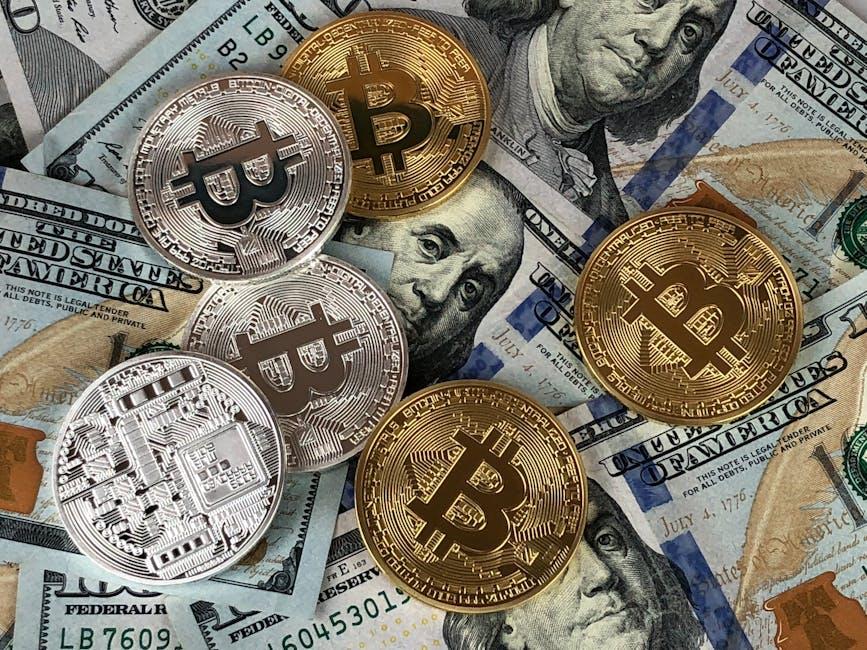
Heading 2: Delving into the Mechanics of Bitcoin Sales: understanding the Ecosystem and Market Dynamics
Delving into the Mechanics of Bitcoin Sales: Understanding the Ecosystem and Market Dynamics
Understanding the intricacies of Bitcoin sales requires delving into the ecosystem that facilitates the exchange and ownership of this digital currency. Within this ecosystem, various platforms and intermediaries play distinct roles in enabling transactions and shaping market dynamics.
Exchanges as Hubs of Liquidity:
Bitcoin exchanges serve as central marketplaces where buyers and sellers converge to execute transactions. These platforms provide a liquid environment by matching orders and facilitating trades efficiently. Prominent exchanges like Binance, Coinbase, and Kraken host a significant portion of global Bitcoin trading volume.
Peer-to-Peer Marketplaces and Private Transactions:
Beyond exchanges, peer-to-peer marketplaces and private transactions also contribute to Bitcoin sales. These alternative channels offer anonymity and flexibility, but often come with higher risk and lower volumes compared to exchanges.
Over-the-Counter (OTC) Desks:
For large-value transactions and institutional investors, Over-the-Counter (OTC) desks provide tailored services. OTC desks facilitate private, non-exchange-based dealings, offering confidentiality and customized pricing.
Market Dynamics and Volatility:
The Bitcoin market is known for its volatility, influenced by a complex interplay of factors. Media coverage, regulatory changes, technological advancements, and shifts in investor sentiment can all contribute to price fluctuations.
Factors Impacting Bitcoin Price:
Several factors can impact Bitcoin’s price, including:
Supply and Demand: Limited supply and increasing demand contribute to price appreciation.
Utility and Adoption: Expanding acceptance and use cases support long-term value growth.
Regulation and Policy: Government regulations can affect the industry’s growth and stability.
Macroeconomic Conditions: Broader economic factors, such as inflation and interest rates, can influence investor risk appetite.
* Technical Indicators and Market Sentiment: Technical analysis and trader psychology can provide insights into price movements.
Heading 3: Mastering the Art of Selling Bitcoin: Strategies for Maximizing Value and Minimizing Fees
Mastering the Art of Selling Bitcoin
Selling Bitcoin effectively requires a combination of market knowledge, strategic planning, and fee optimization techniques. For savvy investors seeking to maximize value and minimize expenses, understanding the nuances of Bitcoin selling is paramount.
Choose the Right Exchange
The first step in selling Bitcoin is selecting a reliable and reputable exchange. Consider factors such as transaction fees, trading volume, and security measures. Popular exchanges like Coinbase, Binance, and Kraken offer competitive fees and high liquidity, ensuring efficient execution of trades.
Set a Competitive Price
Determining the optimal selling price requires careful consideration of market trends and current supply and demand dynamics. Monitor price charts, analyze market sentiment, and consult with industry experts to gauge the optimal selling point. Setting a price that is too high may result in prolonged holding periods, while pricing too low can lead to undervaluing your Bitcoin.
Minimize Transaction Fees
Transaction fees can significantly impact your Bitcoin profits. To minimize these expenses, consider using a low-fee exchange, consolidating multiple transactions, and timing your sales to avoid peak network traffic. Some exchanges offer discounts for high-volume traders, so exploring these options can further reduce costs.
Consider Tax Implications
Depending on your jurisdiction, selling Bitcoin may trigger capital gains tax. It is crucial to consult a tax professional to determine your specific tax obligations and optimize your selling strategy accordingly. Staying informed about tax regulations will prevent unexpected liabilities and ensure compliance.
Protect Your Security
Prioritizing security is non-negotiable when selling Bitcoin. Use strong passwords, enable two-factor authentication, and store your Bitcoin in a secure hardware wallet. Be cautious of phishing scams and never share sensitive information with untrusted parties. By implementing these measures, you can safeguard your Bitcoin and conduct transactions with confidence.
navigating the complexities of selling Bitcoin requires a comprehensive understanding of the market, available platforms, security measures, and tax implications. By following the insights and strategies outlined in this guide, you can confidently execute Bitcoin sales, maximizing returns and minimizing risks. Remember to stay informed about market trends, conduct thorough research, and prioritize security to ensure a seamless and profitable Bitcoin selling experience.