

Vitalik Buterin, the co-founder of Ethereum, recently presented innovative solutions to address the challenges concerning Ethereum’s staking and block production processes. His proposals aim to enhance the efficiency and reliability of the Ethereum network, offering a glimpse into the future of blockchain technology. Join us as we delve into Buterin’s groundbreaking ideas and their potential impact on the evolution of Ethereum.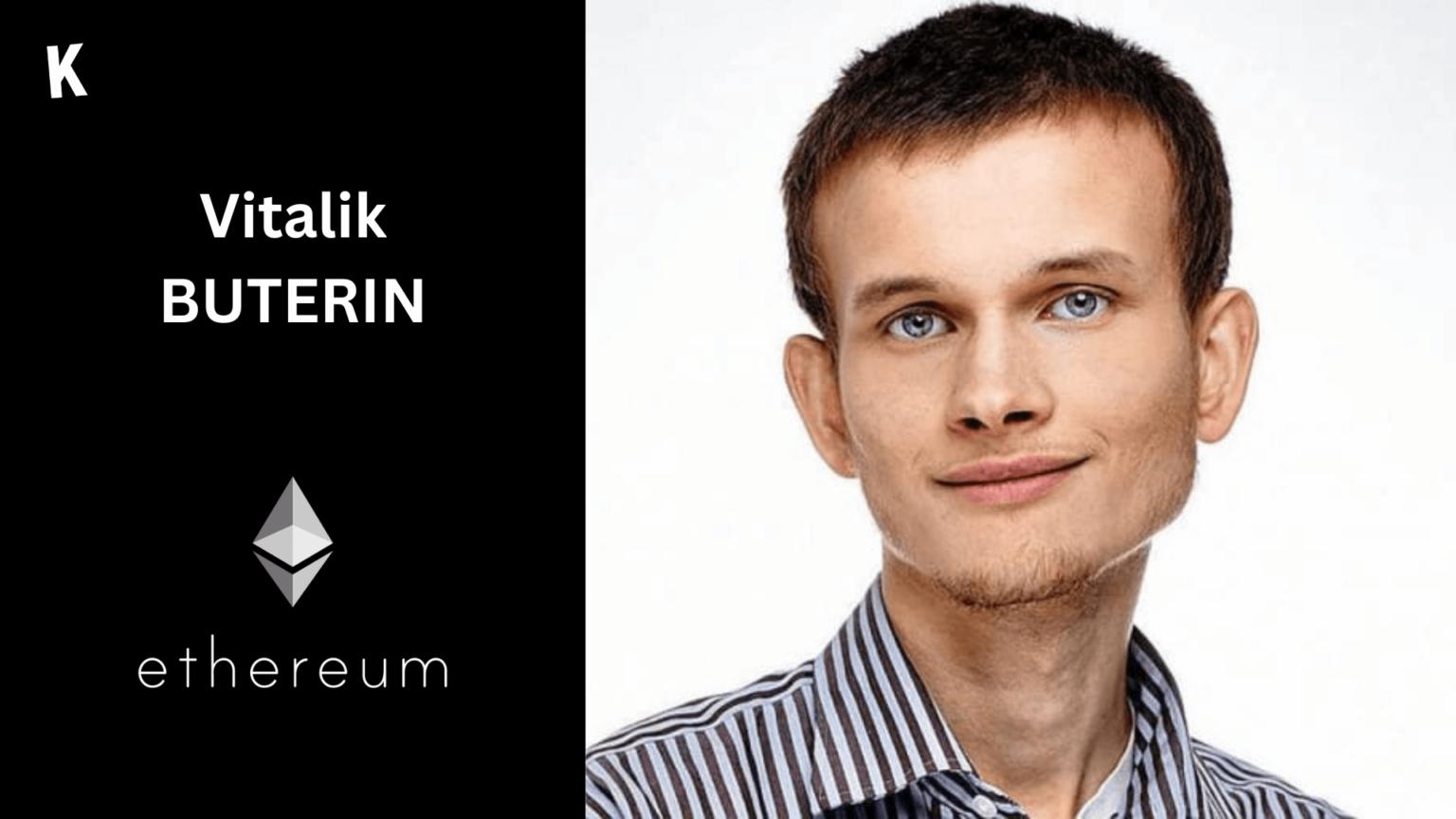
Vitalik Buterin Addresses Ethereums Staking Challenges
Vitalik Buterin, the co-founder of Ethereum, recently delved into the challenges surrounding Ethereum’s staking mechanism. As the blockchain platform transitions to Ethereum 2.0, staking has become a focal point for the community. Buterin highlighted several key issues that need to be addressed to ensure the success of Ethereum’s staking model.
One of the primary concerns raised by Buterin is the complexity of the staking process. Ethereum’s staking mechanism requires users to lock up a significant amount of Ether in order to participate, which can be daunting for many. Simplifying the staking process and making it more accessible to a wider audience is crucial for increasing participation and decentralization.
Moreover, Buterin emphasized the importance of security in the staking ecosystem. With the significant value at stake, ensuring robust security measures to protect users’ assets is paramount. Enhancing security protocols and implementing rigorous auditing processes are essential steps to mitigate risks and build trust among stakeholders.
Additionally, Buterin discussed the economic implications of Ethereum’s staking mechanism. He raised concerns about potential centralization risks associated with large staking pools dominating the network. Finding a balance between incentivizing participation and maintaining decentralization is a delicate challenge that Ethereum must navigate effectively.
Vitalik Buterin’s insights shed light on the complexities and nuances of Ethereum’s staking challenges. Adapting to these challenges through innovation, collaboration, and community engagement will be crucial for the long-term success and sustainability of Ethereum’s staking ecosystem.
Proposed Solutions to Enhance Block Production Efficiency
In the quest to bolster block production efficiency, various strategic solutions emerge to optimize blockchain networks. Implementing advanced consensus algorithms stands as a pivotal move to streamline block validation processes. By integrating algorithms such as Proof of Stake (PoS) or Delegated Proof of Stake (DPoS), network participants can contribute to block production based on their stakes or voting power, enhancing operational speed and scalability.
Furthermore, enhancing node communication protocols plays a crucial role in improving synchronization and data transmission among network nodes. By leveraging efficient communication channels and protocols like GRPC or WebSockets, nodes can relay block data swiftly, minimizing latency and ensuring real-time synchronization across the network.
Another key aspect lies in improving block propagation mechanisms to address latency challenges during block distribution. Implementing Graphene protocol, a block propagation optimization technique, can significantly reduce the time taken to distribute new blocks across the network, thereby boosting overall block production efficiency.
Additionally, scaling network infrastructure through the deployment of sharding techniques can partition the blockchain network into smaller, manageable subsets, allowing parallel processing of transactions and blocks. This approach enhances network throughput and reduces congestion, leading to improved block production efficiency and overall network performance.
Buterins Strategic Vision for Overcoming Ethereums Staking Hurdles
Vitalik Buterin, the co-founder of Ethereum, has unveiled his strategic vision aimed at addressing the challenges surrounding Ethereum’s staking process. With a keen focus on enhancing the scalability and efficiency of the Ethereum network, Buterin’s proposed solutions are poised to revolutionize the staking landscape.
Key elements of Buterin’s strategic vision include:
- Enhanced Staking Mechanisms: Buterin emphasizes the need for innovative staking mechanisms that streamline the process and make it more accessible to a wider audience.
- Improved Network Security: By bolstering the security protocols within the Ethereum network, Buterin aims to fortify its resilience against potential threats and attacks.
- Incentivizing Participation: To encourage greater participation in the staking ecosystem, Buterin proposes the introduction of incentives that reward users for actively engaging in the staking process.
Through these strategic initiatives, Buterin seeks to pave the way for a more robust and sustainable staking infrastructure within the Ethereum network, fostering growth, security, and innovation. Stay tuned for further developments as Ethereum continues to evolve under Buterin’s visionary leadership.
Insights from Buterins Recommendations on Improving Ethereums Network Operations
Vitalik Buterin, known for his visionary contributions to the blockchain space, recently shared valuable insights on enhancing Ethereum’s network operations. His recommendations focus on optimizing the efficiency and scalability of the Ethereum network, addressing critical challenges faced by the ecosystem.
One of Buterin’s key suggestions revolves around improving transaction speed through innovative technological solutions. By implementing advanced layer 2 scaling solutions, Ethereum can significantly enhance its transaction throughput, enabling faster and more cost-effective operations for users and developers alike.
Additionally, Buterin emphasizes the importance of enhancing network security to safeguard against potential vulnerabilities and attacks. By bolstering Ethereum’s security protocols and promoting secure coding practices, the network can fortify its defenses and ensure the integrity of transactions and data within the ecosystem.
Moreover, Buterin underscores the significance of sustainability in Ethereum’s network operations. By promoting energy-efficient consensus mechanisms and exploring eco-friendly alternatives, Ethereum can reduce its environmental impact and pave the way for a more sustainable future in the blockchain space. These insights from Buterin serve as a roadmap for driving continuous improvement and innovation within the Ethereum network, setting the stage for a more robust and resilient ecosystem.
Vitalik Buterin’s proposals to address Ethereum’s staking and block production challenges signify a pivotal moment in the evolution of the platform. With a keen focus on efficiency and scalability, Buterin’s visionary solutions have the potential to reshape the future of Ethereum’s network dynamics. As the community eagerly awaits the implementation of these innovative measures, the path towards a more robust and sustainable blockchain ecosystem appears clearer than ever. Stay tuned for further developments as Ethereum continues to pave the way for decentralized innovation and progress.