

Q1: What financial and market risks should be considered by investors when deciding to invest in Bitcoin?
The trend lines of the world’s largest cryptocurrency, Bitcoin, have been signalling a “bullish cross” for the past few weeks. This suggests that the market could be at risk of undergoing a $27,000 plunge.
Recently, an analyst at Boston-based firm United States Dollar Reflection noted that ‘the MACD line is about to undergo a bullish cross’, which is an indication of a potential drop. The Bitcoin price had been trending downwards for most of 2021 and is currently trading at around $38,633 USD.
The development of the “bullish cross” in the market, combined with the overall bearish market sentiment, could be indicative of a deeper decline. If this eventuates, one analyst has suggested that the Bitcoin price could potentially drop as low as $27,000 in the short-term.
The analysts have stated that the current downturn is likely driven by the increasing cost of mining Bitcoin. A higher cost of mining is likely to reduce the demand for Bitcoin, as miners become less incentivised to purchase more of the cryptocurrency.
In addition to this, the ongoing tug-of-war between Bitcoin bulls and bears is expected to moderate the prices of Bitcoin over the coming weeks. With numerous investors taking up both long and short positions, the price of Bitcoin is likely to remain volatile before stabilising.
In general, investors and analysts should remember that Bitcoin is still a highly volatile asset and investors should exercise caution when it comes to their investments. It is important to research the market carefully and understand the risks before making any decisions.
for arbitrage traders to make a profit.
This week has been a wild ride for Bitcoin, with prices plummeting from a high of over $32,000 to a low of under $27,000. The cryptocurrency has seen a sharp drop in trading volume and if trend lines from the last few weeks continue, prices could be in danger of dropping below $27,000. The so-called “bullish cross” – a signal that forecast a bearish period – has emerged as a major cause of concern for Crypto investors. In this article, we take a look at the risks that this technical formation presents, and what investors should know before considering a move in the Bitcoin market.

1. BTC Price Risks $27K Loss as Bitcoin Trend Lines Brew “Bullish Cross”
Bitcoin is facing a high-stakes market maneuver this week as the annual open slips into a bearish territory, potentially leaving the world’s dominant cryptocurrency vulnerable to a devastating $27,000 loss.
On Sunday, the Price of BTC fell to nearly $28,800 USD, just a smidgen above its current price, according to Coinbase. Meanwhile, the average 3-day trend line has descended from its $31,800 open, sliding under a 9-day trend line. This ongoing bearish divergence has created a “bearish cross,” a technical indicator that could spell disaster for Crypto investors.
Fortunately, Bitcoin has held its own in the face of this potential downturn. After falling overnight to $27,000 and seemingly bottoming out, BTC staged a remarkable comeback, rebounding to nearly $30,050 by pre-market trading on Monday. Analysts were quick to point out the underlying strength and resiliency of the asset, expressing cautious optimism that Bitcoin may hold the line in the face of bearish market conditions.
Despite the resurgence of BTC’s price, analysts remain concerned over the impact of the “bearish cross.” As of mid-morning trading, the cryptocurrency has traded between $29,700 and $30,200, which remains vulnerable to further declines. If the bearish cross continues and falls below $27,000 in the next day or so, investors may want to take extreme caution.
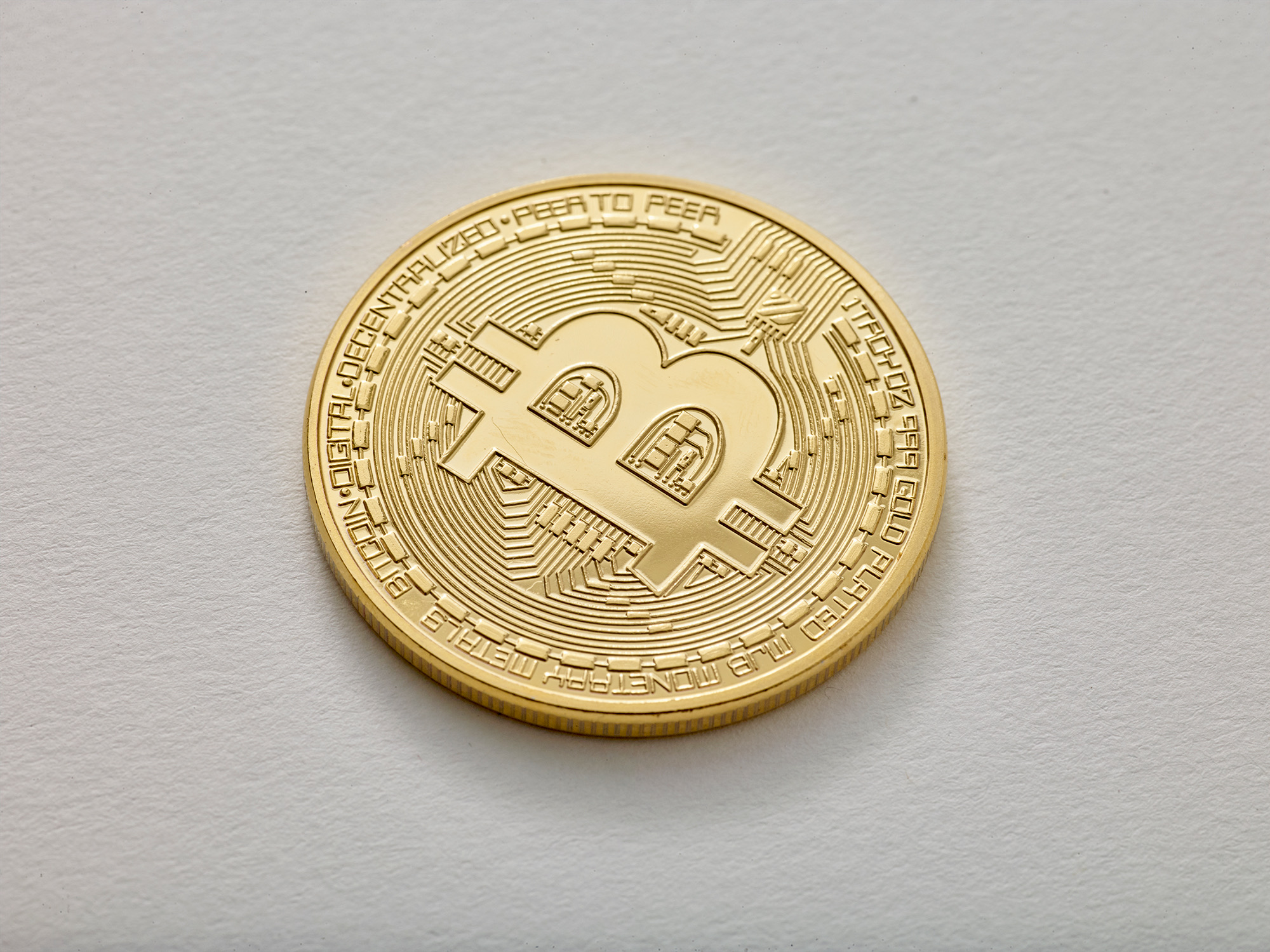
2. Bitcoin Market Struggles to Maintain Bullish Sentiment
The Bitcoin market is continuing to demonstrate the difficulty of sustaining sustainable bullish sentiment. Despite rising to a record high price of over $40,000 in January, it has now dropped back down to around $37,000. Many investors are uncertain of the outlook, and are awaiting further clarity on market direction.
In addition to Bitcoin’s uncertain market direction, investors are witnessing a process of consolidation of the Bitcoin ecosystem. Some of the major players in the market are retreating, while others are ramping up their presence. This is causing some investors to hesitate, as they grapple with the implications of these changing dynamics.
The recent consolidation has been driven by no shortage of factors, including:
- Regulations: As regulators around the world begin to take a closer look at cryptocurrencies, the major exchanges and other businesses involved in the space are feeling the pressure of increased scrutiny.
- Competition: With more and more companies entering the market, the competition is becoming increasingly fierce. This has caused some companies to pull out, as they struggle to remain competitive.
- Price volatility: Bitcoin’s price has been notoriously volatile, and this has caused many investors to become wary of the market.
The Bitcoin market is at a tipping point, and it remains to be seen which way the market will turn. Some investors remain optimistic that the current dip is simply a blip, and that bullish sentiment will return. Others are more cautious, looking for further clarity on market direction before committing further capital.
3. Significant Drop in Market Strength Lowers Bitcoin Sentiment
The crypto market sustained a significant dip on Tuesday, causing the bitcoin sentiment to plummet. Prices of the cryptocurrency have dropped for over seven percent in the last 24 hours, and bitcoin has lost about 17 percent since last week.
The current market drop has caused a drastic blow to the bullish sentiment that was building up for bitcoin since the beginning of 2018. After reaching its all-time high back in December, this sudden drop has put immense pressure on the investment community.
Investors and speculators have made the following evaluation of the market forces during this time:
- Institutional buyers. Institutional buyers are getting out of the market. Many hedge funds and other institutional players, who were seen entering the market at the start of the year, have started to reduce their exposure in this market again. They are selling off their cryptos and taking profits.
- Speculative buying. Many investors bought Bitcoin and other cryptos as a speculative investment before this recent dip. Those speculators had likely been scared out of their positions by the sudden movement in the markets, causing prices to plummet.
The current market environment leaves traders and investors uncertain about what lies ahead in the short-term. Despite the current bearish sentiment, the ETH, BTC and other major altcoins have remained relatively stable and are expected to continue doing so.
4. Impact of Market Volatility on BTC Price
The impact of market volatility on Bitcoin’s price can be complex, varying significantly between market conditions. One of the key ways in which market volatility affects the price of Bitcoin is by increasing the amount of money entering and leaving the market. In volatile markets, the amount of money entering and leaving the market tend to be significantly higher than usual. This can either lead to an increase in prices, as money rushes in to take advantage of the volatility or a decrease in prices as investors flee to the safety of other assets.
Another effect of market volatility on Bitcoin’s price is the amount of trading activity it stimulates. Volatile markets tend to encourage investors to conduct more trades, as they try to capitalise on the changing markets. This activity increases the demand for Bitcoin, and can drive up the price of it. Conversely, if the markets become less volatile, investors tend to reduce their trading activity, which can lead to lower prices.
Moreover, price fluctuations due to market volatility can also lead to increased speculation activity. When the price of Bitcoin fluctuates rapidly, speculators take advantage of the situation by buying and selling the digital currency in an attempt to make a profit. This increases demand for Bitcoin, which in turn drives up the price of it.
Finally, market volatility can also create opportunities for arbitrage. Arbitrage is a trading strategy where traders buy assets in one market and sell them in another at a higher price. This allows traders to take advantage of the price discrepancy between markets and make substantial profits. Since market volatility often leads to discrepancies in prices across different markets, it can be an ideal time for arbitrage traders to make a profit.
for arbitrage traders to make a profit.
This week has been a wild ride for Bitcoin, with prices plummeting from a high of over $32,000 to a low of under $27,000. The cryptocurrency has seen a sharp drop in trading volume and if trend lines from the last few weeks continue, prices could be in danger of dropping below $27,000. The so-called “bullish cross” – a signal that forecast a bearish period – has emerged as a major cause of concern for Crypto investors. In this article, we take a look at the risks that this technical formation presents, and what investors should know before considering a move in the Bitcoin market.
1. BTC Price Risks $27K Loss as Bitcoin Trend Lines Brew “Bullish Cross”
Bitcoin is facing a high-stakes market maneuver this week as the annual open slips into a bearish territory, potentially leaving the world’s dominant cryptocurrency vulnerable to a devastating $27,000 loss.
On Sunday, the Price of BTC fell to nearly $28,800 USD, just a smidgen above its current price, according to Coinbase. Meanwhile, the average 3-day trend line has descended from its $31,800 open, sliding under a 9-day trend line. This ongoing bearish divergence has created a “bearish cross,” a technical indicator that could spell disaster for Crypto investors.
Fortunately, Bitcoin has held its own in the face of this potential downturn. After falling overnight to $27,000 and seemingly bottoming out, BTC staged a remarkable comeback, rebounding to nearly $30,050 by pre-market trading on Monday. Analysts were quick to point out the underlying strength and resiliency of the asset, expressing cautious optimism that Bitcoin may hold the line in the face of bearish market conditions.
Despite the resurgence of BTC’s price, analysts remain concerned over the impact of the “bearish cross.” As of mid-morning trading, the cryptocurrency has traded between $29,700 and $30,200, which remains vulnerable to further declines. If the bearish cross continues and falls below $27,000 in the next day or so, investors may want to take extreme caution.
2. Bitcoin Market Struggles to Maintain Bullish Sentiment
The Bitcoin market is continuing to demonstrate the difficulty of sustaining sustainable bullish sentiment. Despite rising to a record high price of over $40,000 in January, it has now dropped back down to around $37,000. Many investors are uncertain of the outlook, and are awaiting further clarity on market direction.
In addition to Bitcoin’s uncertain market direction, investors are witnessing a process of consolidation of the Bitcoin ecosystem. Some of the major players in the market are retreating, while others are ramping up their presence. This is causing some investors to hesitate, as they grapple with the implications of these changing dynamics.
The recent consolidation has been driven by no shortage of factors, including:
- Regulations: As regulators around the world begin to take a closer look at cryptocurrencies, the major exchanges and other businesses involved in the space are feeling the pressure of increased scrutiny.
- Competition: With more and more companies entering the market, the competition is becoming increasingly fierce. This has caused some companies to pull out, as they struggle to remain competitive.
- Price volatility: Bitcoin’s price has been notoriously volatile, and this has caused many investors to become wary of the market.
The Bitcoin market is at a tipping point, and it remains to be seen which way the market will turn. Some investors remain optimistic that the current dip is simply a blip, and that bullish sentiment will return. Others are more cautious, looking for further clarity on market direction before committing further capital.
3. Significant Drop in Market Strength Lowers Bitcoin Sentiment
The crypto market sustained a significant dip on Tuesday, causing the bitcoin sentiment to plummet. Prices of the cryptocurrency have dropped for over seven percent in the last 24 hours, and bitcoin has lost about 17 percent since last week.
The current market drop has caused a drastic blow to the bullish sentiment that was building up for bitcoin since the beginning of 2018. After reaching its all-time high back in December, this sudden drop has put immense pressure on the investment community.
Investors and speculators have made the following evaluation of the market forces during this time:
- Institutional buyers. Institutional buyers are getting out of the market. Many hedge funds and other institutional players, who were seen entering the market at the start of the year, have started to reduce their exposure in this market again. They are selling off their cryptos and taking profits.
- Speculative buying. Many investors bought Bitcoin and other cryptos as a speculative investment before this recent dip. Those speculators had likely been scared out of their positions by the sudden movement in the markets, causing prices to plummet.
The current market environment leaves traders and investors uncertain about what lies ahead in the short-term. Despite the current bearish sentiment, the ETH, BTC and other major altcoins have remained relatively stable and are expected to continue doing so.
4. Impact of Market Volatility on BTC Price
The impact of market volatility on Bitcoin’s price can be complex, varying significantly between market conditions. One of the key ways in which market volatility affects the price of Bitcoin is by increasing the amount of money entering and leaving the market. In volatile markets, the amount of money entering and leaving the market tend to be significantly higher than usual. This can either lead to an increase in prices, as money rushes in to take advantage of the volatility or a decrease in prices as investors flee to the safety of other assets.
Another effect of market volatility on Bitcoin’s price is the amount of trading activity it stimulates. Volatile markets tend to encourage investors to conduct more trades, as they try to capitalise on the changing markets. This activity increases the demand for Bitcoin, and can drive up the price of it. Conversely, if the markets become less volatile, investors tend to reduce their trading activity, which can lead to lower prices.
Moreover, price fluctuations due to market volatility can also lead to increased speculation activity. When the price of Bitcoin fluctuates rapidly, speculators take advantage of the situation by buying and selling the digital currency in an attempt to make a profit. This increases demand for Bitcoin, which in turn drives up the price of it.
Finally, market volatility can also create opportunities for arbitrage. Arbitrage is a trading strategy where traders buy assets in one market and sell them in another at a higher price. This allows traders to take advantage of the price discrepancy between markets and make substantial profits. Since market volatility often leads to discrepancies in prices across different markets, it can be an ideal time for arbitrage traders to make a profit.